Cancer Technology Advancements
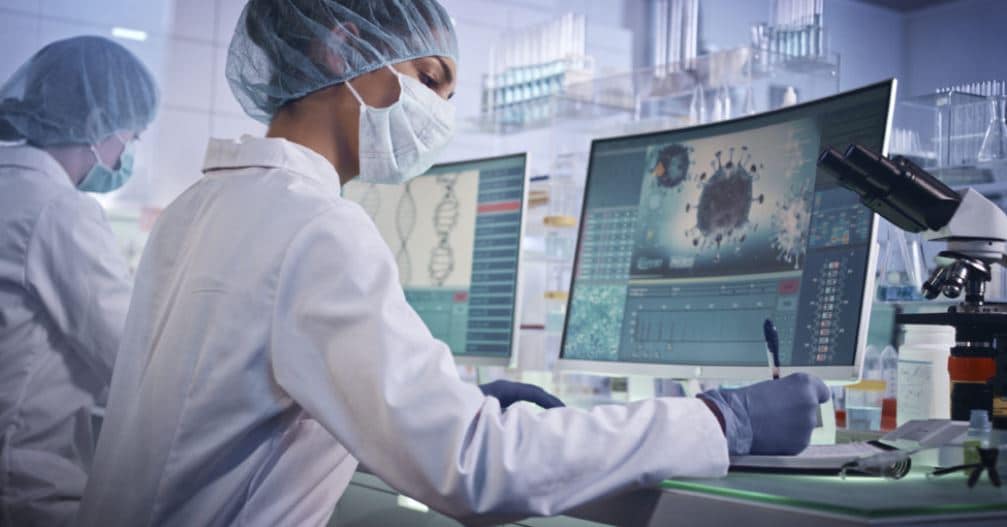
Curing cancer is one of the most significant problems and the challenges of the 21 Century. In the last two decades, our knowledge of cancer has improved vastly. This has also revealed that a large variability is present between patients with the same type of cancer and different cancer types. It is becoming increasingly apparent and evident that there won’t be a single cure present for cancer treatment. Instead, for each patient, treatment will vary according to their requirements and needs. However, to turn the theory into a medical reality, many therapies must cover the entire cancer spectrum.
There has been a rise of new methodologies to help the immune systems identify tumors and attack them; this field is called immuno-oncology. We can make a huge difference in treating varied types of cancer through these technologies, taking us a step closer to the disease’s ideal cure.
Fluid Biopsy

Re-biopsies are required multiple times throughout the treatment of cancer. This essentially means that a new sample of the constantly-mutating tumor must be taken to determine the therapy’s next decisions and steps. It is a massive challenge for both caregivers and patients with current fluid biopsy techniques. Cancer cells are extracted from simple blood samples in a liquid biopsy. The DNA sequencer giant Illumina has announced a spin-off that is focused solely on allowing fluid biopsy to be commercially feasible, which can be the next big event in oncology.
Real-Time Cancer Diagnostics

Zoltan Takats at Imperial College of London developed an intelligent surgical knife (iKnife) that works by utilizing an older technology in which electric current is used for minimal blood loss while making incisions. But with iKnife, vaporized smoke is examined with a mass spectrometer to discern chemicals present in the biological sample. This can allow for real-time recognition of malignment tissue. This knife can also significantly reduce the length of an oncology operation, making it favorable for surgeons.
Understanding The Causes Of Diseases
Getting a clear view of the environmental and genetic factors that can lead to different types of cancer, together with a patient’s genetic makeup, could catch cancer in its infancy state. Process innovation in healthcare is also necessary, and more acceptable screening technologies assist more specific and precise cancer biomarkers. Cancer Grand challenge by Cancer Research UK promotes researchers to unearth previously unknown carcinogenic events, making this trend closer to reality step by step.