Contents
PocketGuard: Keeping Spending In Check

PocketGuard offers an easy and straightforward way to manage your money and keep your spending in check. Its standout feature, the “In My Pocket” tool, helps users determine how much they can safely spend after accounting for bills, goals, and necessities, providing a clear picture of disposable income.
Despite its user-friendly approach, PocketGuard may not be suitable for everyone. It lacks certain advanced features, such as detailed investment tracking or extensive customizable budgeting. However, for those seeking simplicity and clear insights into their daily spending allowance, PocketGuard is an excellent choice.
Goodbudget: Modern Envelope Budgeting
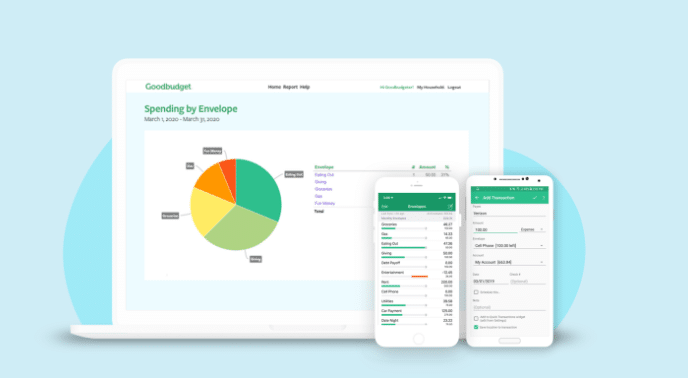
Goodbudget uses a modern interpretation of the traditional envelope budgeting system where you allocate money to different “envelopes” for each spending category. This app syncs across multiple devices, making sharing and managing household budgets with family members easy.
While Goodbudget offers a unique way to visualize and control your spending, it doesn’t automatically sync with your bank accounts or credit cards, so you must manually enter all transactions. Despite this, if you prefer the envelope method of budgeting and don’t mind a bit of manual data entry, Goodbudget can be a solid choice.
Personal Capital: Beyond Budgeting
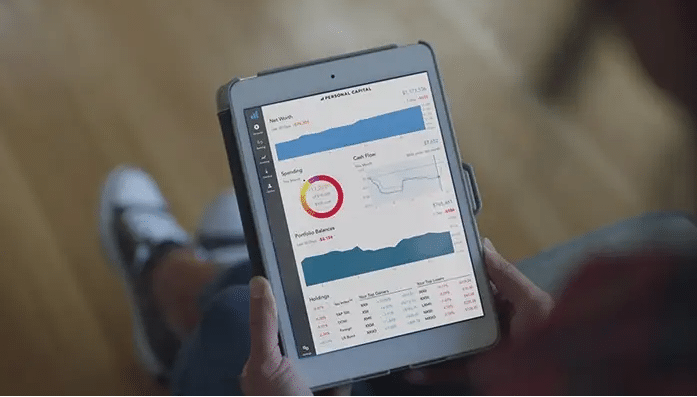
Personal Capital takes budgeting to a new level by focusing on long-term financial planning. Along with tracking daily spending and budgets, it offers retirement planning, investing, and wealth management tools. It’s ideal for users who want a comprehensive view of their financial health and future.
However, the advanced features of Personal Capital can be a bit overwhelming for users seeking a simple budgeting tool. Its emphasis on investment analysis and wealth management may not be necessary for those looking to track daily expenses. But for those interested in a holistic financial platform, Personal Capital is a valuable resource.
EveryDollar: Budgeting With A Purpose
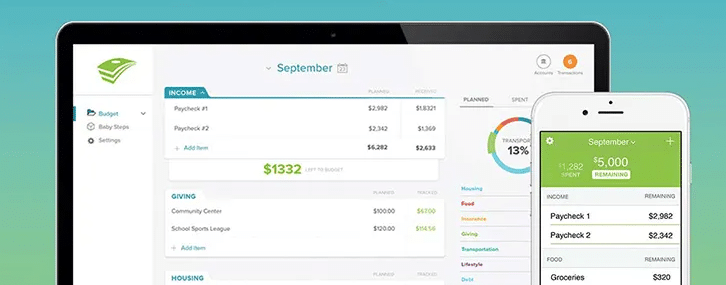
EveryDollar, developed by personal finance guru Dave Ramsey, utilizes the zero-based budgeting philosophy. This means every dollar of income you have is assigned a purpose, whether spending, saving, or investing.
The main drawback of EveryDollar is that you must upgrade to the paid version to have automatic transaction import. The free version requires manual entry of transactions. Yet, for those who are committed to the zero-based budgeting system and seek a structured approach to their finances, EveryDollar is a compelling choice.
Wally: Simplified Budgeting
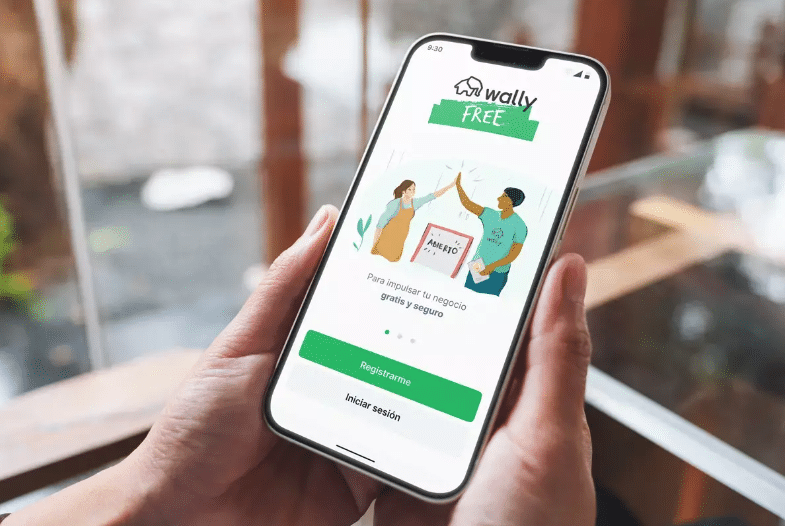
Wally aims to simplify the budgeting process with its user-friendly interface and features. It offers expense tracking, budgeting tools, and insights to help users manage their finances effectively. One standout feature is its international usage capabilities, supporting various currencies and financial institutions.
Like some other apps, Wally requires a manual entry for tracking expenses which could be a drawback for some users. Despite this, if you’re looking for a simple and intuitive budgeting tool with international capabilities, Wally is worth considering.
The Bottom Line
Budgeting apps have made money management easier and more efficient in personal finance. Choosing the right app, however, depends largely on individual needs and preferences. While Mint offers a wide range of tools for comprehensive financial management, YNAB encourages a more active approach to budgeting. Apps like PocketGuard and Goodbudget offer simplicity and visualization, respectively, whereas Personal Capital goes beyond budgeting to provide investment insights. Regardless of your financial goals, one of these top budgeting apps for iOS can undoubtedly assist you on your journey to better financial health. So, consider your unique needs, explore these options, and take control of your finances today.