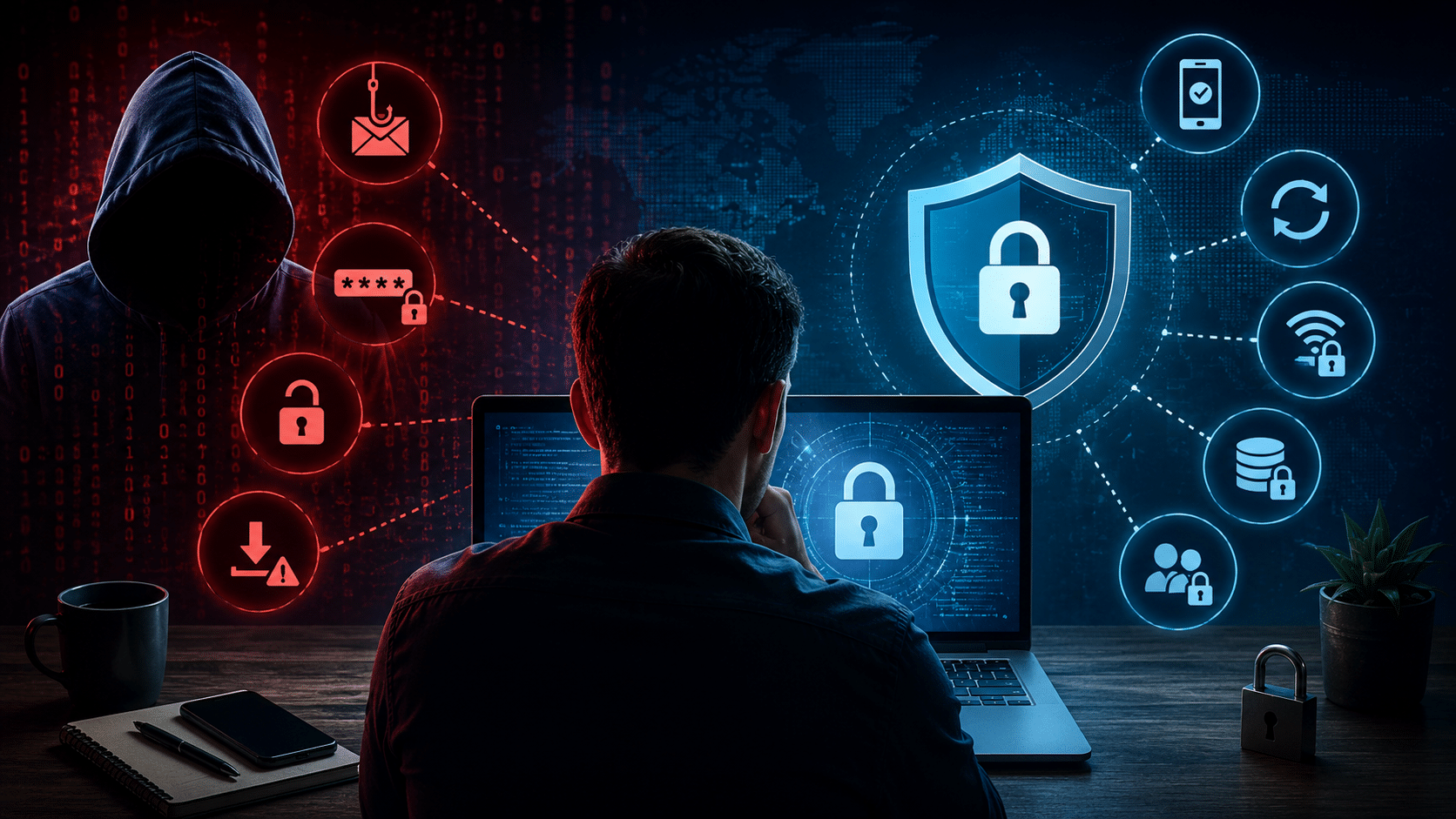
Be Wary of Phishing Scams

Phishing scams are widespread ways for hackers to access your personal information. These scams usually involve receiving an email or text message from a trusted source, such as your bank or credit card company, asking you to verify your account information. However, the link in the email leads to a website that looks like the real thing but is fake. The scammer’s goal is to get you to enter your personal information on this website so they can steal it. To protect yourself from phishing scams, be sure to always check the URL before entering any personal information into a form. If something seems suspicious, do not enter any information and contact the company directly.
Use An Antivirus Software

As we mentioned earlier, it’s essential to install antivirus software on your computer and keep it up-to-date. This software can help protect you from malware and spyware, as well as other types of viruses. Antivirus software can also protect your computer from being hacked. There are many different antivirus programs available, so be sure to choose one that fits your needs. Some good ones are Norton, McAfee, and Bitdefender.
Backup Your Data

One of the best ways to protect yourself from a data loss or ransomware attack is regularly backing up your files. If your computer is infected with ransomware, for example, you can restore all of your files from the backup. This will allow you to get back up and run quickly without paying the ransom fee. To ensure that your backups are safe, be sure to store them in a separate location, such as a hard drive or cloud storage service.
Update Your Software

One of the easiest ways for hackers to gain access to your computer is by exploiting outdated software vulnerabilities. That’s why it’s essential to always keep your software up-to-date by installing all available updates. Many software programs will automatically update themselves, but you may need to update some applications manually. You can check for updates by going to the program’s website or opening the application and clicking on “Help” or “About.” This also goes for your operating system and web browser. Also, make sure your phone’s operating system is up-to-date.
Be Careful What You Download

It’s essential to be careful about what you download online, as many malicious files are disguised as harmless programs. Hackers often use malware and spyware to steal personal information, so it’s best not to take any chances. Only download files from reputable websites and make sure that the file extension matches the type of file that it is supposed to be. For example, .exe files are usually executables, while .pdf files are typically PDF documents.
Conclusion
Be safe and stay informed! Hackers are increasingly becoming more sophisticated in their methods, so it’s essential to take steps to protect yourself from them. One of the best ways to do this is by using reputable antivirus software and keeping it updated. It would help if you also created strong passwords for all your online accounts and never used the same password for more than one account. Be wary of phishing scams, one of the most common ways for hackers to access your personal information.