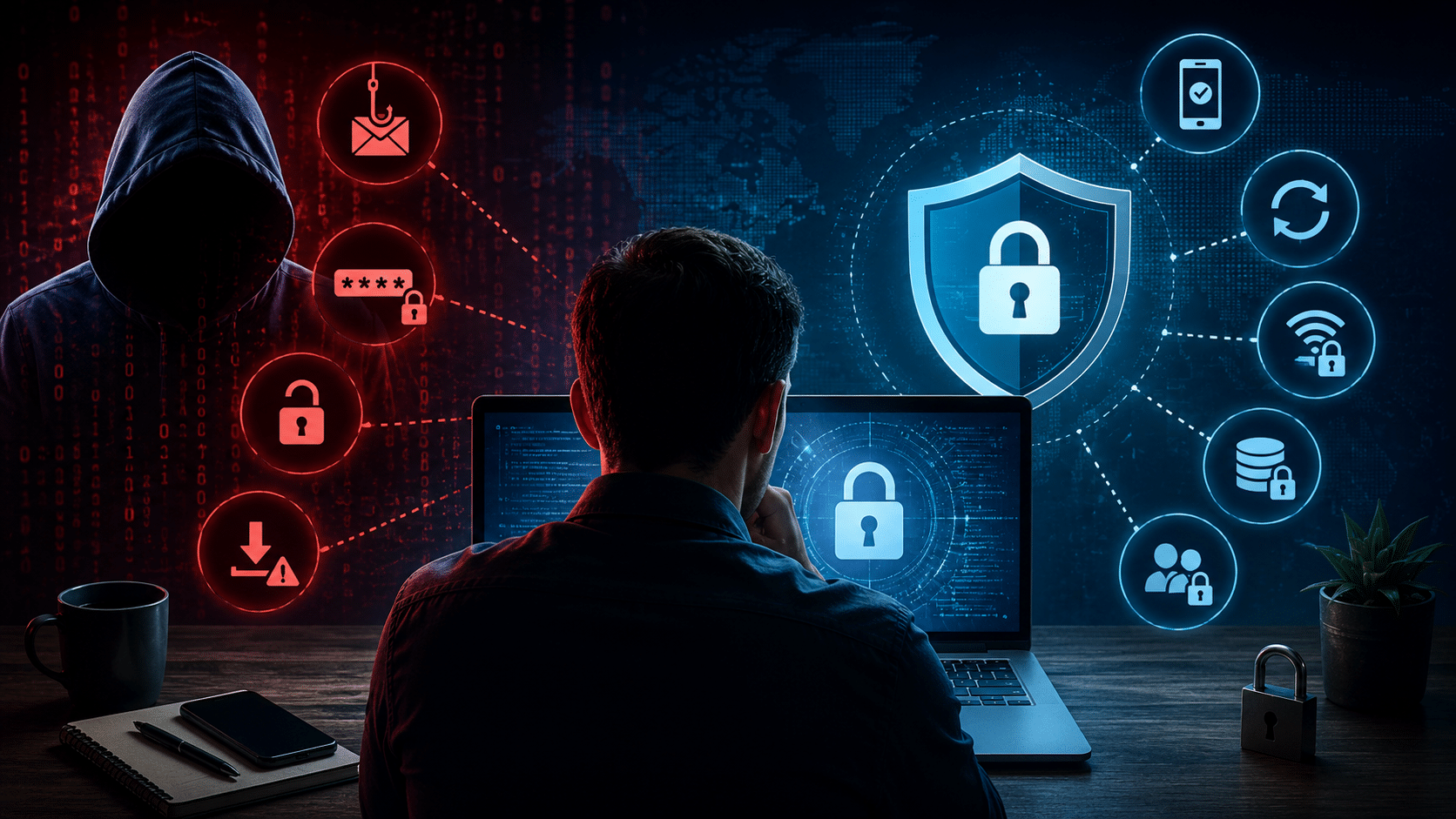
There’s no question that the internet has made our lives easier in many ways. We can now shop, bank, and communicate with people worldwide with just a few clicks of a mouse. However, with great convenience comes significant risk. Hackers are always looking for new ways to exploit unsuspecting computer users, so it’s essential to take steps to protect yourself from these criminals. This article will discuss some tips to help you stay safe online.
Avoid Using Public Wi-Fi

One of the quickest ways for hackers to gain access to your personal information is by using public Wi-Fi. Wi-Fi hotspots are in many places, including airports, coffee shops, and hotels. This is because these networks are not secured, which means anyone can see what you’re doing online. A hacker could be sitting in the coffee shop next to you, stealing your passwords and credit card information. If you have to use a public Wi-Fi network, be sure to use a VPN (a virtual private network) to make sure your data is safe.
Use Multi-Factor Authentication

You can make your online accounts more secure by enabling multi-factor or two-factor authentication on as many of them as possible. This is arguably one of the best ways to protect yourself from hackers, as it requires two forms of identification before you can log in. One is your regular username and password, and the other is a unique code sent to your phone or email address. This code changes periodically, so even if a hacker manages to steal your login information, they won’t be able to access your account without the unique code.
Be Careful What You Click On

Another easy and quick way for hackers to access your computer is by tricking you into downloading malware or spyware. Hackers can do this by clicking on a link in an email, opening an attachment, or visiting a website that is not reputable. To protect yourself, it’s essential to be cautious about what you click on and only open attachments from people you know and trust. You should also install antivirus software on your computer and keep it up-to-date.
Encrypt Everything

If you want to take your online security to the next level, consider encrypting all of your data. This means that even if a hacker manages to steal your information, they will not be able to read it. You should encrypt data such as your email, documents, and even your pictures. You will need to use special software or an encryption service to do this. There are plenty of software programs that can do this, so be sure to research the best one for you. Remember that encrypting your data can be time-consuming and sometimes cause compatibility issues with specific programs.
Create Strong Passwords

It’s essential to create strong passwords for all of your online accounts. A strong password should be at least eight to ten characters long and include a mix of letters, numbers, and symbols. You should also never use the same password for more than one account. It would help if you aimed for a unique and challenging password to crack. If you have trouble coming up with strong passwords, there are many online password generators available that can help you create something challenging to guess.