Contents
Creativity
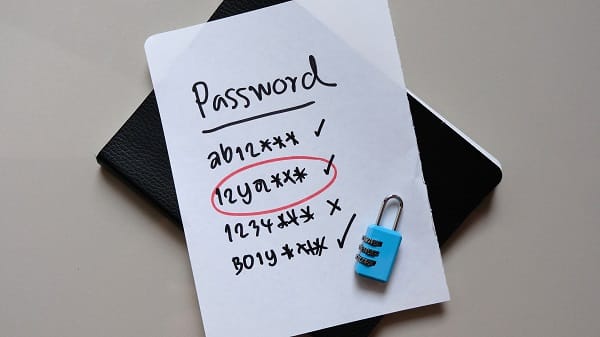
Odds are you already know it’s a bad idea to use your name, your pet’s name, or something else that is easily guessable or looked up on Google. However, you can take it further by incorporating creative elements into your password. This could mean using symbols from pop culture like the Lightning Bolt from Harry Potter or obscure references to celebrities like King Tut.
By doing so, you can create passwords that are easy for you to remember and incredibly difficult for hackers to uncover. For example, you might use the password “H2ll0!HarryPotter⚡” or something similar when creating an account on your favorite social media site.
Tools For Creating And Storing Your Passwords
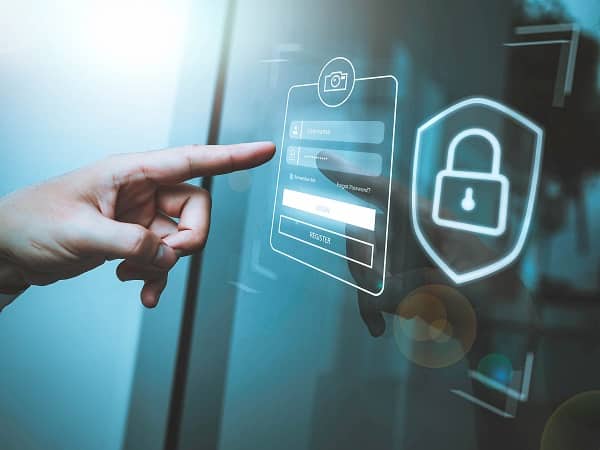
If you need help coming up with perfect passwords or are struggling to remember them all, some great password management tools can help. These programs allow you to create and store unique passwords for each of your online accounts in an encrypted digital vault to which only you have access. This makes it quick and easy to create secure passwords for new accounts and prevents you from remembering them all. Here are a few great options:
1Password
1Password is an invaluable tool that helps you stay secure on the internet by managing all your passwords in one convenient place. Using 1Password means you don’t have to remember dozens of passwords, reducing the chances that you’ll forget them or, worse yet – use easily guessed phrases. You also don’t have to be tempted to save your password for a website or app in a text document that someone could open with malicious intentions.
With 1Password, you can log into everything safely and quickly from anywhere. This simple switch could save a lot of time and hassle associated with setting up and recovering accounts for any online purpose.
BitWarden
Another fantastic tool that can help you create and manage secure passwords is BitWarden. This program offers a variety of benefits, including automatic password generation, encryption of all your information, and the ability to share select logins with others without having to send them your actual login credentials. It also is excellent for those looking for open-source password management, as BitWarden excels in this field as well. So whether you’re looking for a tool to help you create and manage strong passwords or want to stay safe online, BitWarden is an excellent choice that can give you the peace of mind you need.
NordPass
For those already using NordVPN, their excellent new password manager, NordPass, is a great option. This tool makes it simple and easy to create strong passwords for all your accounts without worrying about memorizing them or keeping track of them all in one place.
NordPass also offers additional features like using biometrics for security verification and access control for your digital vault. With NordPass, you can rest easy knowing that your information is safe and secure while managing all your accounts easily and quickly from one convenient place.
Take Your Time To Pick The Perfect Password!
When picking the perfect password, there is a lot to consider. From the creativity and length of the password to the tools you use to create and manage it, many factors can influence security. However, taking the time to ensure that you are choosing passwords that will keep your online information safe in the event of an attack can go a long way in helping you to stay secure. So feel free to get creative and use tools like 1Password, BitWarden, or NordPass to help you create and store your passwords in a way that works best for you. Remember, the right approach and careful planning can go a long way in security!