The entertainment industry, a vast domain of creativity and innovation, has entered a transformative era with the advent of artificial intelligence. AI’s penetration into this sector is redefining traditional methodologies, from script writing to audience interaction, offering unprecedented tools and possibilities. This evolution is not just about technological enhancement but also about the radical re-imagination of the creation, distribution, and consumption of entertainment content. As you explore the multifaceted influence of AI, you unfold its profound impact on an industry that shapes culture and societal trends.
Contents
- 1 AI in Film Production
- 2 AI in Music Composition and Production
- 3 AI in Content Distribution
- 4 AI-Driven Content Customization and Creation
- 5 AI in Gaming: Creating More Immersive Experiences
- 6 Virtual Influencers and Digital Personalities
- 7 Ethical Considerations With AI
- 8 The Future of Entertainment with AI
- 9 Step Into The New Era Of Entertainment
AI in Film Production

The dawn of AI in film production has revolutionized traditional practices. Scriptwriting, once solely a human endeavor, now sees collaboration with AI, offering innovative plot twists and character developments. Casting processes and visual effects are increasingly reliant on AI for more realistic and complex creations. The technology’s capacity to analyze vast datasets enables producers to make informed decisions about everything from storyline feasibility to audience engagement potential. The integration of AI in film production is not just changing how movies are made; it’s altering the very fabric of storytelling.
Visual effects, a cornerstone of modern cinema, have reached new heights with AI. Algorithms now assist in creating detailed and immersive worlds that were once impossible or too costly. AI-driven effects adapt and learn, making each project more efficient and visually striking. This technology is also opening doors for independent filmmakers, providing tools that level the playing field with big studios. As AI continues to evolve, its role in film production promises even more sophisticated and compelling cinematic experiences.
AI in Music Composition and Production
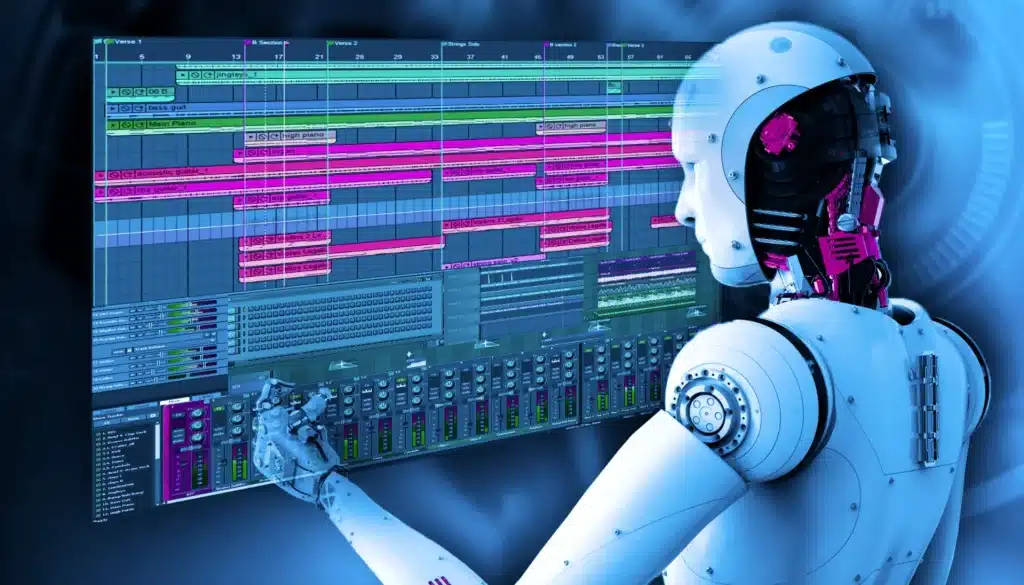
AI is also tuning into music composition and production, altering the landscape of how music is created and experienced. Algorithms can now generate compositions, infusing new styles and sounds into the music industry. These AI composers are not replacing human creativity but augmenting it, providing artists with a broad array of tools for expression and experimentation. This technological intervention is also streamlining production processes, from mixing to sound engineering, making sophisticated techniques more accessible to artists of all levels.
The evidence of AI’s influence is palpable in the music that reaches your ears. Several artists and producers have already embraced AI, releasing tracks and albums that blend human and machine creativity. This collaboration is expanding musical boundaries, introducing genres and sounds that were previously unimaginable. As AI’s role in music production deepens, it’s expected to continue reshaping the industry, offering new opportunities for innovation and expression in an ever-evolving art form.
AI in Content Distribution
The way people discover and consume entertainment has been significantly altered by AI-driven content distribution and recommendation systems. Streaming platforms, powered by sophisticated algorithms, analyze viewing habits to personalize the user experience, curating content that aligns with individual preferences. This not only enhances viewer satisfaction but also increases content consumption and retention. The precision of these systems is continually refined through feedback loops, ensuring that recommendations become more accurate and relevant over time.
Moreover, AI plays a pivotal role in predictive analytics, helping platforms anticipate trends and viewer preferences. This foresight enables content creators and distributors to stay ahead of the curve, developing and promoting material that resonates with the audience. The impact of AI in content distribution and recommendation extends beyond viewer engagement; it’s also revolutionizing advertising strategies and revenue models, making the entertainment industry more dynamic and consumer-centric.
AI-Driven Content Customization and Creation

AI’s capability to customize and create content is ushering in a new era of personalized entertainment. Interactive content, which adapts based on viewer choices and behavior, is becoming increasingly popular, offering a unique and engaging experience for each user. These AI-driven narratives are not confined to any single form of entertainment, spanning from movies and series to interactive books and games. The technology allows for a more immersive and individualized experience, reflecting the user’s preferences and decisions.
Beyond customization, AI is also venturing into the realm of content creation. Algorithms can now generate art, write stories, and even create entire virtual worlds. This content, often indistinguishable from human-made, is not only expanding the volume of available entertainment but also pushing the boundaries of creativity. As AI becomes more sophisticated, the potential for entirely new forms of entertainment crafted by machines but enjoyed by humans is becoming a tangible reality.
AI in Gaming: Creating More Immersive Experiences

In the realm of gaming, AI is not just an enhancer but a game-changer, creating immersive and dynamic experiences for players. The development of non-player characters (NPCs) with AI has led to more realistic and responsive interactions, making game worlds livelier and more unpredictable. Additionally, AI is instrumental in procedural content generation, where game environments or levels are created on the fly, ensuring a unique experience for every playthrough. These advancements are elevating the gameplay experience and pushing developers to think more creatively about game design.
The impact of AI extends further into the domain of virtual reality (VR) and augmented reality (AR), where it’s helping create more convincing and interactive worlds. AI algorithms are improving motion capture and environmental reactions, making VR and AR experiences more immersive and realistic. As gaming continues to evolve, AI’s role in creating complex, engaging, and personalized gaming experiences is expected to grow, promising a future where games are more than just a pastime but a fully immersive journey into new realities.
Virtual Influencers and Digital Personalities

Virtual influencers and digital personalities are the new frontier in marketing and entertainment, made possible by AI. These AI-generated figures have the ability to engage with audiences, push commercial products, and create content just like human influencers, but with a twist of perfection and programmability. They represent a burgeoning market that blends technology, culture, and commerce in innovative ways. Brands are increasingly turning to these virtual beings to promote their products, capitalizing on their ability to generate buzz and connect with younger, tech-savvy demographics.
However, the rise of these digital entities is not without controversy. They raise questions about authenticity and the nature of influence. As these virtual influencers become more prevalent, they challenge the notions of celebrity and interaction. The implications for the entertainment industry are vast as it navigates the balance between human performers and digital creations. The continued development of virtual influencers signifies a shift in how content is produced and consumed, reflecting broader changes in society’s relationship with technology and media.
Ethical Considerations With AI
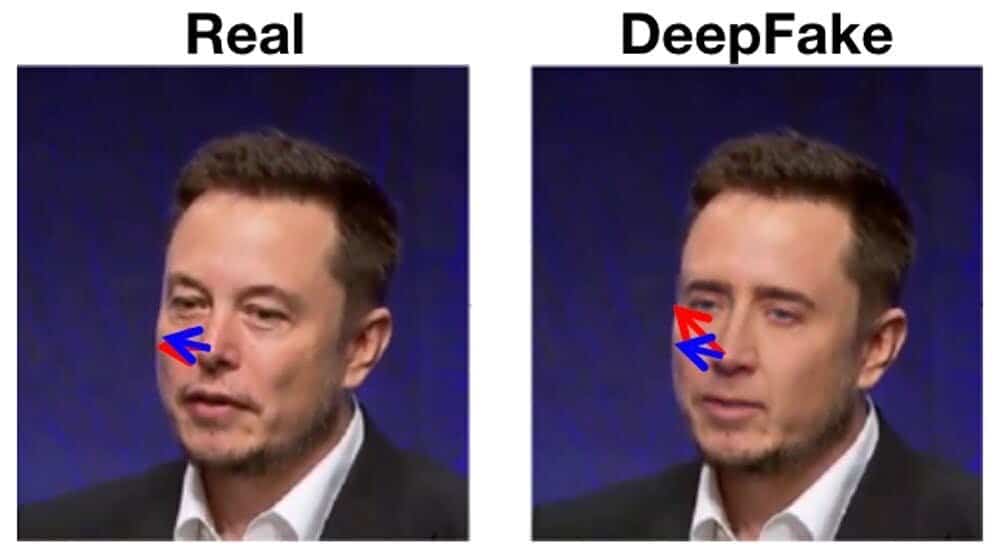
As AI becomes more ingrained in the entertainment industry, it’s crucial to address the ethical implications. Deepfake technology, for instance, has the potential to create hyper-realistic fake videos, leading to concerns about misinformation and privacy. The ability of AI to replicate and distribute content at scale also raises issues of intellectual property and the devaluation of human creativity. These concerns necessitate a dialogue among technologists, creators, and regulators to ensure that the advancement of AI in entertainment doesn’t compromise ethical standards or societal norms.
Looking forward, the entertainment industry must navigate the balance between leveraging AI for innovation and guarding against its potential misuse. This involves not only technological safeguards but also a broader understanding of AI’s impact on culture and society. As AI continues to evolve, so too must the frameworks governing its use in entertainment. The challenge lies in fostering an environment where AI can contribute positively to the industry without undermining human creativity or ethical principles.
The Future of Entertainment with AI
The trajectory of AI in entertainment points toward a future brimming with innovation and new experiences. As technology advances, you can expect more sophisticated AI applications, pushing the boundaries of what’s possible in content creation, distribution, and interaction. This future is not just about technological capabilities but also about how creators, industry stakeholders, and audiences adapt and contribute to the evolution of entertainment. The collaboration between human creativity and AI promises to bring forth a new era of entertainment characterized by unprecedented levels of personalization, immersion, and interactivity.
However, the path forward is not without challenges. It requires continuous dialogue and collaboration to ensure that the benefits of AI are realized while minimizing its risks. The future of entertainment with AI is not a predetermined path but a journey shaped by innovation, ethical consideration, and the collective will of all those involved in the creative process. As you look ahead, the potential for AI to enrich and transform the entertainment industry is clear, promising a future where technology and creativity converge in exciting and meaningful ways.
Step Into The New Era Of Entertainment
As AI reshapes the entertainment landscape, it invites stakeholders across the spectrum to engage with this transformative journey. The industry stands on the cusp of a new era where creativity meets technology, offering unparalleled experiences. Let’s embrace this wave of innovation, contribute to the ethical discourse, and actively participate in shaping an entertainment industry that is more dynamic, inclusive, and captivating than ever before.