Facial recognition technology (FRT) is quickly becoming a fixture in modern life, but its rapid adoption raises significant concerns. From unlocking smartphones to tracking individuals in public spaces, FRT has transformed the way we interact with technology and the world around us. While its benefits include enhanced security and convenience, there are troubling implications that deserve closer attention. Issues like data privacy, algorithmic bias, and potential misuse threaten to outweigh its advantages if left unregulated. As FRT becomes more embedded in everyday life, understanding its risks and challenges is essential for safeguarding personal freedoms and ensuring ethical development.
Contents
- 1 The Rapid Expansion of Facial Recognition Technology
- 2 Privacy Concerns: How Facial Recognition Impacts Personal Freedom
- 3 Accuracy Issues: How Bias in Facial Recognition Affects Outcomes
- 4 Security Risks: How Facial Recognition Data Can Be Exploited
- 5 Ethical Concerns: Who Controls the Technology?
- 6 Legal and Regulatory Challenges
- 7 The Future of Facial Recognition Technology
- 8 Protecting Freedoms in a Digital Age
The Rapid Expansion of Facial Recognition Technology

Facial recognition technology has seen explosive growth, becoming a tool used across industries and sectors. Airports deploy it for streamlining security checks, while retailers use it to analyze customer behavior. Even social media platforms have integrated FRT to tag individuals in photos automatically. Its widespread adoption reflects its versatility, but it also raises questions about the long-term implications of such pervasive use.
The increasing reliance on FRT comes with far-reaching consequences for society. As businesses and governments adopt this technology, it becomes harder for individuals to avoid its reach. In many cases, FRT is implemented without public knowledge or consent, eroding trust. The pace of adoption far exceeds the establishment of policies that can ensure its ethical use, leaving a critical gap in accountability.
Privacy Concerns: How Facial Recognition Impacts Personal Freedom

Facial recognition technology inherently collects and stores highly sensitive biometric data, creating significant privacy challenges. When individuals walk through public spaces, they may be scanned and logged without their consent. This constant monitoring not only invades personal privacy but also normalizes surveillance on an unprecedented scale. Over time, this can lead to a chilling effect on behavior, where people feel they must self-censor to avoid scrutiny.
Additionally, the data collected by FRT systems poses a unique risk of misuse. Unlike passwords, biometric data cannot be reset or changed if compromised, making it a permanent vulnerability. This is especially concerning when databases containing facial data are poorly secured or sold to third parties without oversight. These risks underscore the urgent need for transparent practices and robust protections to safeguard personal information.
Accuracy Issues: How Bias in Facial Recognition Affects Outcomes
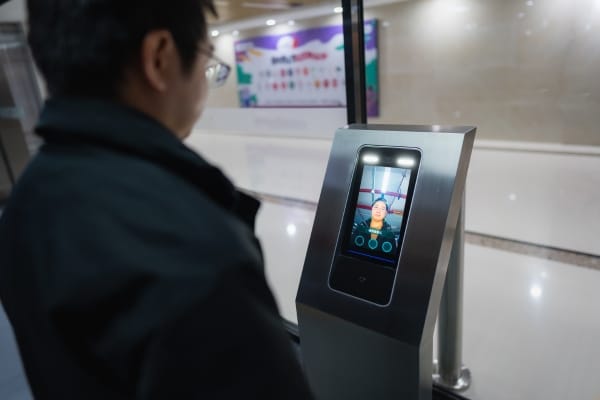
Bias in facial recognition systems has been widely documented, often resulting in disproportionate harm to marginalized groups. Studies have shown that FRT tends to misidentify individuals from certain racial and ethnic backgrounds at significantly higher rates. Such errors can have severe consequences, including wrongful arrests and lost opportunities. These inaccuracies highlight the urgent need to address the biases embedded within the algorithms powering these systems.
The problem of bias stems from how FRT systems are trained, often using datasets that fail to represent diverse populations adequately. When the technology cannot accurately process the features of specific groups, it exacerbates inequality and discrimination. This is especially troubling when FRT is used in law enforcement or hiring decisions, where mistakes can have life-altering implications. Addressing these issues requires both better data and rigorous testing to ensure fairness and reliability.

Security Risks: How Facial Recognition Data Can Be Exploited

The storage of facial recognition data presents a unique and alarming security threat. Databases containing biometric information are attractive targets for hackers, as breaches can have irreversible consequences. Unlike other forms of personal data, biometric details cannot be changed, making their theft particularly damaging. These risks are amplified by the rapid adoption of FRT without equivalent advancements in cybersecurity measures.
Moreover, stolen facial recognition data can be exploited for malicious purposes. Identity thieves can use it to bypass security systems, while stalkers or other bad actors may use it to track victims. Governments and corporations that fail to adequately secure this data put millions at risk, creating an urgent need for stronger safeguards. Without stringent security protocols, the adoption of FRT could lead to widespread harm, undermining public trust in technology.
Ethical Concerns: Who Controls the Technology?

Facial recognition technology raises profound ethical questions about power and control. Currently, corporations and governments often deploy FRT without public knowledge or explicit consent, creating a troubling imbalance. This lack of transparency makes it difficult to determine how the technology is being used or whether it is being abused. Such unchecked power allows a few entities to make decisions that impact millions, often without accountability or oversight.
The ethical implications are especially concerning in the context of authoritarian regimes, where FRT is used to monitor and suppress dissent. Even in democratic societies, its misuse can threaten freedoms if deployed irresponsibly. For instance, its use in workplace monitoring or public surveillance blurs the line between safety and oppression. To address these concerns, there must be clear, enforceable regulations to ensure ethical applications and protect public interests.
Legal and Regulatory Challenges

The rapid development of facial recognition technology has far outpaced the creation of laws to govern its use. In many countries, there are few, if any, regulations defining where and how FRT can be deployed. This legal vacuum allows corporations and governments to implement the technology in ways that often disregard individual rights. Without a unified framework, policies vary wildly between regions, leading to inconsistent protections.
Some jurisdictions have started to push back, with cities banning FRT use in public spaces and others demanding stricter oversight. However, these efforts are often met with resistance from powerful industries that profit from FRT’s expansion. Loopholes and vague legal language further complicate enforcement, leaving many citizens vulnerable. Comprehensive legislation is urgently needed to strike a balance between innovation and the protection of fundamental rights.
The Future of Facial Recognition Technology

The future of facial recognition technology holds both promise and peril. On one hand, advancements could improve the accuracy and functionality of FRT, enabling safer and more efficient systems. These developments could revolutionize sectors like healthcare and accessibility, offering new ways to enhance quality of life. On the other hand, as FRT becomes more sophisticated, it also becomes harder to detect, increasing the potential for abuse.
Public awareness and involvement will play a critical role in shaping how FRT evolves. Advocates must push for responsible innovation that prioritizes ethics and security over profit and control. Transparency in development and deployment is essential to earning and maintaining public trust. By fostering informed discussions and enacting meaningful regulations, society can harness the benefits of FRT while minimizing its risks.
Protecting Freedoms in a Digital Age
Facial recognition technology stands at a crossroads, offering immense potential but carrying equally significant risks. Without thoughtful regulation and ethical oversight, its widespread adoption could undermine personal freedoms and exacerbate social inequalities. However, with informed discussions and decisive actions, society has the opportunity to shape this technology for the better. The choices made today will determine whether FRT becomes a tool for progress or a force for harm. Vigilance, transparency, and advocacy are key to ensuring it serves humanity responsibly.