Have you ever wondered how you could use wearable technology to improve your life? Well, that’s exactly what you’ll be learning today – how your smartwatches, fitness trackers, and other wearables can transform your everyday life. They help you better manage your health by measuring heart rate, sleep quality, and calorie intake. They also open up a new world of automation possibilities for virtually anything from smart lighting to video call notifications. So let’s dive in! By the end of this blog post, you’ll understand just how profitable it can be to utilize these powerful tools in your life.
Contents
The Advancement Of Wearable Technology
With each passing tech trend, the future of technology is ever so near. Wearable technology has been part of this trend for quite some time now and is evolving rapidly. Wearable technology can be anything from fitness trackers to smartwatches and clothing with built-in technology capabilities. What’s even more fascinating is how these devices are becoming increasingly sophisticated, from tracking your sleep cycles to allowing you to customize the color of your watch face.
Not only does wearable technology simplify life by simplifying tasks, but it also provides a layer of security with features such as two-factor authentication or biometric fingerprint scanning. It’s certainly an exciting field of innovation that continues to surprise! The possibilities are endless, and with augmented reality (AR) advancements, there could be other unexpected advantages to wearing such devices.
Different Ways To Utilize Wearable Technology
As these devices get smarter, their potential use cases become more obvious. So if you have recently purchased a wearable device, you can immediately put it to work. Here is a look at some of the most popular use cases for wearable technology:
Fitness Tracking
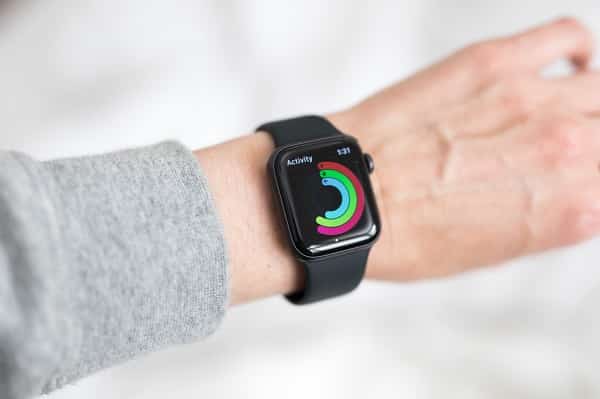
Fitness tracking is one of the most popular uses of wearable technology. These devices, such as Fitbit, Garmin, and Apple Watch, can track your daily activity levels, including steps taken, distance traveled, and calories burned. Additionally, some wearables offer specialized features, such as GPS tracking for outdoor activities like running or cycling and heart rate monitoring during workouts. With wearable fitness trackers, you can even set goals and monitor your progress toward achieving them.
Furthermore, many devices come equipped with motivational features, such as reminders to move or encouragement to meet activity targets. You can connect with friends or family with the same device and participate in challenges or competitions. Some wearables also offer coaching and personalized workout plans. These features provide customized recommendations for exercise routines based on your fitness level and goals.
Sleep Tracking

Sleep tracking is another popular use of wearable technology. These devices, such as Fitbit and Oura Ring, can monitor your sleep patterns and provide insights into the quality and duration of your sleep. Wearables can also detect snoring and other factors impacting your sleep quality. Using a wearable to track your sleep can also help you identify areas for improvement in your sleep routine.
For example, you can adjust your bedtime routine to create a more conducive sleep environment if you need more deep sleep. Or, if your sleep tracking data reveals an irregular sleep schedule, you can set alarms to help you stay on track. Wearable devices can even provide personalized advice and suggestions for improving sleep quality.