Install Antivirus and Anti-Malware Software

Mobile devices are increasingly targets for malware and viruses, much like traditional computers. Installing a reputable antivirus app can protect your phone from malicious software that can steal data, spy on your activities, or even lock you out of your own device. These apps run in the background, monitoring for suspicious activity and providing real-time protection against threats.
When selecting antivirus software, look for apps with strong reviews and a reliable track record. Many respected providers offer mobile solutions that integrate seamlessly with your device, providing automatic scans and updates. Regular scanning is crucial, as it helps detect and remove threats before they can do harm. Additionally, some antivirus apps come with extra features like anti-theft mechanisms, which can help locate your phone or erase its data if it’s lost or stolen.
Be Wary of App Permissions

App permissions are the rights and privileges granted to an app by your device, allowing it to access various features like your camera, contacts, or location. It’s essential to understand why an app requests certain permissions to ensure that it only accesses data necessary for its function. Many apps may request access to more information than they need purely for functionality, putting your privacy at risk.
Managing your app permissions effectively can significantly increase your phone’s security. Regularly review the permissions each app has, which can usually be found in the settings menu under ‘Apps’ or ‘Applications.’ Adjust permissions by disabling access to sensitive data that doesn’t impact the app’s primary functions. This not only protects your personal information but also minimizes the potential damage if an app is compromised.
Secure Your Network Connections

Public Wi-Fi networks can be hotbeds for cyber threats, with attackers often intercepting data transmitted across these networks. Always be cautious when connecting to public Wi-Fi and avoid accessing sensitive accounts or conducting financial transactions on these networks. If you must use public Wi-Fi, ensure the network is legitimate and not a decoy set up by cybercriminals looking to capture user data.
A Virtual Private Network (VPN) is a powerful tool for securing your network connection. A VPN encrypts your internet traffic, making it difficult for hackers to intercept or read your data. Use a reputable VPN provider, especially when connecting to public or unfamiliar Wi-Fi networks. This ensures that your online activities are shielded from prying eyes, providing you with both security and peace of mind when browsing the internet.
Regularly Backup Your Data

Backing up your phone data ensures that you can restore your information in case your phone is lost, stolen, or compromised. Regular backups can save critical personal data such as contacts, photos, and documents and should be part of your routine digital maintenance. Many smartphones offer automatic cloud backup solutions that can be configured in your phone’s settings, ensuring your data is safely stored without regular manual intervention.
Apart from cloud backups, consider using external storage solutions like USB drives or external hard disks for an additional layer of backup. These physical devices can store large amounts of data securely and can be kept in a safe place for retrieval when needed. Ensure that these devices are encrypted and stored securely to prevent unauthorized access in case they are lost or stolen. By maintaining multiple backup solutions, you significantly reduce the risk of permanent data loss.
Protect What Matters Most
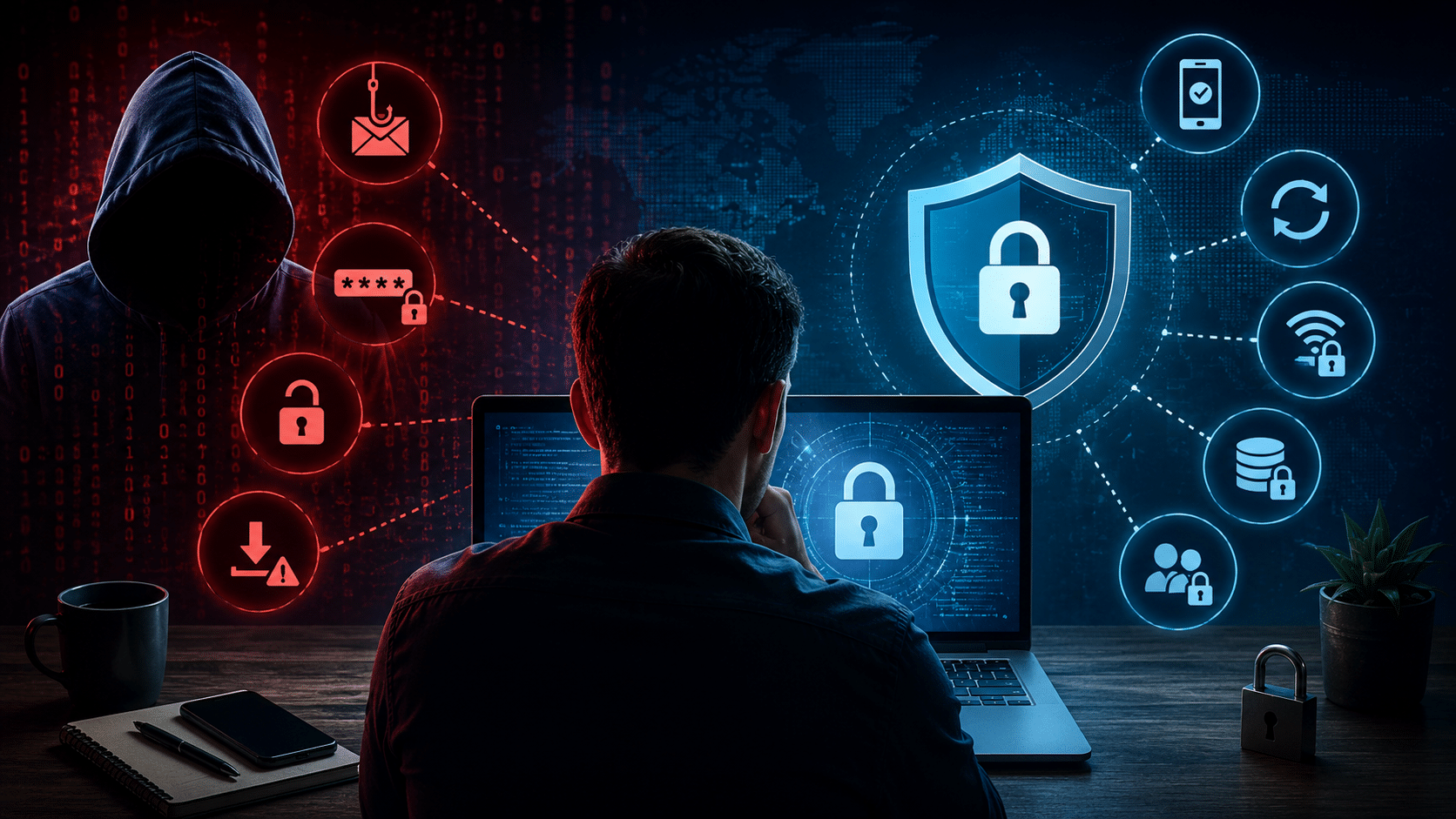
By adopting these security practices, you can create a robust defense for your smartphone against the myriad of cyber threats prevalent today. From updating regularly to managing app permissions and securing network connections, each step contributes to a comprehensive shield for your personal data. Remember, maintaining security is an active endeavor—stay updated, stay cautious, and leverage these tips to ensure your digital safety in an increasingly connected world.