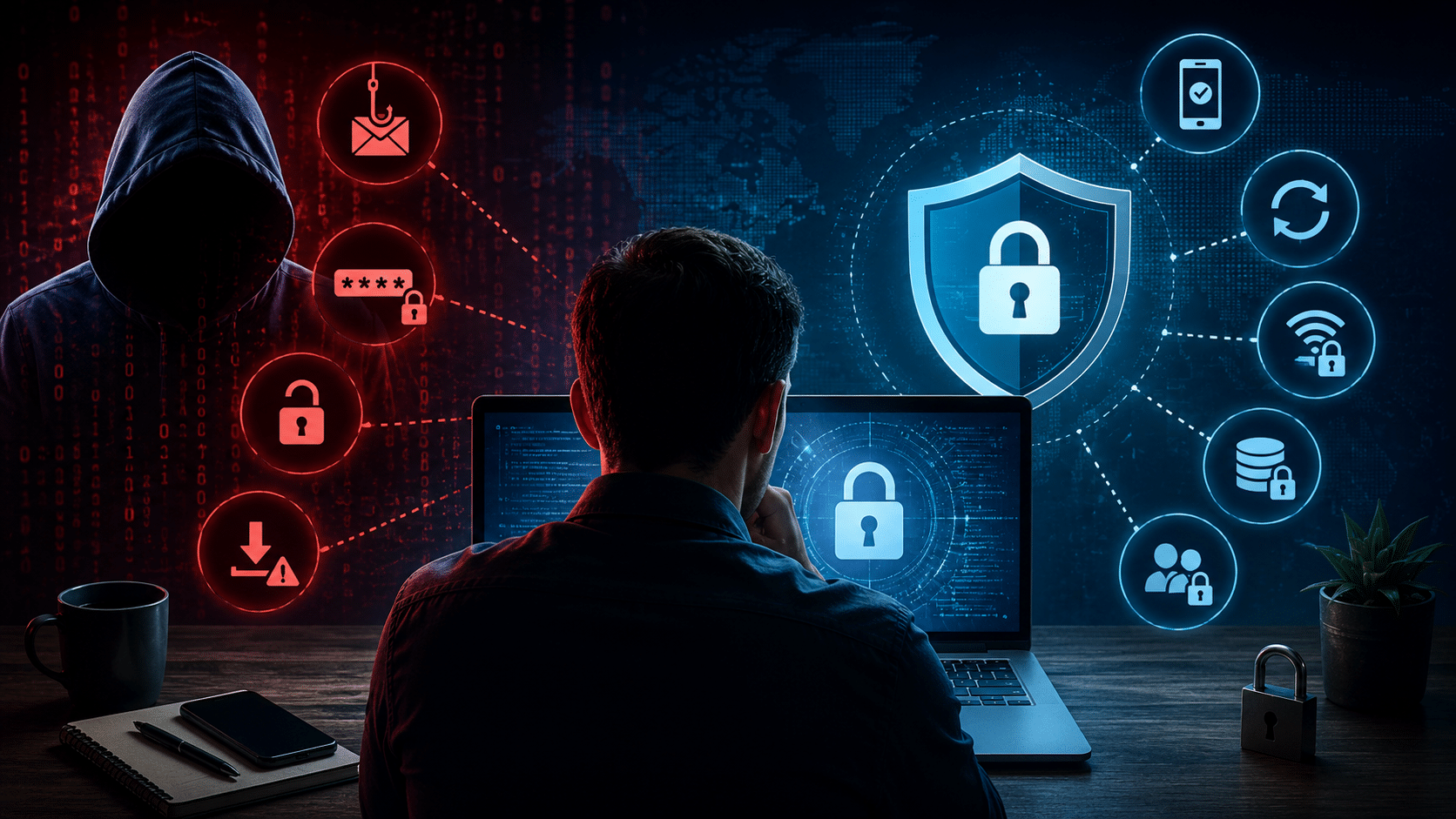
The Dark Side Of Deepfakes

Despite their potential benefits, deepfakes can also be used with malicious intent. Misuse of this technology extends from creating fake news to committing fraud or impersonation. A well-executed deepfake can misrepresent someone’s words or actions, creating a false narrative that can damage reputations or even incite violence.
Personal defamation and invasion of privacy are also significant concerns associated with deepfakes. With sufficient data, an individual can be made to appear in explicit content or compromised situations without their knowledge or consent. This dark side of deepfakes underlines the potential for harm that comes with the power to manipulate reality.
Deepfakes And Politics

The influence of deepfakes reaches even into the political sphere, adding a new layer of complexity to the information landscape. They can be used to falsify statements or actions by politicians, potentially swaying public opinion and impacting election outcomes. This manipulation represents a substantial threat to democratic processes and the credibility of public figures.
In addition to affecting individual politicians, deepfakes can also contribute to broader misinformation campaigns. Bad actors can influence public discourse and social stability by creating divisive or inflammatory content. As we face an increasingly complex information environment, it’s crucial to understand and address the potential political implications of deepfakes.
Legal And Ethical Considerations

The rise of deepfakes has provoked discussions around the adequacy of our current legal framework to tackle this new form of disinformation. As it stands, laws around deepfakes vary by jurisdiction, and many are struggling to catch up with the rapid advancement of this technology. Meanwhile, the ethical questions raised by deepfakes – such as those surrounding consent, truth, and authenticity – remain largely unaddressed.
Potential solutions to these legal and ethical dilemmas are still being explored. Some suggest stricter regulations and laws against the misuse of deepfakes, while others propose the use of technology itself to combat the problem. Regardless, a multi-faceted approach that includes policy changes, improved detection tools, and increased public awareness is likely necessary.
Future Of Deepfakes And AI

The evolution of deepfakes and AI is far from over. With advancements in AI, we can anticipate more realistic and accessible deepfakes. While this presents exciting possibilities for creative and positive uses, it also means increased potential for misuse. As such, staying ahead of this technology is essential for mitigating its threats.
The same technology that enables deepfakes, AI, may also be part of the solution to detecting and combatting them. Researchers are exploring AI-based methods to discern real media from deepfakes, which could become a crucial tool in the fight against misinformation. Nevertheless, educating the public about this technology and fostering digital literacy will be equally important.
The Bottom Line
The rise of deepfakes epitomizes the dual nature of AI technology – a potential boon for innovation and creativity but also a potential tool for harm and deception. As the line between virtual and reality continues to blur, it becomes increasingly essential for us to stay informed and vigilant. While policy and technology will play key roles in addressing the challenges posed by deep fakes, public awareness and understanding are our best defenses against the dark side of this potent technology.