During Covid-19, we have learned many things, many of us are working from home, or we spend time at home video chatting with family and friends, and this pandemic has made us rely on screens more than ever. Technology has grown, and so has our back pain. Nowadays, there are symptoms of ‘tech neck’ that are creeping up. Tech neck is a condition where your body position has your chin forward, your shoulders rounded forward, and your neck is flexed to look downward at your laptop or phone. Teck neck can become more severe if we spend more than enough time on screen. It leads to discomfort as it causes stress to the upper neck and the back area of the neck, which causes poor posture. Symptoms which are most common in today’s individual are as follows:
- Pain in the trapezius
- Neck and upper back pain and stiffness
- Headaches
- Muscle spasms
- Some people experience throbbing, stabbing, numbness, and aching.
How to get rid of tech neck?
This pandemic has caused doctors to notice the increasing symptoms of tech neck in patients. As the signs grow, it becomes more and more severe. It can take months to develop neck and upper back pain, and it can even take a long time to form good posture. Some doctors even agree that choosing a good and comfortable chair can also help you work on your computer. If you don’t take the proper precautions, the pain can increase, and it can cause physical tension to grow in the body.
Design Your Workstation
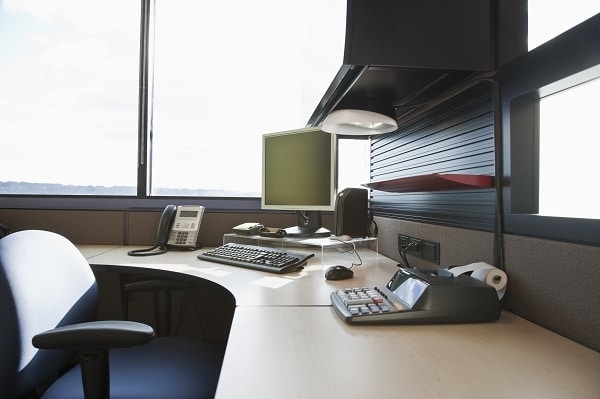
Many offices, room tables, and sofas provide you comfort and good positioning of your body. You need to choose and be patient and think while creating your workstation to avoid and decrease injuries. So, doctors recommend that you need to change the workstation to prevent back injuries.
Pay Attention to Your Posture

When you work for long hours, your back tends to become numb, so doctors suggest that you should keep your shoulder against the end of the chair, and you can place your laptop on your lap. The leading cause of the tech neck is most people lean on their table to type.