Addressing Computer Software Errors

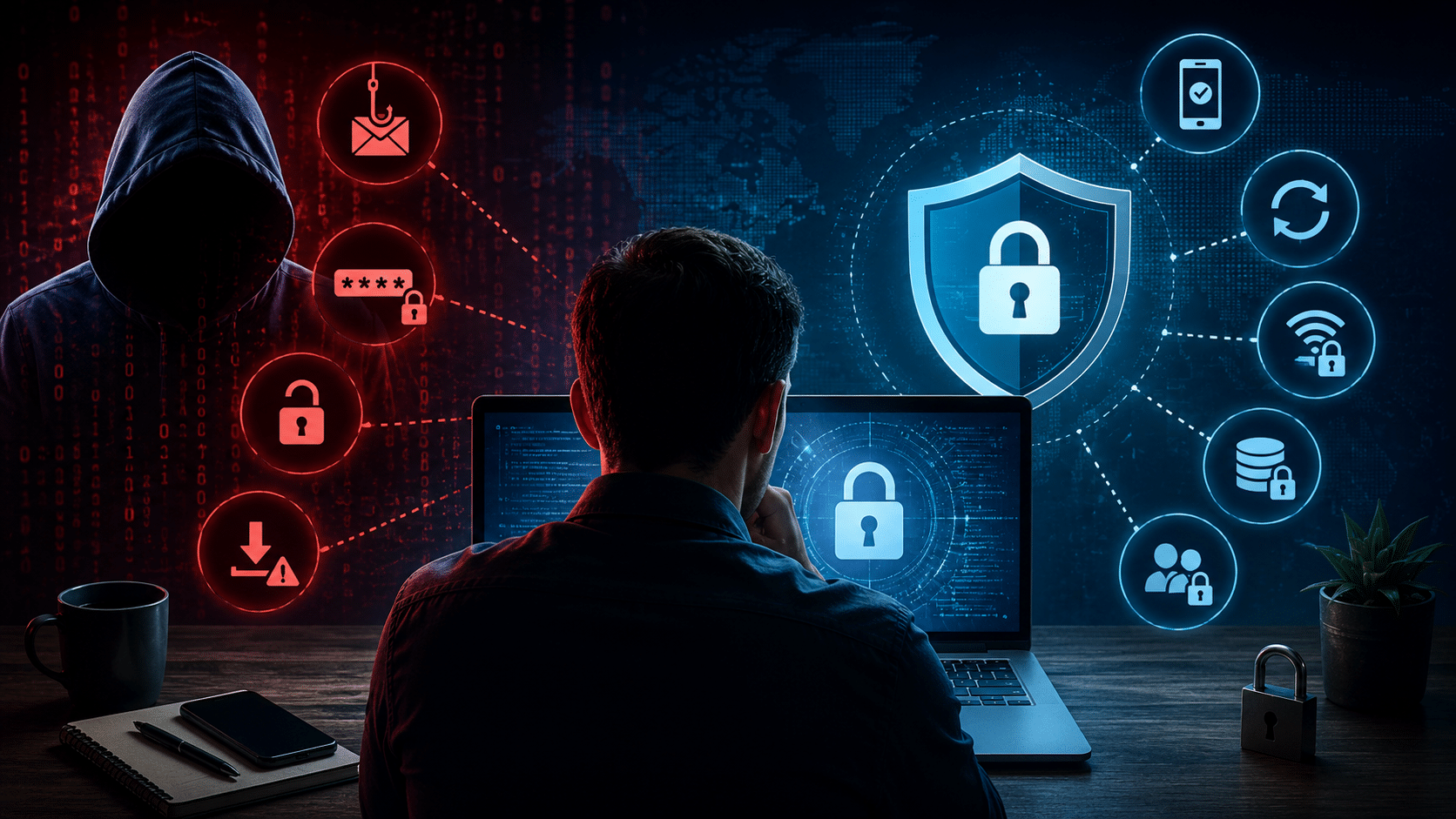
Software errors on computers can manifest as slow operations, unexpected crashes, or failed operations. Identifying and closing unnecessary running programs can free up resources and improve performance. Regularly updating the operating system and all installed software can prevent many software issues by fixing bugs and enhancing security.
When problems persist, using the operating system’s built-in troubleshooting tools can help diagnose and fix software issues. Reinstalling software that continually causes errors might be necessary. This approach removes any corrupted files and settings, potentially resolving the problem.
Managing Smart Home Device Issues

Smart home devices improve convenience and efficiency but can also present unique challenges, particularly with connectivity and compatibility. Initial troubleshooting should focus on ensuring all devices are properly connected to the home network. It’s also important to verify that all devices are compatible with each other, as conflicting technologies can cause system-wide issues.
Resetting devices that fail to respond or malfunction can often restore normal operation. Additionally, checking for firmware updates is crucial, as manufacturers frequently release software patches to improve performance and security.
Dealing with Streaming Interruptions

Streaming media has become a staple in entertainment, yet buffering and quality issues can mar the experience. The first step in addressing these problems is to ensure a robust internet connection. Upgrading to a faster internet plan or improving Wi-Fi signal strength can significantly reduce streaming disruptions.
Adjusting the settings on the streaming device can also alleviate problems. Reducing the video quality settings can minimize buffering, especially during peak internet usage times. Ensuring the streaming device is up to date with the latest software updates can also improve functionality and compatibility with streaming services.
Tackling Video Game Console Troubles

Video game consoles can encounter issues such as connectivity errors, disc read errors, or performance lag. Checking all physical connections can rule out problems like loose cables or improper setups. Clearing the console’s cache can also improve performance by removing temporary files that may be causing issues.
For consoles experiencing persistent problems, updating the firmware is a crucial step. This can fix known bugs and enhance console compatibility with newer games and peripherals. For disc-based consoles, maintaining the discs and ensuring they are clean and undamaged can prevent read errors and extend the life of the gaming hardware.
If these measures do not resolve the issues, a factory reset may be necessary, though this should be considered a last resort due to the potential loss of saved data. It’s advisable to back up any important game data to an external storage device or cloud service before proceeding with a reset. This approach can often restore the console to a state free of software issues, though it may require reinstalling games and applications.
Final Thoughts
Troubleshooting common tech issues at home does not have to be a daunting task. With a structured approach and an understanding of basic troubleshooting steps, most problems can be resolved quickly and without professional help. The tips provided in this article empower homeowners to take control of their technology, ensuring it runs smoothly and efficiently. Remember, the key to effective troubleshooting is patience and a systematic approach to identifying and solving issues. By applying these strategies, readers can save time and money while enhancing their overall experience with technology at home.