Skip to content

The Evolution of Social Media Platforms

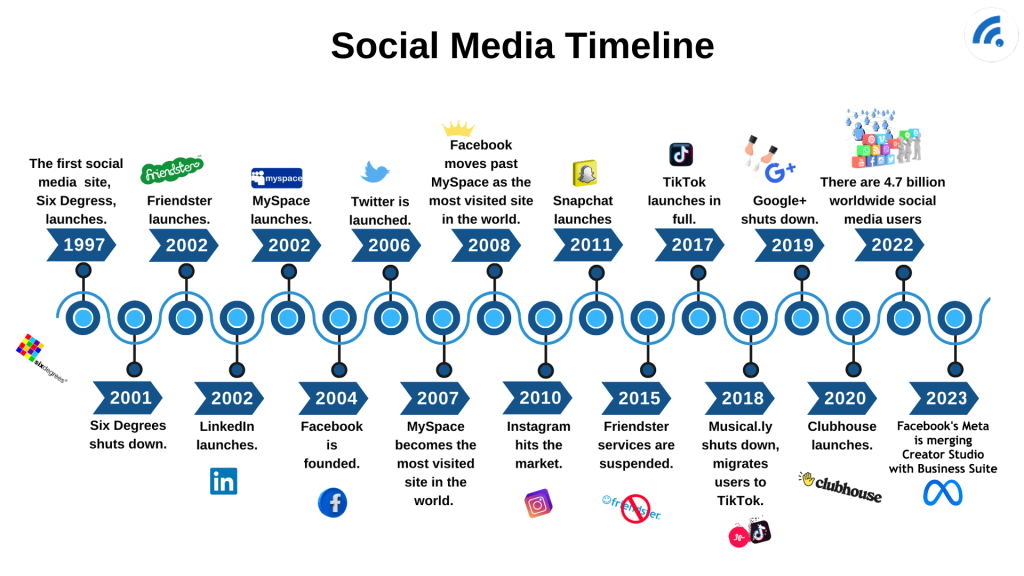
Social media platforms have revolutionized the way people communicate, connect, and consume content, evolving from simple message boards to complex ecosystems that influence almost every aspect of modern life. This post embarks on a journey through the evolution of social media; tracing its origins from the early days of the internet to the dynamic multimedia platforms people engage with today. It will explore key developments, pivotal moments, and the social phenomena that have shaped the landscape of social media, highlighting its impact on personal interactions, business, and society at large.

The Origins of Social Media

The Evolution of Social Media Platforms

The genesis of social media can be traced back to the late 20th century with the advent of Bulletin Board Systems (BBS) and Internet forums. These platforms allowed users to share messages, files, and ideas within a community, laying the groundwork for online social interaction. The concept of creating personal profiles, connecting with friends, and joining groups began with pioneering platforms like Six Degrees and Friendster. These early networks introduced the foundational features that would become staples of social media.

Following these initial steps, the evolution continued as these platforms gradually shifted from being niche hobbies for tech enthusiasts to becoming essential tools for mainstream communication. The introduction of Friendster and later Myspace marked a significant shift towards more personalized and interactive online experiences. Users could now create detailed profiles, share photos, and connect with people beyond their immediate social circles. This era set the stage for the explosive growth of social media, demonstrating its potential to connect people across the globe.

The Rise of Facebook and Twitter

The Evolution of Social Media Platforms

Facebook and Twitter emerged as game-changers in the mid-2000s, redefining the social media landscape with their innovative features. Facebook introduced the News Feed, allowing users to see updates from friends in real-time, while the Like button created a new way for users to interact with content. Twitter introduced hashtags and the concept of “following,” enabling real-time public conversations and the rapid spread of information. These platforms made social media an integral part of daily life for millions, influencing everything from personal relationships to global events.

The impact of Facebook and Twitter extended beyond individual connectivity; they became powerful tools for public discourse and social movements. The Arab Spring and other significant events demonstrated social media’s capacity to mobilize communities and drive societal change. These platforms facilitated communication among activists and brought global attention to their causes. The rise of Facebook and Twitter marked a pivotal moment in social media history, highlighting its potential as a tool for both personal expression and collective action.

The Visual Revolution: Instagram and Snapchat
The Evolution of Social Media Platforms

The launch of Instagram in 2010 and Snapchat in 2011 signaled the beginning of the visual revolution in social media. Instagram’s simple photo-sharing model quickly captured the hearts of millions, emphasizing the power of visual storytelling. Snapchat introduced ephemeral messaging, allowing users to share moments that would disappear after being viewed. These platforms shifted the focus of social media from text-based updates to a more visual and immersive experience, engaging users in new and dynamic ways.

This visual shift had a profound impact on digital marketing and personal branding. Brands and influencers embraced Instagram and Snapchat for their ability to create visually appealing content and forge deeper connections with audiences. The emphasis on images and videos allowed for more creative and engaging marketing strategies, transforming how companies interact with consumers. The success of these platforms underscored the growing importance of visual content in social media, setting new standards for engagement and communication.

The Era of Video Content: YouTube and TikTok
The Evolution of Social Media Platforms

YouTube, launched in 2005, revolutionized the way people consume and create video content, making it accessible to anyone with an internet connection. It democratized content creation, enabling users to upload videos on any topic and reach global audiences. The platform’s vast and diverse content library, from educational tutorials to entertainment, has made it a staple in digital media consumption. YouTube’s impact extends beyond entertainment; it has become a valuable resource for learning and information sharing.

TikTok’s emergence has further shaped the social media landscape, emphasizing short-form video content that encourages creativity and participation through challenges, dances, and trends. Its algorithm promotes personalized content discovery, making it easier for users to find videos that match their interests and for creators to reach a wider audience. TikTok has become a cultural phenomenon, influencing music, fashion, and entertainment. The platform’s success highlights the growing preference for video content that is not only entertaining but also interactive and community-driven.

Social Media for Professionals: LinkedIn

The Evolution of Social Media Platforms

LinkedIn transformed the landscape of professional networking by launching a platform dedicated to career development and professional connections. It differentiated itself from other social media by focusing on professional identities, job opportunities, and industry discussions. Users can showcase their resumes, connect with colleagues, and engage with content relevant to their professional interests. LinkedIn’s features, such as endorsements and recommendations, provide a way for users to validate their skills and experiences, enhancing their professional credibility.

The platform has also introduced LinkedIn Learning and other resources aimed at professional development, making it a comprehensive tool for career advancement. It serves not just as a networking site but as a career development platform, offering courses, insights, and advice tailored to users’ professional needs. The impact of LinkedIn on job searching and recruiting is profound; it has become a crucial tool for employers to find talent and for job seekers to discover opportunities. LinkedIn exemplifies how social media can be tailored to serve specific aspects of users’ lives, in this case, their professional lives, illustrating the versatility and adaptability of social media platforms.

The Integration of E-commerce

The Evolution of Social Media Platforms

The integration of e-commerce into social media platforms has blurred the lines between social networking and online shopping. Instagram, Facebook, and Pinterest have introduced features that allow users to shop directly from their feeds, transforming the way businesses approach social media. These platforms have become vital tools for brands to showcase their products, engage with customers, and drive sales. Live shopping events and the integration of influencers in marketing campaigns leverage the social aspect of these platforms to enhance the shopping experience, making it more interactive and personal.

This convergence of social media and e-commerce has given rise to “social shopping,” where the social experience is intertwined with shopping, allowing users to discover, discuss, and purchase products within a social context. Influencers play a key role in this ecosystem, leveraging their followings to promote products in a way that feels authentic and engaging. The blending of social media and online shopping exemplifies how digital platforms are evolving to meet the changing needs and behaviors of users, creating more integrated and immersive online experiences.

The Influence on Politics and Society

The Evolution of Social Media Platforms

Social media has become a powerful force in politics and society, influencing public opinion and facilitating political engagement. Platforms like Twitter and Facebook have provided a space for political leaders, activists, and citizens to share information, organize events, and mobilize supporters. The ability to spread messages quickly and to a broad audience has made social media a critical tool in political campaigns and social movements. However, this power comes with significant challenges, such as the spread of misinformation and the polarization of public discourse.

The challenges of moderating content and combating fake news have put social media platforms at the center of global debates on freedom of speech and the responsibility of tech companies. Efforts to address these issues include fact-checking initiatives, content moderation policies, and tools designed to promote digital literacy among users. These measures reflect the ongoing struggle to balance the benefits of open, digital communication with the need to protect against its potential harms. The influence of social media on politics and society underscores its dual role as a tool for empowerment and a source of controversy.

Future Trends in Social Media

The Evolution of Social Media Platforms

As the world moves forward, emerging technologies and changing user expectations are set to shape the next evolution of social media platforms. The push towards augmented reality (AR) and virtual reality (VR) offers new ways for users to interact and experience content, promising more immersive and engaging social experiences. Platforms are experimenting with AR filters and VR environments, exploring the potential of these technologies to enhance social connectivity and content consumption.

Artificial intelligence (AI) is another area poised to transform social media, with implications for personalized content, data analysis, and user engagement. AI algorithms are becoming more sophisticated, enabling platforms to deliver content that is increasingly tailored to individual users’ preferences and behaviors. However, these advancements also raise important questions about privacy, data security, and the ethical use of AI. As social media continues to evolve, it will be crucial to navigate these challenges while leveraging new technologies to create more meaningful and enriching online social experiences.

Join the Social Media Revolution

As you’ve journeyed through the evolution of social media platforms, it’s clear that their impact on daily life is profound and multifaceted. From altering the landscape of personal and professional communication to reshaping commerce and politics, social media continues to evolve, presenting new challenges and opportunities. As you look forward, embracing these changes and participating in the digital discourse will be crucial for harnessing the full potential of social media in shaping a more connected and informed world.