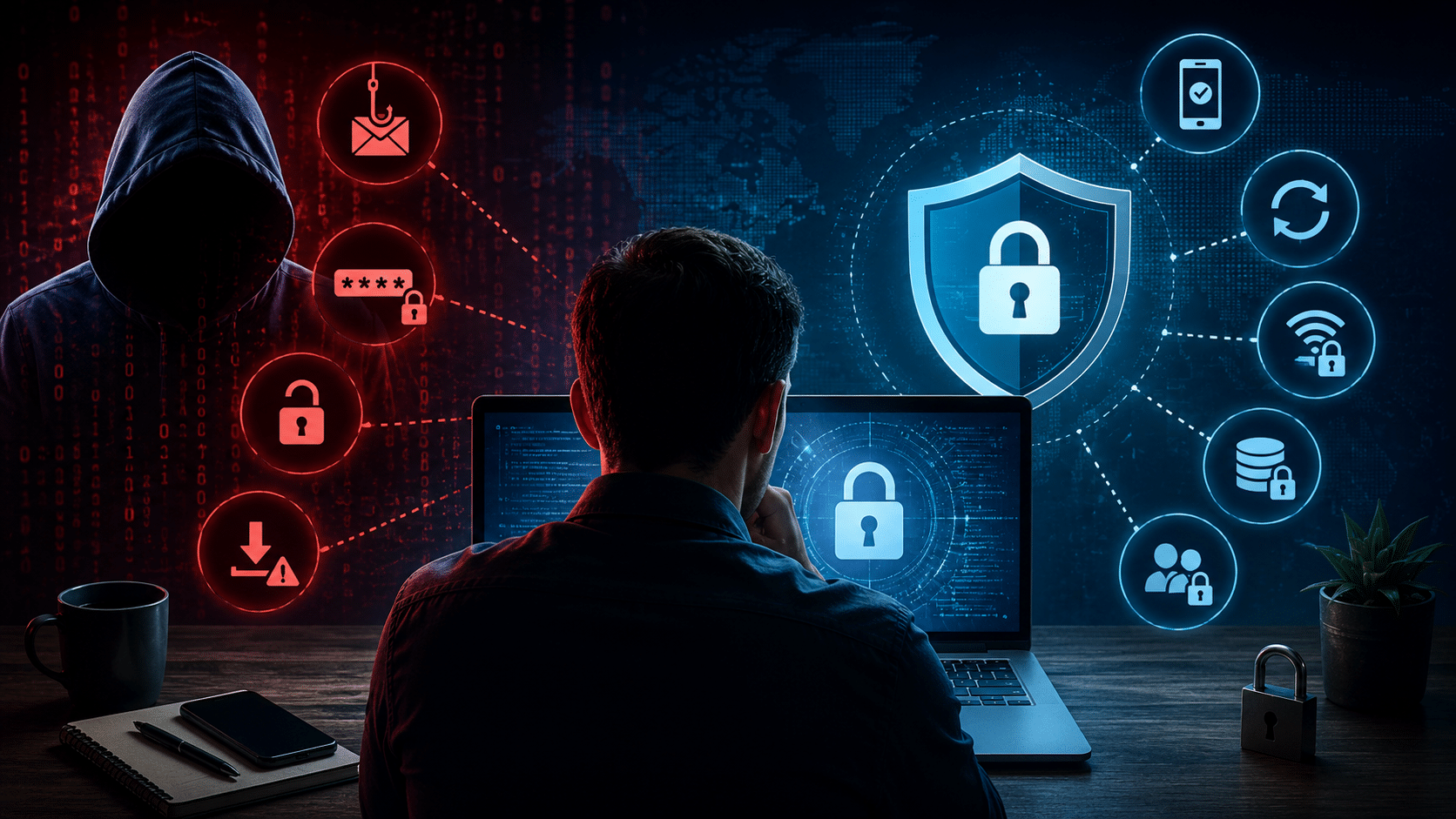
If you have spent any time online, you probably heard of a VPN. A VPN, or Virtual Private Network, is a tool that helps to keep your online activity private and secure. There are many different benefits of using a VPN, and each can be helpful. For you to better understand whether getting a VPN is right for you, this article will explore each benefit and why it might be worth it for you to have.
How A VPN Works

As mentioned in the introduction, a VPN is a tool that allows you to send and receive data securely and anonymously over the internet. When you connect to a VPN server, your traffic is encrypted and routed through that server. No one can see what you’re doing online or identify your location. A VPN also hides your IP address, the unique identifier assigned to your device by your ISP, which makes it difficult for websites and advertisers to track you online. In addition, a VPN can bypass internet censorship and geo-restrictions.
A VPN is a versatile tool that can provide many benefits. Connecting to a server in a different country allows you to access content that may be blocked in your own country. For example, traveling to China, you can use a VPN to access Google, YouTube, and other blocked websites. However, choosing a reputable VPN service with strong security features is essential. Otherwise, you could be putting your privacy at risk.
The Benefits Of Using A VPN
And while you may think that a VPN is only useful for people trying to hide their online activity, that’s not the case. Using a VPN has many benefits, even if you aren’t doing anything illegal. When it comes to the benefits of using a VPN, there are several. Here are some of the major ones:
Avoid Data Throttling

Your ISP can see everything you do online when you use the internet. They can track which websites you visit, how long you spend on them, and what kind of content you’re viewing. They can also see when you’re downloading or uploading data and how much data you’re transferring. Based on this information, your ISP can decide to throttle your connection. Throttling is when your ISP slows down your internet speed to conserve bandwidth or manage traffic congestion. However, throttling can also prevent your ability to enjoy certain online activities deliberately.
For example, if your ISP knows that you like to stream video content, they may throttle your connection to make it more difficult (and annoying) for you. Using a VPN can prevent data throttling by encrypting your traffic and hiding your online activity from your ISP, which makes it impossible for them to see what you’re doing online; therefore, they can’t throttle your connection. As a result, a VPN is an effective way to avoid data throttling and enjoy a better internet experience overall.
Escape Censorships In Other Countries

In today’s connected world, it’s essential to be able to access information freely and without censorship. However, in many countries, government authorities strictly control what people can say and see online. As a result, citizens of these countries are often cut off from the rest of the world, unable to learn about different cultures or share their ideas and experiences. A VPN, or virtual private network, offers a way to bypass these censorships. By encrypting all data that passes through the network, a VPN prevents anyone from seeing what websites you visit or what you say online.
In addition, a VPN can also allow you to connect to servers in other countries, giving you access to a wider range of information. As more and more people rely on the internet for communication and education, VPNs offer an essential tool for circumventing censorship and preserving freedom of expression.