The Internet of Things (IoT) has revolutionized how we interact with our homes, bringing cutting-edge convenience to daily life. From smart lights to voice-activated assistants, IoT allows you to control your environment effortlessly with just a smartphone or a simple command. For those new to home automation, the idea of connecting devices might seem intimidating, but it doesn’t have to be. By understanding the basics and starting small, anyone can embrace IoT and enjoy the benefits of a smarter, more efficient home. This guide will walk you through the fundamentals and help you take your first steps into automating your home.
Contents
- 1 What Is IoT and How Does It Work in Home Automation?
- 2 Essential IoT Devices for a Smart Home
- 3 Choosing the Right Ecosystem for Your Home
- 4 Setting Up Your First IoT Device
- 5 Automating Everyday Tasks with IoT
- 6 Ensuring IoT Security and Privacy
- 7 Expanding Your IoT Ecosystem Over Time
- 8 Discover the Power of Automation
What Is IoT and How Does It Work in Home Automation?

IoT, or the Internet of Things, refers to a network of devices that communicate with each other through the Internet to simplify tasks and improve functionality. These devices range from smart plugs that control appliances to security cameras that monitor your home remotely. What makes IoT special is its ability to turn ordinary gadgets into intelligent tools that respond to your needs in real-time. This interconnected technology makes managing your home more seamless than ever before.
The key to IoT’s success lies in the communication protocols that enable devices to exchange data. Most IoT systems use Wi-Fi, Bluetooth, or Zigbee to operate, ensuring that your smart devices are always connected. Ecosystems like Amazon Alexa, Google Assistant, or Apple HomeKit act as central hubs, making it easy to control multiple devices from one platform. Understanding these protocols is essential for creating a unified and efficient smart home system.
Essential IoT Devices for a Smart Home
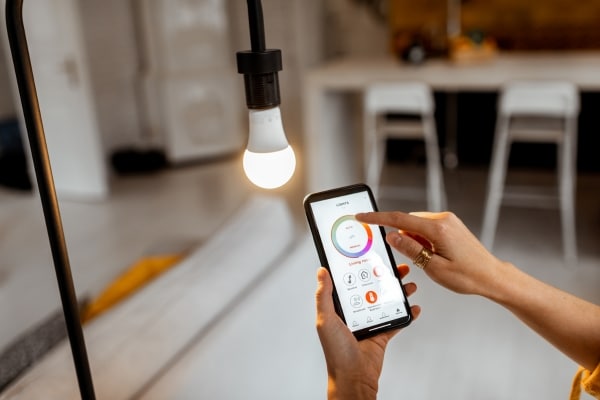
To start your smart home journey, begin with basic IoT devices that offer the most value. Smart plugs, for example, let you turn ordinary electronics into automated ones with remote controls and scheduling. Smart lighting allows you to adjust brightness and color to match your mood or save energy when not in use. Thermostats, like those from Nest or Ecobee, learn your habits and optimize your home’s climate for comfort and efficiency.
Security-focused devices are another must-have for smart home beginners. Video doorbells, smart locks, and motion sensors help protect your home while providing convenience and peace of mind. For example, a video doorbell can show you who’s at the door even when you’re not home. Combining these devices enhances your home’s security while integrating them into a single system makes management a breeze.
Choosing the Right Ecosystem for Your Home

Selecting the right IoT ecosystem is one of the most important decisions when automating your home. Ecosystems like Amazon Alexa, Google Assistant, or Apple HomeKit serve as the foundation for your smart home, determining device compatibility and user experience. Each ecosystem offers unique features, so it’s essential to consider your needs and preferences. A well-chosen ecosystem simplifies your setup and ensures seamless device integration.
When evaluating ecosystems, consider factors like voice assistant capabilities, app usability, and third-party device support. For instance, Amazon Alexa is known for its vast compatibility, while Apple HomeKit emphasizes privacy and ease of use. By researching and comparing ecosystems, you can ensure your choice aligns with your goals and future expansion plans. A cohesive ecosystem will save you time, frustration, and unnecessary spending in the long run.
Setting Up Your First IoT Device

Setting up your first IoT device is an exciting step toward automating your home. Begin with a simple device like a smart plug, which allows you to control lamps or appliances remotely. Setup usually involves downloading a dedicated app, connecting the device to your Wi-Fi network, and pairing it with your ecosystem. Following the provided instructions carefully will help ensure a smooth installation process.
Even with clear instructions, you might encounter common setup challenges, such as connectivity errors or device pairing issues. Resolving these often involves troubleshooting steps like rebooting your Wi-Fi router or ensuring your device is running the latest firmware. Don’t be discouraged—mastering setup becomes easier with each new device. As you gain confidence, you’ll find adding more IoT devices to your home both rewarding and empowering.
Automating Everyday Tasks with IoT

One of the greatest advantages of IoT is its ability to automate daily tasks, saving time and effort. Automation features like schedules and triggers allow devices to operate independently based on your preferences. For example, smart lighting can turn off automatically when you leave the house, or a smart coffee maker can start brewing at a set time each morning. These small conveniences can make your routines more efficient and stress-free.
Advanced features like geofencing take automation a step further by using your location to activate specific tasks. For instance, a thermostat can adjust the temperature as you approach home, ensuring comfort the moment you walk in. Similarly, smart locks can automatically secure your doors when you leave a designated area. By combining automation with your lifestyle, IoT devices create a personalized and seamless experience that enhances your daily life.
Ensuring IoT Security and Privacy

While IoT brings convenience, it’s crucial to address potential security and privacy risks. Poorly secured devices can become vulnerable to hacking, exposing your personal data, or even allowing unauthorized access to your home. A secure network and responsible device management are key to protecting your IoT ecosystem. Recognizing these risks and taking proactive measures can ensure a safer smart home experience.
Start by using strong, unique passwords for each device and enabling two-factor authentication where available. Regularly updating your device firmware is also critical, as updates often fix security vulnerabilities. Additionally, consider investing in a reputable firewall or virtual private network (VPN) to safeguard your network. Taking these precautions will give you peace of mind and allow you to enjoy the benefits of IoT without compromising your privacy.
Expanding Your IoT Ecosystem Over Time

Once you’re comfortable with a few basic IoT devices, you can start expanding your ecosystem to cover more aspects of your home. Begin by identifying areas where automation can further improve convenience, such as integrating smart irrigation for your garden or adding a smart speaker to enhance your entertainment setup. Gradual expansion helps you avoid feeling overwhelmed while ensuring you invest in devices that truly add value.
When adding new devices, compatibility with your existing ecosystem should be your top priority. Ensure any new purchase integrates seamlessly with your current hub or voice assistant to maintain a cohesive system. Planning for future scalability by choosing devices with broad compatibility can save you time and money down the line. With a thoughtful approach, you can build a robust IoT ecosystem that evolves with your needs and enhances every aspect of your home.
Discover the Power of Automation
Taking the first steps into IoT home automation can feel like a leap into the future, but it’s more accessible than ever. With the right devices and a thoughtful approach, transforming your home into a smart, automated space is both exciting and rewarding. Each new addition to your IoT ecosystem adds convenience, comfort, and security to your daily life. By starting small and building over time, you’ll find that creating a connected home is easier than you ever thought possible.