Contents
Hidden Cameras and Video Surveillance

Smartphone cameras are another avenue for potential spying, particularly when malicious apps gain unauthorized access. Hackers and spyware can manipulate devices to record videos or take photos without alerting the user. In some instances, spyware has been used to gather compromising footage for blackmail or fraud. While these scenarios may seem extreme, the possibility of such breaches emphasizes the need for vigilance.
To reduce risks, users should scrutinize app permissions and avoid downloading applications from unverified sources. Additionally, using camera covers or blocking lenses when the camera isn’t in use adds an extra layer of security. These simple steps can protect sensitive information from falling into the wrong hands.
The Wi-Fi and Bluetooth Connection Problem
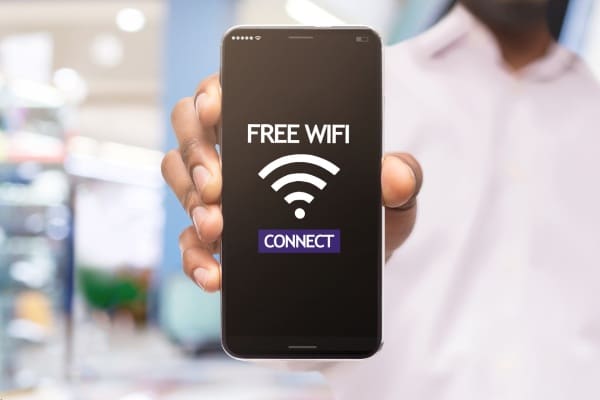
Public Wi-Fi and Bluetooth networks present significant privacy risks for smartphone users. Connecting to unsecured networks exposes devices to potential hacking, allowing bad actors to intercept data such as emails, passwords, and payment information. Auto-connecting to public networks amplifies the risk, as many users remain unaware of who might be monitoring their activity.
Bluetooth, though often overlooked, can also be exploited for tracking purposes. Retailers, for example, use Bluetooth beacons to monitor customer movements within stores. Disabling auto-connect features for both Wi-Fi and Bluetooth can significantly reduce these risks. Users should also rely on secure virtual private networks (VPNs) for added protection when using public internet connections.
Keylogging and Typing Surveillance

Keylogging, a form of cyber surveillance, involves tracking every keystroke made on a smartphone. Malicious software or compromised apps can secretly record passwords, messages, and other sensitive inputs. This information is then sent to hackers or cybercriminals who can exploit it for financial gain or identity theft.
Many users fall victim to keyloggers without realizing it, especially if they download apps from unofficial app stores or click on suspicious links. Avoiding untrusted apps and keeping devices updated with the latest security patches can help minimize this threat. Awareness is key to preventing keylogging attacks from compromising sensitive data.
Data Mining Through Social Media and Messaging Apps

Social media and messaging platforms are notorious for collecting user data under the guise of improving user experiences. Platforms like Facebook, Instagram, and WhatsApp analyze user activity to create detailed behavioral profiles. Even encrypted messaging apps often collect metadata, including time stamps and recipient details, to understand communication patterns.
The data collected from these platforms is often used for targeted advertising, but it also raises questions about consent and privacy. Users can safeguard their information by adjusting privacy settings, limiting the data shared on these platforms, and opting for apps with stronger data protection policies.
Your Smartphone’s Hidden Spies: Built-in Sensors

Few users consider the role of built-in sensors like gyroscopes, accelerometers, and proximity sensors in data collection. These sensors, while critical for various phone functions, can also be exploited to gather detailed insights into user behavior. For example, movement patterns tracked by accelerometers can reveal walking habits or even estimate typing patterns.
Although these sensors don’t require explicit permissions to operate, the data they collect can still be analyzed by advanced algorithms to infer sensitive details. Limiting the use of apps that rely heavily on sensor data and monitoring app permissions can help mitigate these risks.
Protecting Your Digital Privacy in a Smartphone World
Understanding the many ways smartphones can spy on users is the first step toward reclaiming privacy in the digital age. By being aware of the risks posed by microphones, cameras, apps, and sensors, users can take actionable steps to limit exposure. Adjusting permissions, securing connections, and being cautious about the apps installed are effective measures to reduce privacy risks. Smartphones may continue to be essential tools, but users hold the power to decide how much of their data is shared. Awareness and proactive habits ensure that technology works for users, not against them.