Smartphones have become indispensable tools in modern life, keeping users connected, informed, and entertained. However, the same devices that simplify tasks and provide convenience may also act as silent spies, collecting personal information without users’ full awareness. Many smartphone users remain unaware of how their devices are capable of monitoring conversations, tracking locations, and even accessing sensitive data stored on the phone. With technology advancing rapidly, companies and third parties are finding creative ways to gather data for targeted advertising and other uses. This article uncovers the surprising ways smartphones are spying on users, offering insights into how privacy is being compromised in the digital age.
Microphones That Never Sleep
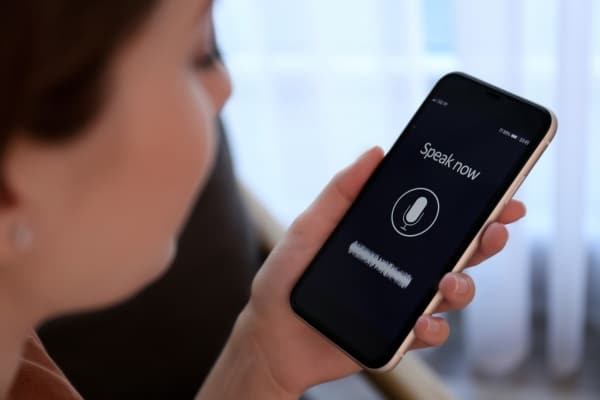
The microphones in smartphones are often the most underestimated tools for surveillance. While voice assistants like Siri, Alexa, and Google Assistant offer convenience, they rely on always-listening microphones to function. This means the microphone can activate when certain “wake words” are detected, but the line between intentional and unintentional activation is often blurred. In some cases, these devices have been known to record conversations even without explicit user commands.
Moreover, the collected audio data doesn’t always stay on the device. It is often sent to cloud servers for analysis, where companies claim it is used to improve services. However, concerns arise when snippets of recorded conversations are stored or analyzed for purposes beyond user intent. To protect privacy, smartphone users can disable voice assistants or adjust microphone permissions for apps, ensuring better control over what their devices can hear.
Apps That Track You in the Background

Many smartphone users unknowingly grant apps extensive permissions during installation, allowing them to collect data even when not actively used. Apps that run in the background often track a user’s activities, from browsing history to location details. These permissions enable developers to gather data that can later be sold to advertisers or third-party companies, often without the user realizing the extent of the surveillance.
This type of tracking is especially concerning with lesser-known or free apps, which often rely on data collection as their primary revenue source. Users can minimize exposure by regularly reviewing app permissions, removing unnecessary apps, and being selective about what apps are installed. Taking these proactive steps ensures that personal data doesn’t end up in the hands of unknown entities.
GPS: The All-Seeing Eye
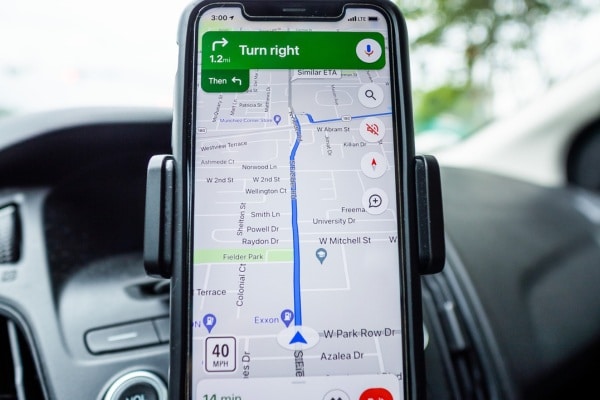
Smartphones use GPS technology to provide helpful services like navigation and location-based recommendations, but this feature can also be used to track users around the clock. Even when location services appear to be turned off, many devices continue to collect location data through other means, such as Wi-Fi or Bluetooth connections. This constant monitoring allows companies to create detailed profiles based on where users go, what they do, and how frequently they visit certain locations.
Advertisers benefit significantly from this data, using it to target consumers with hyper-personalized ads. Additionally, third-party companies often purchase location data for analysis, raising serious concerns about how this information could be exploited. Users looking to limit tracking should disable location permissions for non-essential apps and avoid connecting to unsecured networks.