Contents
Intelligent Kitchen Appliances

The kitchen, often considered the heart of the home, has not been left behind in the smart home revolution. Intelligent kitchen appliances, such as refrigerators that can track inventory and expiration dates and ovens that can be preheated remotely, are changing how we approach cooking and food storage. These appliances offer convenience and contribute to reducing food waste and energy consumption, aligning with a more sustainable lifestyle.
Investing in smart kitchen appliances should weigh the initial cost against the long-term benefits of convenience, efficiency, and potential savings. For instance, a refrigerator that suggests recipes based on the current inventory can simplify meal planning and reduce the frequency of grocery shopping trips. As manufacturers continue to innovate, the future of the kitchen looks set to be more intelligent and more intuitive, making cooking and food management a truly high-tech experience.
Smart Home Hubs and Controllers
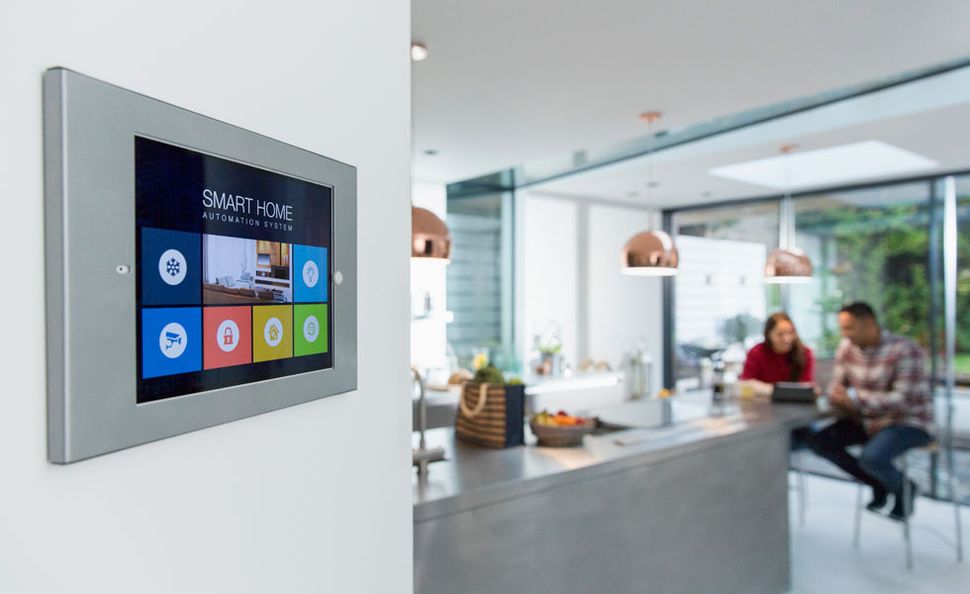
Centralizing control of smart home devices through a hub or controller simplifies the management of the technology-filled home, offering a single point of access for all devices. This consolidation enhances convenience and improves the efficiency of the smart home ecosystem, allowing for smoother operation and interoperability among different devices. Choosing the right hub involves considering the range of devices it supports, its compatibility with various communication protocols, and its security features.
Security is particularly crucial for smart home hubs, as they often handle sensitive information and control access to the home. Opting for hubs that offer robust encryption and regular software updates can mitigate risks and protect the smart home network from potential vulnerabilities. With the appropriate hub, users can enjoy a harmonious and secure smart home environment where convenience and control are at their fingertips.
Automated Cleaning Devices

The advent of automated cleaning devices, such as robotic vacuums and mops, has introduced a new level of convenience into home maintenance. These devices navigate the home independently, cleaning floors without manual intervention. With features like programmable schedules, mapping capabilities, and obstacle detection, they offer a hands-off approach to keeping a home clean, saving time and effort.
When choosing an automated cleaning device, considerations should include the size and layout of the home, the type of surfaces to be cleaned, and the device’s battery life. Devices equipped with smart navigation and the ability to handle various floor types offer the most flexibility and efficiency. As technology advances, these devices are becoming increasingly capable, promising to make the chore of cleaning a thing of the past.
Energy Management Systems

Energy management systems provide a comprehensive solution for monitoring and controlling the energy consumption of a smart home. These systems give homeowners a detailed insight into their energy usage patterns, allowing for informed decisions about energy consumption. By identifying areas where energy is wasted, homeowners can implement changes that lead to substantial savings and a smaller carbon footprint.
The benefits of integrating an energy management system extend beyond financial savings to include environmental conservation. By optimizing energy use, these systems contribute to reducing greenhouse gas emissions, aligning personal convenience with ecological responsibility. As awareness of environmental issues grows, energy management systems will likely become indispensable to the smart home ecosystem, representing a commitment to sustainability and efficiency.
Embracing The Transformative Power of Smart Home Upgrades
The horizon of smart home technology is brimming with innovations designed to enhance our living spaces. From voice-controlled assistants to energy management systems, each upgrade offers a unique blend of convenience, security, and sustainability. As we embrace these technologies, our homes become more connected, intelligent, and tailored to our lifestyles. The future of smart homes is not just about automation but about creating environments that respond to our needs, conserve resources, and elevate our quality of life. In this dynamic landscape, the potential for transformation is limitless, promising a future where our homes are not just places we live but partners in our daily lives.