Contents
Secure Use Of Social Media

Social media platforms have become a key part of our daily lives, but they also pose significant online security risks. Cybercriminals often exploit these platforms to gather personal information or spread malicious links. The key to safe social media use is exercising caution with what you share and being aware of your privacy settings.
Ensure you understand the privacy policies of any platform you use and restrict who can see your posts. Be wary of friends or follow requests from people you don’t recognize. Avoid clicking on suspicious links, even if they come from known contacts, as their account might have been compromised. Lastly, regularly review and update your privacy settings to maintain control over who can see your information.
Importance Of Software Updates

Software updates often include patches for security vulnerabilities that have been discovered since the last version. Therefore, ignoring or delaying these updates can leave your devices vulnerable to cyber-attacks. Cybercriminals exploit these known vulnerabilities, making out-of-date software a primary target for attacks.
Make it a habit to install updates as soon as they’re available. To make this easier, enable automatic updates wherever possible. This applies not only to your operating system but also to applications, web browsers, and antivirus software. Remember that updating your software is a simple yet effective way to safeguard your online security.
Protecting Your Personal Wi-Fi Network

Unsecured Wi-Fi networks are an easy target for cybercriminals. They can infiltrate these networks to steal information, distribute malware, or even hijack your devices. Therefore, protecting your personal Wi-Fi network is crucial for online security.
Secure your Wi-Fi network by setting a strong, unique password for your Wi-Fi network, different from the default one provided. Enable WPA3 encryption if your router supports it, as it’s currently the strongest level of security available for Wi-Fi. Also, regularly update your router’s firmware to ensure it has the latest security patches.
The Role Of Antivirus Software
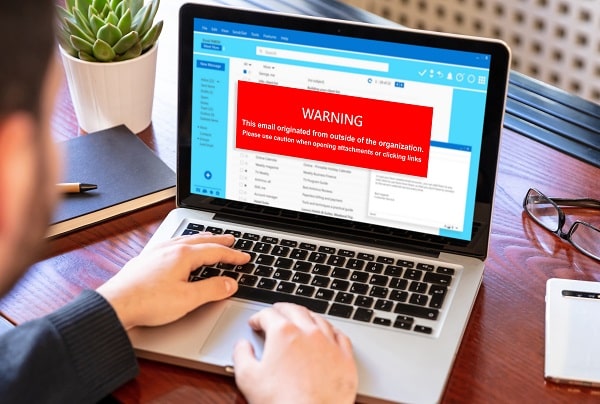
Antivirus software plays a crucial role in safeguarding your devices against malware attacks. It operates by scanning your files and systems for known malicious patterns, alerting you to any potential threats, and quarantining or deleting harmful files. Its importance in today’s digital landscape cannot be understated as new malware threats emerge daily.
When selecting antivirus software, look for solutions that offer real-time protection, regular updates, and comprehensive coverage against a range of threats. A good antivirus should be able to protect against viruses, trojans, ransomware, and phishing attacks. Regularly update your antivirus software to ensure it can effectively combat the latest threats.
Understanding Data Breaches

A data breach occurs when unauthorized individuals gain access to confidential data, usually stored within a corporation’s database. This data can include personal information like names, email addresses, and even credit card details. Data breaches can have severe consequences, both for individuals and companies, leading to identity theft and substantial financial loss.
If your data has been compromised in a breach, take immediate steps to protect yourself. This can include changing your passwords, monitoring your financial accounts for suspicious activity, and setting up fraud alerts. It’s also wise to use a reputable identity monitoring service, which can alert you to any unauthorized use of your personal information.
Protecting Children Online

In the digital age, children are exposed to the online world at an early age, making them vulnerable to various online threats. It’s crucial to educate children about online safety and set rules for internet users to protect them from harmful content, cyberbullying, and online predators. You should also encourage your children to share their online experiences with you.
Make them aware of the dangers of sharing personal information and the importance of strong passwords. Set up parental controls to restrict access to inappropriate content and monitor their online activities. Remember, protecting children online is a joint effort that involves guidance, education, and the use of appropriate tech tools.
The Future Of Online Security

The world of online security is ever-evolving, with new threats emerging as quickly as new advancements in technology. Future threats may involve more advanced forms of phishing, AI-driven attacks, and exploits targeting new technologies like the Internet of Things (IoT) and 5G networks.
Staying updated on the latest security measures and threats is an ongoing task. It requires regular education and a proactive approach to implementing new security measures. However, by taking the steps outlined in this blog post, you can lay a strong foundation for your online security that can adapt to future threats.
Start Taking Control Of Online Security!
Online security is an essential aspect of digital life. By understanding online threats and using the tips outlined above, you can protect yourself and your family from the dangers of the online world. By staying informed and using appropriate security measures, you can ensure your online experiences are safe, secure, and productive. So what are you waiting for – start taking control of your online security today!