With the rapid advancements in smartphone technology, mobile photography has emerged as a popular and accessible form of artistic expression. No longer confined to professional cameras, stunning photography is now at everyone’s fingertips. Whether you’re capturing memories or building a portfolio, understanding the capabilities of your mobile camera can elevate your images to new heights. In this post, you will explore some pro tips that can help you on the journey of mastering mobile photography and transforming your mobile shots into breathtaking visuals.
Contents
Getting To Know Your Mobile Camera

The anatomy of a smartphone camera is fascinating. With features such as adjustable aperture, varied ISO levels, and customizable shutter speed, the modern smartphone camera is a powerful tool. By exploring these essential elements, users can harness the full potential of their devices. Knowing your camera well ensures that you utilize its capabilities fully, thus turning ordinary snapshots into captivating photographs.
Beyond the hardware, it’s important to understand the software that drives your camera. Many smartphones come equipped with sophisticated algorithms that optimize picture quality. Features such as auto-focus, image stabilization, and HDR can make a significant difference in your photos. Familiarizing yourself with these software-driven aspects allows you to take control of your mobile photography, producing images that reflect your vision and creativity.
Composing Your Shots
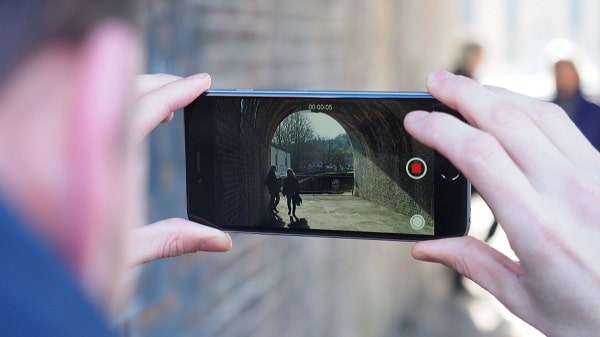
Composition is the cornerstone of compelling photography. Applying the Rule of Thirds can bring balance and interest to your shots. This rule involves dividing the image into nine equal parts and placing the subject at the intersections. Experimenting with angles and perspectives can also add depth and uniqueness to your photos. Keeping these principles in mind will assist in crafting visually appealing images.
Lighting also plays a crucial role in photography, and it’s no different in mobile photography. The quality of light can change the mood and impact of the image. Natural light offers a soft and pleasing effect, while artificial lighting can add drama and intensity. Learning how to work with various light sources will enable you to produce images that resonate with your intended message and emotion.
Using Camera Modes And Settings
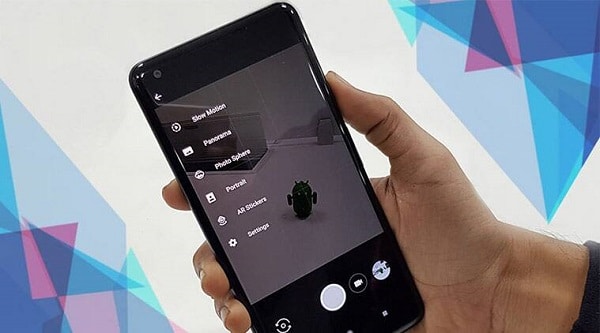
Modern smartphones come with various camera modes that cater to different photography styles. Whether it’s Portrait mode for beautiful depth effects or Landscape mode for sweeping vistas, understanding when and how to use these modes enhances your creativity. If available, the Pro mode gives you complete control over the camera’s settings, allowing for manual adjustments that can lead to stunning results.
However, the settings on your smartphone camera aren’t just for advanced users. Tweaking settings like exposure compensation, white balance, or even selecting specific focus points can dramatically change the look and feel of your images. These settings provide a way to fine-tune your shots, giving you more control and personalization. Familiarize yourself with these options, and don’t be afraid to experiment, as this exploration will help you master the art of mobile photography.
Focus And Exposure

Mastering focus and exposure can turn a good photograph into a great one. Using autofocus is often sufficient for most scenarios, but there are times when manually focusing on a specific part of the scene can produce a more artistic and controlled effect. Combining this with adjusting exposure can lead to well-balanced images, where both shadows and highlights are controlled to the photographer’s vision.
Exposure isn’t just about brightness; it’s about emotion and storytelling. Overexposing a shot might create a dreamy effect, while underexposure can add mystery or moodiness. These creative decisions can help your photographs stand out, and knowing how to control focus and exposure on your smartphone will enable you to make these decisions with confidence and creativity.
The Importance Of Editing
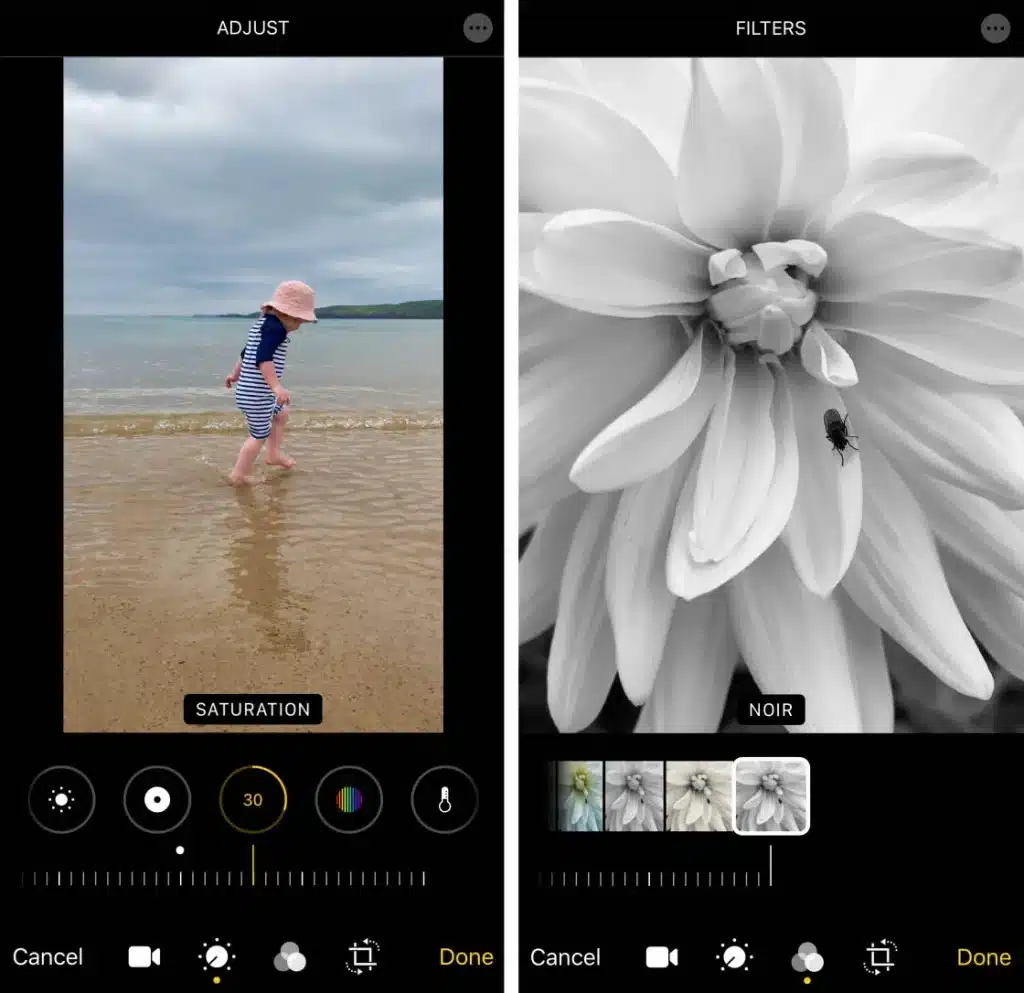
Editing is not about manipulation but an enhancement. Mobile photography often benefits from some post-processing to bring out the full potential of a shot. This might include adjusting contrast, saturation, sharpness, or even cropping to improve composition. Many smartphones include powerful in-camera editing tools, but third-party apps can provide even more options and flexibility.
Post-processing is part of the creative process, allowing the photographer to put their personal touch on an image. This doesn’t mean over-editing but using editing tools to enhance and refine what you captured in-camera. Understanding basic editing techniques and having a clear vision of what you want to achieve can turn an ordinary image into something extraordinary.