Contents
Camera Capabilities
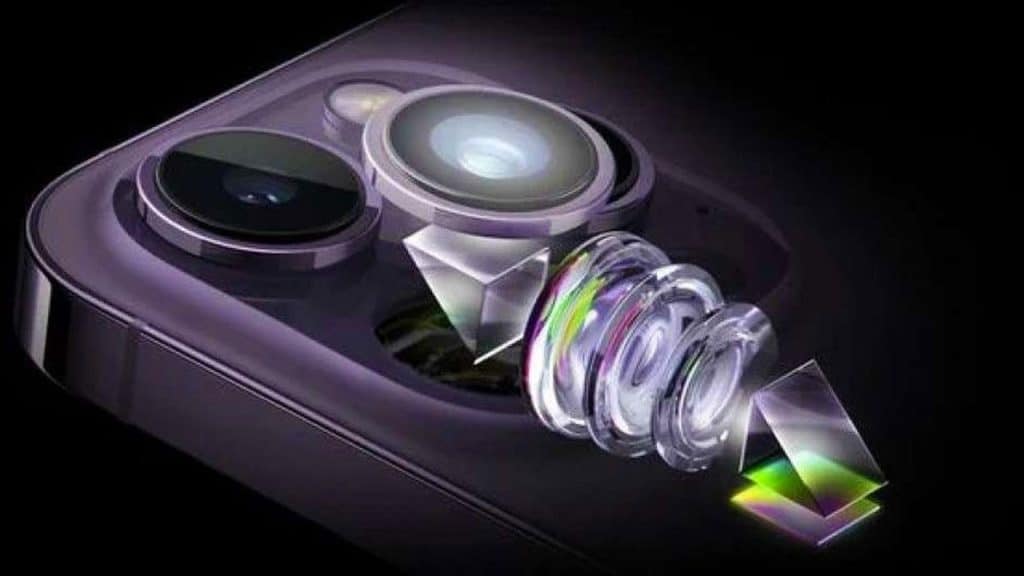
While not revolutionary, the iPhone 15’s camera system offers a reliable and high-quality photography experience. The primary 48 MP camera, backed by a 12 MP ultrawide lens, provides versatility and clarity in various shooting conditions. However, the absence of a telephoto lens is a significant limitation, especially for users who frequently rely on optical zoom for capturing distant subjects. This constraint underscores the iPhone 15’s positioning as a generalist device rather than a specialized tool for photography enthusiasts.
Apple’s approach to camera software continues to be a defining factor. The new Portrait mode in the iPhone 15, which allows post-capture adjustments to the depth of field, showcases Apple’s emphasis on software-driven photography enhancements. This feature, coupled with the phone’s adept handling of color and light, results in images that are not only sharp but also artistically pleasing. Nevertheless, the iPhone 15’s tendency to favor certain color tones over others can be a double-edged sword. While it often enhances the overall aesthetic of the photos, it may sometimes lead to less accurate color representation compared to competitors like the Pixel 7, which tends to offer a more neutral color balance.
Battery Life and Charging
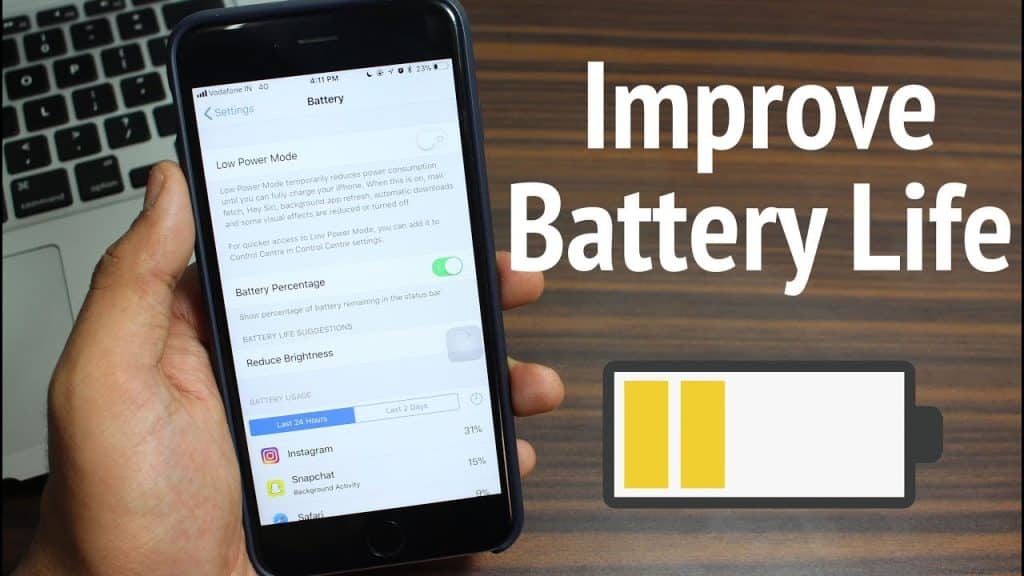
Battery performance in the iPhone 15 represents a significant leap forward, particularly in the context of its predecessors and competing Android devices. Users can expect substantial endurance from the device, with the smaller iPhone 15 model demonstrating the capability to last nearly three full days on mixed usage. This endurance is a notable improvement, especially compared to the less impressive battery life of the Pixel 7. The iPhone 15’s stamina in this area is a compelling reason users prioritize battery life in their smartphone choice.
The adoption of USB-C for charging is a welcome change, aligning the iPhone with the broader trend in the smartphone industry. This shift facilitates easier cable management and compatibility with other devices and represents Apple’s move toward standardization. However, it’s important to note that the iPhone 15’s USB-C port is limited to USB 2.0 speeds, which affects data transfer and charging rates. While this may not be a deal-breaker for most users, it is an aspect where the iPhone 15 lags behind some of its competitors, which offer faster USB 3.2 capabilities.
Software and Ecosystem
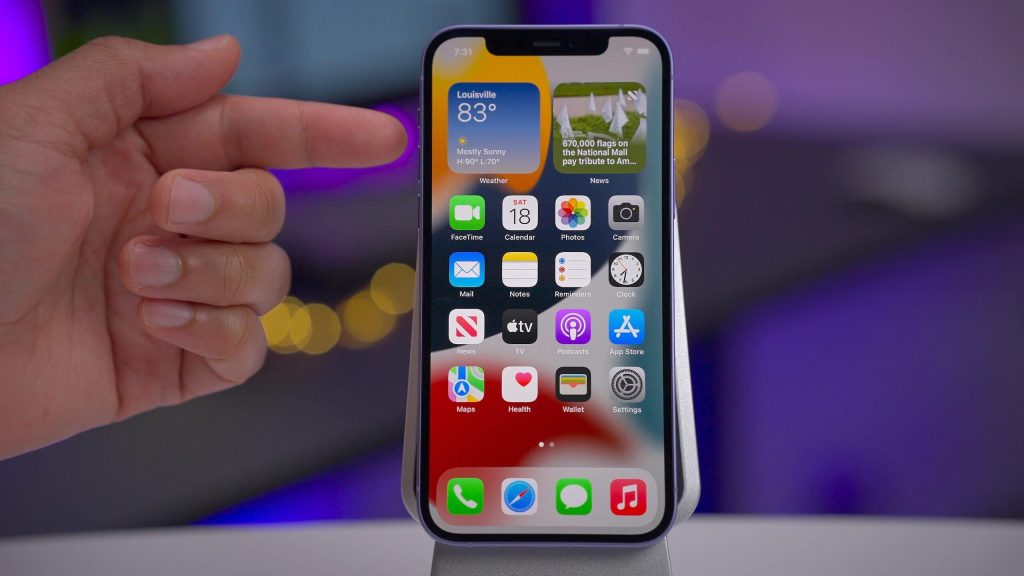
The iPhone 15 benefits immensely from Apple’s tightly integrated ecosystem. Users of other Apple products will find seamless connectivity and synchronization across devices, a hallmark of the Apple experience. This ecosystem advantage is a significant factor for users already invested in Apple’s range of products, as it enhances the overall usability and functionality of the iPhone 15.
On the software front, iOS offers a polished and user-friendly experience, with regular updates that keep the device secure and up-to-date with the latest features. The operating system’s optimization for the iPhone 15’s hardware ensures smooth and efficient performance. However, it’s worth noting that this tightly controlled ecosystem can sometimes feel restrictive compared to the more customizable nature of Android, which might be a consideration for users who prefer greater flexibility in their device’s software.
Price Analysis
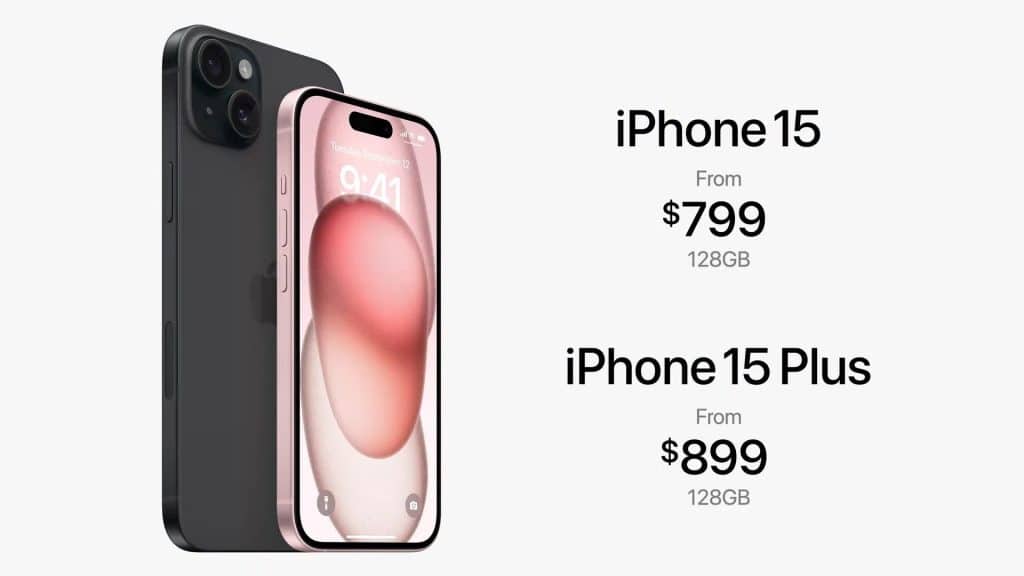
Evaluating the iPhone 15’s worthiness against its price tag is a nuanced exercise. Starting at $800, the iPhone 15 is positioned as a premium device, yet it lacks certain features available in the Pro models or even some Android competitors at similar price points. The price may seem steep for users seeking cutting-edge technology and the best possible specifications, especially considering the absence of a telephoto lens and the lower refresh rate display.
Conversely, for users upgrading from older iPhone models or those who value the reliability and consistency of Apple’s offerings, the iPhone 15 presents a substantial upgrade in terms of performance, camera capabilities, and battery life. The enhanced storage options and USB-C integration also add to its value proposition. In this context, the iPhone 15 may justify its cost, offering a balanced blend of modern features and trusted Apple quality.
The Bottom Line
In conclusion, the iPhone 15 is a solid addition to Apple’s smartphone lineup, albeit not groundbreaking. Its strengths lie in its refined design, robust performance, and improved battery life, all hallmarks of Apple’s commitment to quality. However, its limitations in areas like camera zoom capabilities and display refresh rate, coupled with a premium price tag, might give pause to some potential buyers. Ultimately, deciding to invest in the iPhone 15 will depend on individual priorities: those seeking the latest innovations might look towards the Pro models or competitors, while users desiring a reliable, high-quality Apple experience will find the iPhone 15 a worthy choice.