In the dynamic realm of smartphones, each new release sparks a flurry of debate and comparison. The iPhone 15, Apple’s latest offering, is a testament to the company’s enduring pursuit of innovation and quality. Yet, in a market brimming with formidable contenders, notably the imminent launch of Google’s Pixel 8, the question arises: does the iPhone 15 justify its price tag? This article delves into various aspects of the iPhone 15, juxtaposing it against its predecessors and current competitors, to unravel whether this new device lives up to its hefty expectations and cost.
Design and Aesthetics
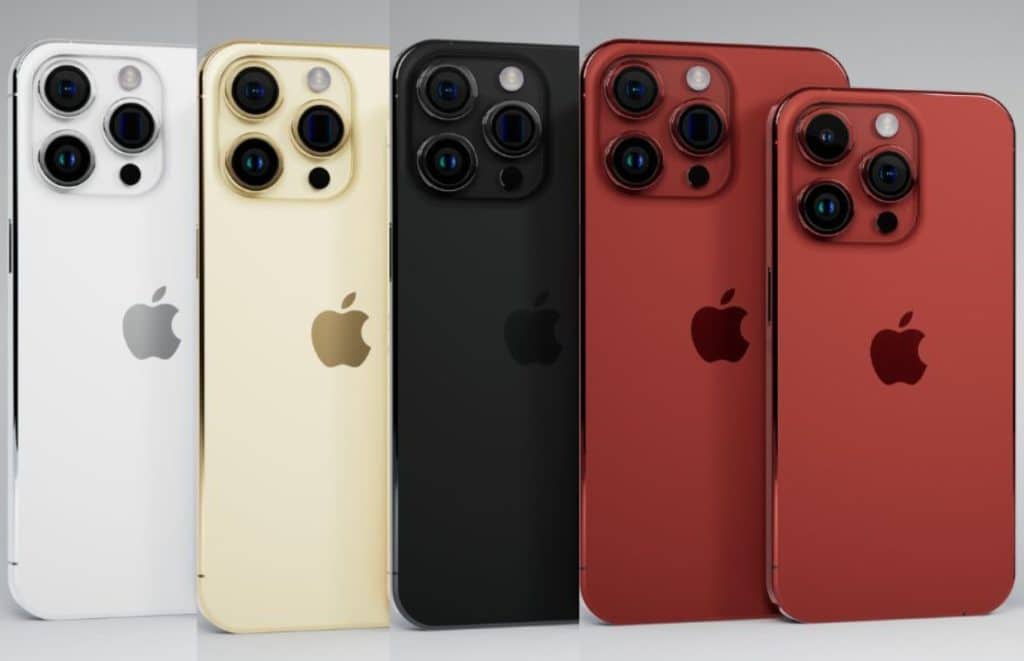
The iPhone 15 heralds a continuation of Apple’s renowned design ethos, blending sleek aesthetics with functional brilliance. This model showcases a refined chassis, integrating a glass back polished with nanocrystalline particles, exuding a premium feel reminiscent of sea-tumbled glass. Such meticulous attention to detail positions it slightly above its predecessors and rivals regarding tactile experience. However, introducing new pastel color options marks a strategic shift, aiming to appease a broader spectrum of consumer preferences. While expanding its appeal, this decision also raises questions about its alignment with Apple’s traditionally minimalist color palette.
Apple’s design choices for the iPhone 15 extend beyond mere looks. The integration of Dynamic Island, a feature first seen in the iPhone 14 Pro, exemplifies a seamless blend of aesthetics and utility. It offers a non-intrusive, interactive way to access notifications and activities, setting a new standard in smartphone design. Yet, these enhancements come with trade-offs. The absence of the Action Button, a feature lauded in the Pro models, and the decision to retain the traditional mute switch might disappoint users seeking the latest innovations in smartphone functionality.
Hardware and Performance
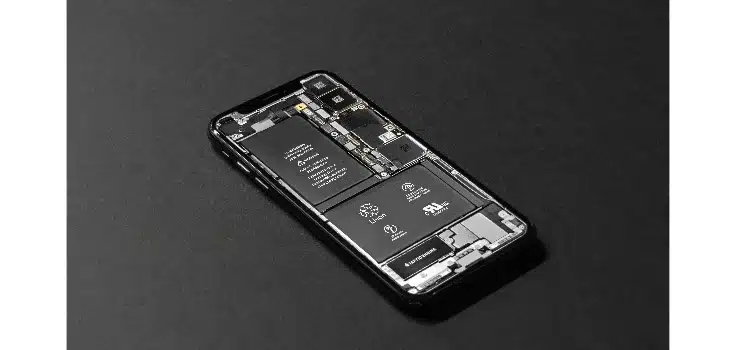
The heart of the iPhone 15’s prowess lies in its A16 Bionic chip, a carryover from the previous year’s Pro models. In benchmark tests, this silicon beast outperforms the latest Android devices, including the Google Pixel 7. Such dominance in processing power is a testament to Apple’s engineering capabilities, ensuring that the iPhone 15 remains a top contender in the smartphone race. However, this leads to an important consideration: is the incremental improvement in performance worth the upgrade for users of recent iPhone models, or does it cater more to those with older devices?
Storage options in the iPhone 15 have seen a significant uplift, with the base model starting at 128GB. This increase is a welcome change, particularly for users who rely heavily on their phones for media consumption and creation. The availability of larger storage capacities up to 512GB addresses the growing demand for space due to high-resolution photography and video recording. This aspect of the iPhone 15 is particularly appealing, considering the growing trend of using smartphones as primary devices for content creation.
Display and User Interface
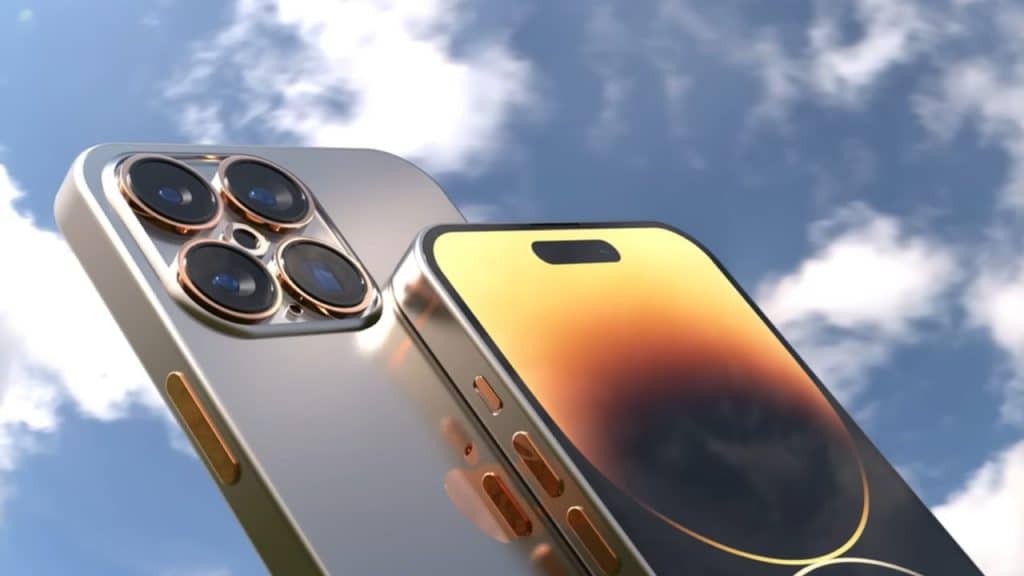
The iPhone 15’s Super Retina XDR display, available in two sizes across the standard and models, offers a vivid and immersive viewing experience. Including the Dynamic Island feature enhances user interaction, making notifications and alerts more integrated and less intrusive. This innovation is a significant step forward in user interface design, demonstrating Apple’s commitment to refining the user experience. However, the display’s 60Hz refresh rate, though sufficient for general use, falls short compared to the smoother 90Hz offered by devices like the Pixel 7. This disparity might be noticeable to users who prioritize display fluidity, especially in activities like scrolling through content or gaming.
The user interface in the iPhone 15 benefits from the seamless integration of hardware and software. iOS continues to offer a polished and intuitive user experience, with enhancements tailored to the new hardware. The Dynamic Island, for instance, is not just a design element but also a functional improvement, making interaction with various apps and features more fluid and natural. However, some users might find adapting to this new interaction method challenging, particularly those accustomed to more traditional notification systems.