Skip to content

How to Protect Your Data in a World Full of Cyber Threats

Cyber threats are growing at an alarming rate, making it more critical than ever to safeguard your personal data. From phishing emails to ransomware attacks, cybercriminals constantly find new ways to exploit vulnerabilities. The consequences of data breaches, such as identity theft, financial loss, and privacy violations, can be devastating and far-reaching. Protecting your information doesn’t have to be complicated, but it does require understanding the threats and taking actionable steps. By learning how to recognize risks, strengthen security, and adopt smart online habits, you can significantly reduce your exposure to cyber dangers and keep your data safe.

Understanding the Cyber Threat Landscape

Protect Your Data in a World Full of Cyber Threats

Cyber threats come in many forms, and each one poses a unique risk to your personal data. Malware, for instance, infects devices and can steal sensitive information or lock you out of your files. Phishing scams lure victims into revealing personal data by impersonating trusted sources, such as banks or email providers. Social engineering, on the other hand, manipulates people into giving away their passwords or security details without even realizing it.

Understanding these threats is the first step to staying safe. For example, ransomware has become a major issue, holding people’s data hostage until they pay hefty fees. Meanwhile, phishing emails continue to evolve, becoming harder to detect as scammers use realistic graphics and language. Knowing how these tactics work can help you identify warning signs and avoid becoming a target.

Strengthening Your Password Security
Protect Your Data in a World Full of Cyber Threats

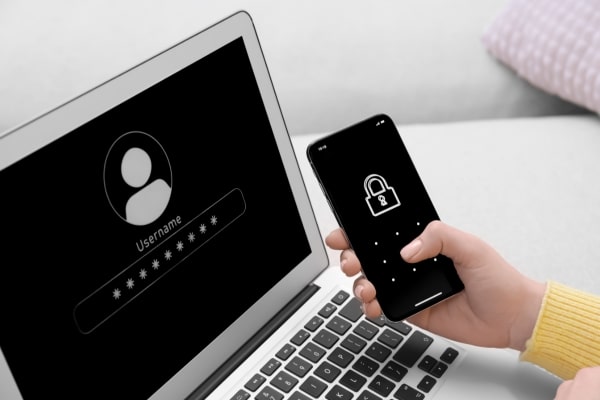
Passwords act as the gatekeepers to your most sensitive information, yet many people still use weak or reused passwords. Simple combinations like “123456” or birthdays are easy for hackers to crack, giving them access to email accounts, bank details, and even social media profiles. A strong password should include a mix of upper and lowercase letters, numbers, and symbols, making it harder to guess. Avoid using common phrases or personal information that someone could easily figure out.

Password managers can make securing your accounts much easier. These tools generate and store complex, unique passwords for each of your accounts, so you don’t need to remember them. Pairing strong passwords with two-factor authentication (2FA) adds another layer of protection. With 2FA, even if someone guesses your password, they’ll need a second verification code sent to your phone or email to gain access.

Recognizing and Avoiding Phishing Scams

Protect Your Data in a World Full of Cyber Threats

Phishing scams remain one of the most widespread and effective methods cybercriminals use to steal information. These scams often appear as emails, text messages, or even phone calls pretending to be from trusted organizations. The goal is to trick you into clicking malicious links, downloading harmful attachments, or providing personal information like passwords or credit card numbers. Spotting phishing attempts can be tricky because scammers often use logos, language, and tone that closely mimic legitimate sources.

To avoid falling victim to phishing, always verify the sender’s identity before clicking on any links or attachments. Pay attention to small details, such as misspellings in the sender’s email address or suspicious language urging immediate action. Hover over links to check where they lead before clicking, and never share sensitive information unless you’re certain of the recipient’s legitimacy. Being cautious and double-checking can prevent you from handing over valuable data to scammers.

Protecting Your Devices with Security Tools

Protect Your Data in a World Full of Cyber Threats

Installing reliable security tools is one of the most effective ways to defend your devices against cyber threats. Antivirus and anti-malware software scan your system for malicious files and prevent them from causing harm. Firewalls act as barriers, monitoring and filtering incoming and outgoing traffic to block unauthorized access. Keeping these tools updated is crucial since cybercriminals are always developing new ways to bypass outdated security systems.

In addition to software, take advantage of built-in security features on your devices. Many operating systems come with tools like Windows Defender or macOS security settings that provide additional layers of protection. Regularly updating your operating system and apps also patches security holes that hackers may exploit. Combining security tools with smart habits, like avoiding suspicious downloads, ensures that your devices remain protected from harmful cyber threats.

Securing Your Internet Connection

Protect Your Data in a World Full of Cyber Threats

An unsecured internet connection can leave your personal data exposed to hackers and cybercriminals. Public Wi-Fi, often found in coffee shops, airports, and libraries, is particularly risky because these networks are usually unencrypted. Cybercriminals can intercept your internet traffic and steal sensitive information like passwords, bank details, and personal messages. Even your home Wi-Fi can be vulnerable if it lacks a strong password or encryption settings, leaving your data at risk.

To protect your internet connection, start by using a Virtual Private Network (VPN) whenever you access public Wi-Fi. A VPN encrypts your traffic, making it unreadable to anyone trying to intercept it. At home, secure your Wi-Fi by setting a strong, unique password and enabling WPA3 encryption, the most secure standard available. Avoid using default router settings, and regularly update your router’s firmware to fix any vulnerabilities hackers could exploit.

Backing Up Your Data Regularly

Protect Your Data in a World Full of Cyber Threats

Backing up your data ensures that even if your information is compromised, you can recover it without major losses. Cyber threats like ransomware can lock you out of your files, while hardware failures or accidental deletions can cause irreversible data loss. Regular backups create copies of your important files so you’re prepared for any unexpected event. Without a backup, recovering lost data can be costly, time-consuming, or even impossible.

There are two main methods for backing up your data: cloud storage and physical backups like external hard drives. Cloud storage services, such as Google Drive or iCloud, allow you to save files online and access them from anywhere. Physical backups provide an additional safety net, especially if you prefer not to rely on the internet. For maximum security, use both methods and schedule automatic backups to ensure your data is always protected.

Staying Informed and Practicing Safe Online Habits

Protect Your Data in a World Full of Cyber Threats

Staying updated on cyber threats and adopting safe online habits is key to protecting your personal information. Cybercriminals continually evolve their tactics, which means staying informed about the latest scams and vulnerabilities is essential. By reading cybersecurity blogs, following tech news, or subscribing to alerts from trusted sources, you can learn about emerging threats and how to avoid them. Awareness is the first step in minimizing risks to your data.

In addition to staying informed, practicing simple habits can significantly improve your data security. Log out of accounts when you’re done using them, especially on shared or public devices, to prevent unauthorized access. Avoid oversharing personal information on social media, as cybercriminals often use these details to craft convincing scams. By combining knowledge with caution, you can strengthen your defenses and make it harder for cybercriminals to target you.

Stay Protected in an Unsafe Digital World

Protecting your data in today’s cyber-threat-filled world requires awareness, smart habits, and the right tools. By implementing simple steps like securing your internet, using strong passwords, and staying informed about emerging risks, you can reduce your vulnerability. Cybercriminals are relentless, but taking action now will safeguard your information and give you peace of mind. Small, consistent efforts can make a significant difference in your online safety. Stay proactive, vigilant, and committed to protecting what matters most—your personal data and privacy.