You’re in the middle of an important call or capturing that perfect photo, and suddenly, your device powers down. Everyone has been there, and it’s frustrating. Learning to maintain battery health isn’t just about convenience; it’s about maximizing the lifespan and performance of your devices. This post aims to be your comprehensive guide to understanding and preserving the battery health of your devices. From debunking common myths to daily charging habits and long-term storage tips, you’ll find actionable advice to keep your batteries in peak condition.
Contents
Understanding Battery Types
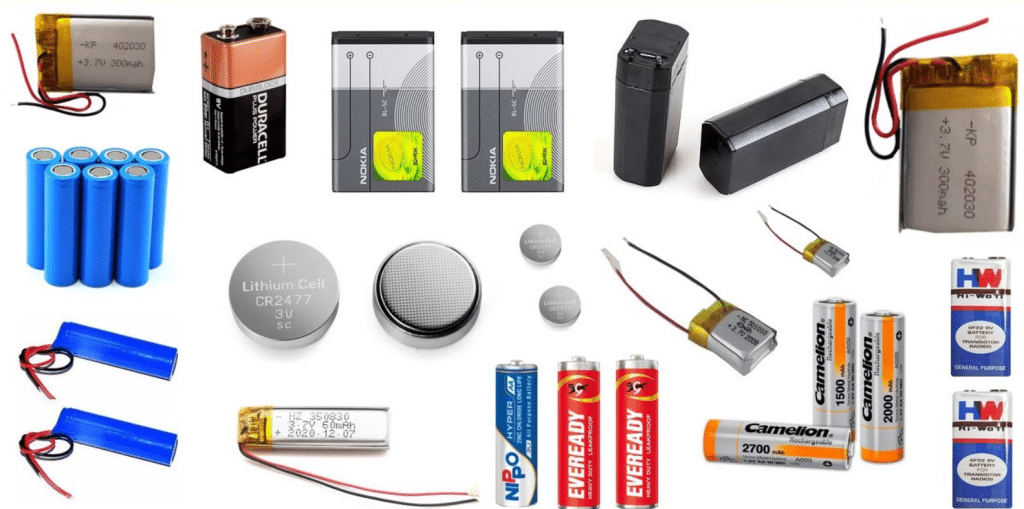
When it comes to batteries, one size doesn’t fit all. Different devices use different types of batteries, such as Lithium-ion, Nickel-Cadmium, and Alkaline. Each of these types has its own set of characteristics, including charging cycles, lifespan, and optimal storage conditions. Knowing the type of battery you’re dealing with is the first step in effective maintenance.
Why does the type of battery matter? Well, each battery type responds differently to charging and discharging patterns. For instance, Lithium-ion batteries are commonly found in smartphones and laptops, and they prefer partial charging cycles. On the other hand, nickel-cadmium batteries, often used in power tools, benefit from a complete discharge before recharging. Tailoring your maintenance practices to the specific type of battery can significantly extend its life.
The Science Behind Battery Degradation

Batteries aren’t invincible; they degrade over time. This degradation occurs due to a variety of factors, such as chemical reactions inside the battery, repeated charging cycles, and external conditions like temperature. When a battery degrades, its ability to hold a charge diminishes, leading to shorter usage times between charges.
But what exactly causes this degradation? Several factors come into play, including heat exposure, overcharging, and even the quality of the electricity source. For example, consistently charging your battery to 100% and keeping it there can generate excessive heat, which accelerates degradation. Understanding these factors can help you take preventive measures to slow down the wear and tear on your battery.
Myths About Battery Health

The internet is rife with advice on battery maintenance, but not all of it is accurate. One common myth is that you should always drain your battery to 0% before recharging. This practice, known as “deep cycling,” is actually detrimental to most modern batteries, particularly Lithium-ion.
Another widespread misconception is that leaving your device plugged in overnight will harm the battery. While this was true for older battery technologies, most modern devices have smart charging circuits that prevent overcharging. In fact, leaving your device plugged in occasionally might not be as harmful as once thought, especially if the device is designed to handle it. However, it’s still a good idea to follow optimal charging practices for the best battery health.
The Importance Of The First Charge

The first charge of a new battery sets the stage for its overall health and longevity. Contrary to popular belief, modern batteries, especially Lithium-ion types, don’t require a full 24-hour charge initially. However, it’s advisable to charge them fully and then let them discharge to about 50% during the first use. This helps calibrate the battery’s management software, ensuring more accurate charge and discharge cycles in the future.
Why is this initial cycle so crucial? The first charge helps in the formation of a solid electrolyte interface (SEI) on the battery’s anode. This SEI layer is essential for battery stability and longevity. A poorly formed SEI can lead to reduced battery life and even safety risks like overheating. Therefore, paying attention to the first charge can set a positive tone for your battery’s long-term performance.