The Internet of Things (IoT) is revolutionizing urban landscapes, leading to the emergence of smart cities where technology and data drive efficiency and improve quality of life. By integrating connected devices into the urban fabric, IoT enables real-time management of city resources, enhances public services, and fosters sustainable development. This technological advancement is not just a futuristic concept but a present-day reality, reshaping how cities operate and interact with their citizens. Exploring how IoT contributes to building the cities of tomorrow offers insights into a world where technology is intrinsically linked to urban development.
Contents
The Evolution of Smart Cities
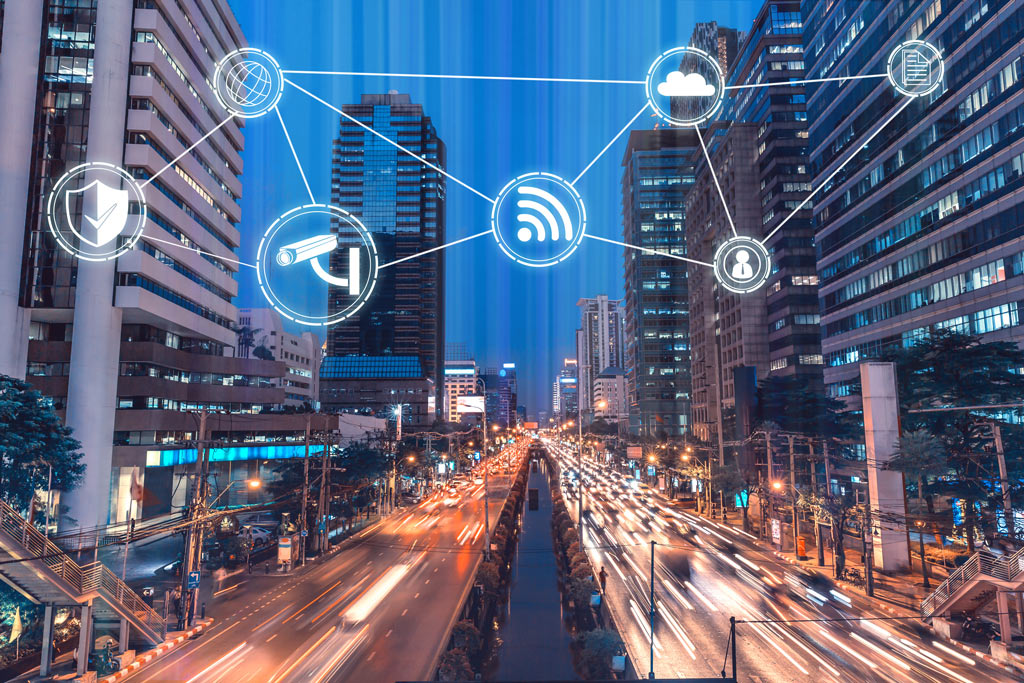
The concept of smart cities has evolved from traditional urban planning, marking a significant shift towards technology-driven development. Initially, city planning focused on physical infrastructure and spatial design. However, the advent of IoT has introduced a new dimension, where data and connectivity are as crucial as concrete and steel. This evolution reflects a broader societal shift towards digitalization, impacting how cities are planned, built, and managed.
IoT stands at the forefront of this transformation, offering unprecedented capabilities in urban management. By utilizing sensors and connected devices, cities can now monitor and analyze various aspects of urban life in real time. This data-driven approach enables more responsive and efficient city planning, leading to improved services and a higher quality of urban living. The role of IoT in this transition highlights its potential to reshape the very foundation of urban development.
Infrastructure and IoT

Integrating IoT into urban infrastructure has opened new possibilities for monitoring and maintenance. Roads, bridges, and buildings, once static structures, are now equipped with sensors to provide real-time data on their condition. This technology enables proactive maintenance, reducing the risk of infrastructure failures. By predicting issues before they occur, cities can save on repair costs and minimize disruptions to public life.
Beyond maintenance, IoT also enhances the functionality of urban infrastructure. Smart lighting systems adjust brightness based on pedestrian movement, and intelligent traffic signals optimize flow to reduce congestion. These applications improve the efficiency of city services and contribute to environmental sustainability by reducing energy consumption and emissions. As such, IoT is proving essential in building resilient and adaptable urban environments.
IoT in Public Transportation

Public transportation systems are being transformed through IoT integration, enhancing both efficiency and safety. IoT enables real-time tracking of buses and trains, allowing for dynamic scheduling and route optimization. This leads to reduced wait times and more reliable service for commuters. Additionally, IoT facilitates better crowd management, ensuring a smoother transit experience during peak hours.
The safety aspect of public transportation has also seen significant improvements with IoT. Vehicle sensors can detect maintenance needs or potential safety hazards, prompting timely intervention. In some cities, IoT has been instrumental in developing collision avoidance systems, markedly reducing accidents and improving overall transit safety. The adoption of IoT in public transportation exemplifies its capacity to enhance everyday urban experiences.
Energy Management and Sustainability
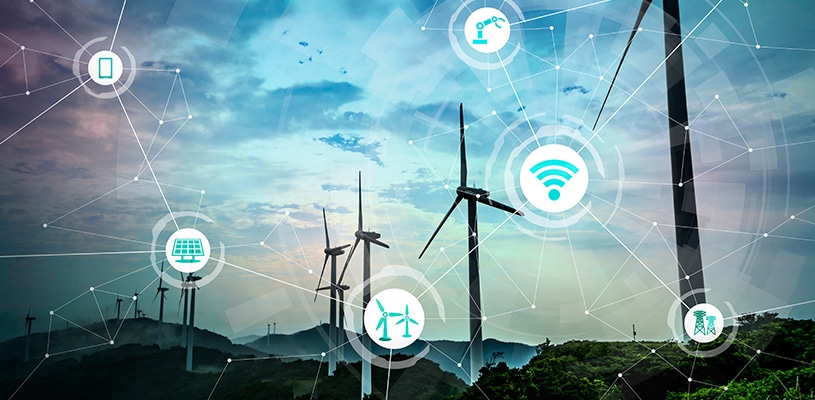
Cities are leveraging IoT for sustainable energy management, marking a critical step towards eco-friendly urban living. IoT-enabled devices and systems allow for precise monitoring and control of energy usage in buildings and public spaces. This granularity in energy management leads to substantial reductions in power consumption, aligning with broader sustainability goals. Smart grids, for instance, optimize electricity distribution, minimizing waste and supporting renewable energy integration.
The impact of IoT on urban sustainability extends beyond energy conservation. Smart waste management systems, for example, optimize garbage collection routes and frequencies, reducing fuel consumption and emissions. Water management systems use sensors to detect leaks and manage supply, conserving a vital resource. Through these applications, IoT is making cities smarter and greener, paving the way for a sustainable future.
Public Safety and IoT
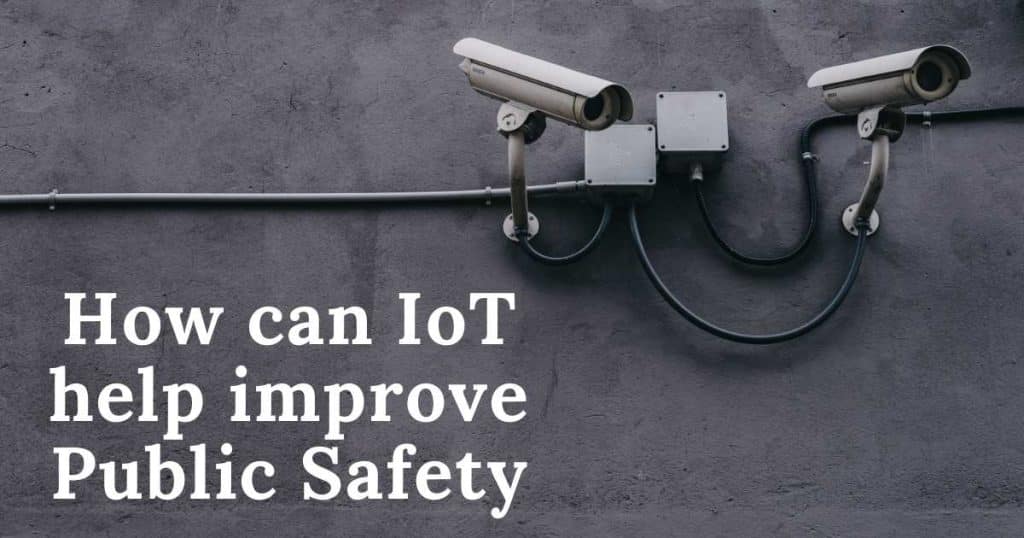
The integration of IoT in public safety mechanisms has significantly enhanced urban security systems. IoT devices, such as surveillance cameras and emergency response sensors, provide real-time data that is pivotal for timely and efficient law enforcement and emergency services. This technology facilitates quicker response times to incidents, improving overall public safety. Additionally, IoT enables predictive policing by analyzing patterns and trends, which helps in preventing crimes and managing public order effectively.
In the realm of emergency management, IoT plays a crucial role. Sensors can detect environmental changes and potential hazards, such as toxic gas leaks or structural weaknesses in buildings, triggering immediate alerts. This rapid response capability is crucial in mitigating the impacts of natural disasters or urban accidents. Furthermore, IoT devices are used to manage evacuation routes and emergency services, ensuring that assistance is rendered swiftly and accurately in crisis situations.
Citizen Engagement and IoT

IoT is also transforming the way citizens interact with their cities, fostering a more engaged and participatory urban community. Smart city initiatives often include platforms that enable residents to report issues, such as potholes or broken streetlights, directly to city management. This direct line of communication empowers citizens, making them active participants in city governance. Furthermore, IoT applications provide residents with real-time information about city services, events, and alerts, enhancing their urban experience.
The potential of IoT to facilitate community building is significant. For example, IoT-enabled public spaces can host interactive art installations or provide communal areas with enhanced connectivity and information services. These initiatives not only improve the quality of urban life but also encourage a sense of community among residents. By leveraging IoT, cities are improving services and nurturing a more connected and engaged citizenry.
Challenges and Considerations

While IoT offers immense benefits, it also presents significant challenges, particularly regarding privacy, security, and ethics. The vast amount of data collected by IoT devices raises concerns about privacy infringement and data protection. Ensuring that personal information is securely stored and used responsibly is paramount. Additionally, the interconnected nature of IoT systems poses cybersecurity risks, making them potential targets for hacking and other malicious activities.
Technical and financial challenges also play a critical role in the implementation of IoT solutions in urban settings. The need for robust and scalable infrastructure to support IoT devices, along with the associated costs, can be substantial. Moreover, ensuring interoperability among various IoT systems and maintaining them over time requires ongoing commitment and resources. These considerations are crucial for the successful integration of IoT in urban development, necessitating careful planning and management.
The Future of IoT in Urban Development

Looking ahead, the potential of IoT in urban development is boundless. Predictive analytics and artificial intelligence, combined with IoT, are expected to further revolutionize city planning and management. This could lead to more adaptive and responsive urban environments capable of anticipating and meeting the needs of their residents. The integration of emerging technologies like 5G and edge computing with IoT will further enhance the capabilities and efficiency of smart city solutions.
The future cities, empowered by IoT, are likely to be more sustainable, efficient, and livable. Innovations in IoT could lead to breakthroughs in areas such as autonomous transportation, smart energy grids, and advanced urban agriculture. These developments promise not only to reshape the urban landscape but also to fundamentally alter the way people live and interact within cities. The journey towards fully-realized smart cities is ongoing, with IoT at its core, driving the cities of tomorrow towards greater innovation and sustainability.
Building Tomorrow’s Cities Today
IoT is not just shaping the cities of tomorrow; it is actively transforming them today. By integrating technology into the urban fabric, IoT enhances efficiency, safety, and sustainability, making cities more livable and responsive to the needs of their citizens. The journey towards smart cities is a collaborative effort, requiring the participation of everyone, from policymakers to residents. Therefore, it’s time to embrace this technological evolution and actively contribute to the development of smarter, more connected urban environments.