Contents
Economic Impact of Drone Deliveries

Drone delivery systems herald a new era in cost-effectiveness for companies engaged in logistics and delivery services. By reducing the need for traditional transportation methods, drones significantly lower operational costs, including fuel, maintenance, and labor. This cost reduction is particularly beneficial for businesses operating on a large scale, where even marginal savings per delivery can accumulate to substantial financial benefits. Moreover, drones can access remote or hard-to-reach areas with ease, opening new markets and opportunities for businesses.
The economic implications of drone deliveries extend beyond the balance sheets of corporations. They have the potential to stimulate job creation in various sectors, including technology, manufacturing, and logistics. While there are concerns about drones replacing traditional delivery jobs, they are more likely to shift the job market towards new roles, such as drone operation and maintenance, airspace management, and data analysis. This shift underscores the dynamic nature of technological advancement and its ability to create new economic opportunities.
Consumer Perspective and Acceptance
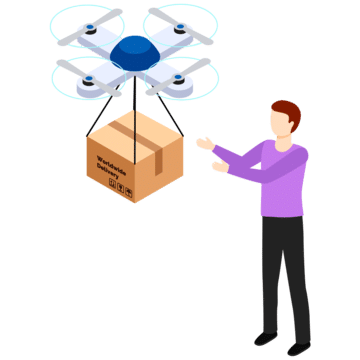
From the consumer’s standpoint, the advent of drone delivery brings a mix of anticipation and concern. The convenience offered by drone deliveries is undeniable, with faster delivery times and the potential to receive goods in locations previously inaccessible by traditional delivery methods. This convenience is likely to drive consumer demand, especially in a market where speed and efficiency are increasingly valued. However, this enthusiasm is tempered by privacy concerns, as drones operating in residential areas raise questions about surveillance and data security.
The acceptance of drone delivery by consumers will be a critical factor in its success. Public perception is shaped not only by the benefits but also by concerns over safety and noise pollution. Ensuring transparency in how drones operate, the safety measures in place, and how data is handled will be crucial in gaining public trust. As consumers become more familiar with drone deliveries and their advantages, it is likely that acceptance will grow, paving the way for widespread adoption.
The Future of Drone Deliveries
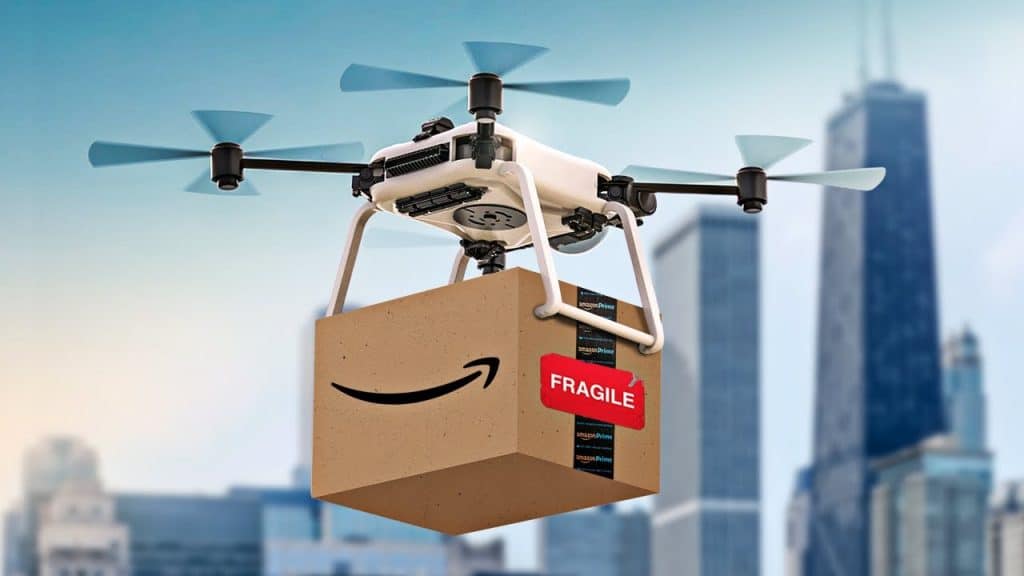
Looking ahead, the future of drone deliveries is poised for further innovation and expansion. Emerging trends include the development of more sophisticated drones capable of longer flights and carrying heavier payloads. This advancement will expand the range of goods that can be delivered, potentially transforming sectors like grocery and large-scale retail. Additionally, advancements in autonomous flight technology and AI will enhance the efficiency and safety of drone deliveries, making them more reliable and scalable.
The global expansion of drone delivery services is a likely scenario, with trials and implementations already underway in various countries. This expansion will not only transform the logistics industry but also have a broader impact on urban planning, environmental policies, and technological innovation. As regulations evolve to accommodate this new mode of delivery, it is expected that drones will become an integral part of the global delivery infrastructure, shaping the future of how goods are transported worldwide.
The Sky’s the Limit for Tomorrow’s Deliveries
The integration of drones into delivery services is not just a technological advancement but a paradigm shift in logistics. This transformation brings numerous benefits, including increased efficiency, reduced environmental impact, and new economic opportunities. However, it also presents challenges that need to be addressed, such as regulatory hurdles and consumer acceptance. The future of drone deliveries is bright, with the potential for significant global impact, shaping the way goods are transported in the years to come.