In the dynamic landscape of logistics and delivery, the integration of drone technology marks a revolutionary shift. Once confined to science fiction, drones are now at the forefront of redefining how goods reach consumers. This transformation is not just a leap in technology but a reimagining of the delivery process itself. Drones offer a glimpse into a future where efficiency and speed are paramount and environmental impact is significantly reduced. This article will uncover how drones are transforming delivery services, exploring the journey from concept to reality and the challenges and opportunities that lie ahead.
Contents
The Advent of Drone Delivery
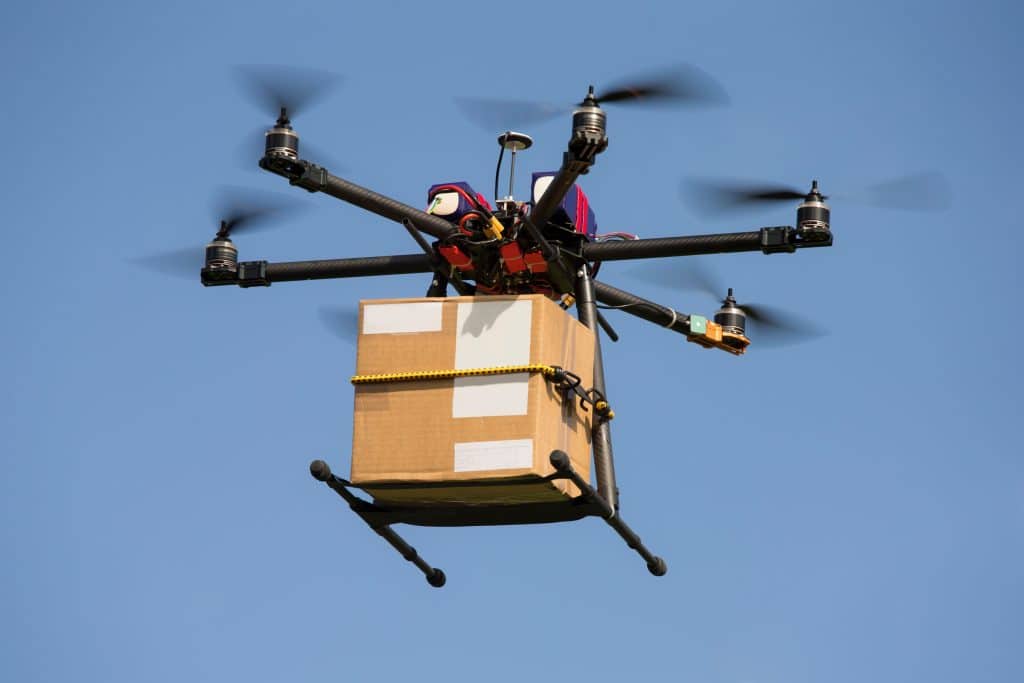
The journey of drone delivery services began as a bold vision to overhaul traditional delivery methods. Initially, drones were seen as gadgets for photography and recreation, but innovators quickly recognized their potential in logistics. This shift was marked by significant investments from tech giants and logistics companies eager to capitalize on this new frontier. The evolution from ground-based to aerial delivery represents a paradigm shift, offering a glimpse into a future of increased efficiency and reduced environmental impact.
The development of drone delivery has been marked by key milestones, each bringing the concept closer to widespread implementation. From small-scale trials in remote areas to partnerships with major e-commerce platforms, these steps have been crucial in testing and refining the technology. Regulatory approvals and successful pilot programs in various countries have further cemented the viability of drone deliveries. These milestones demonstrate technical feasibility and highlight the growing acceptance of drones in the public and commercial domains.
Technological Innovations Behind Drones
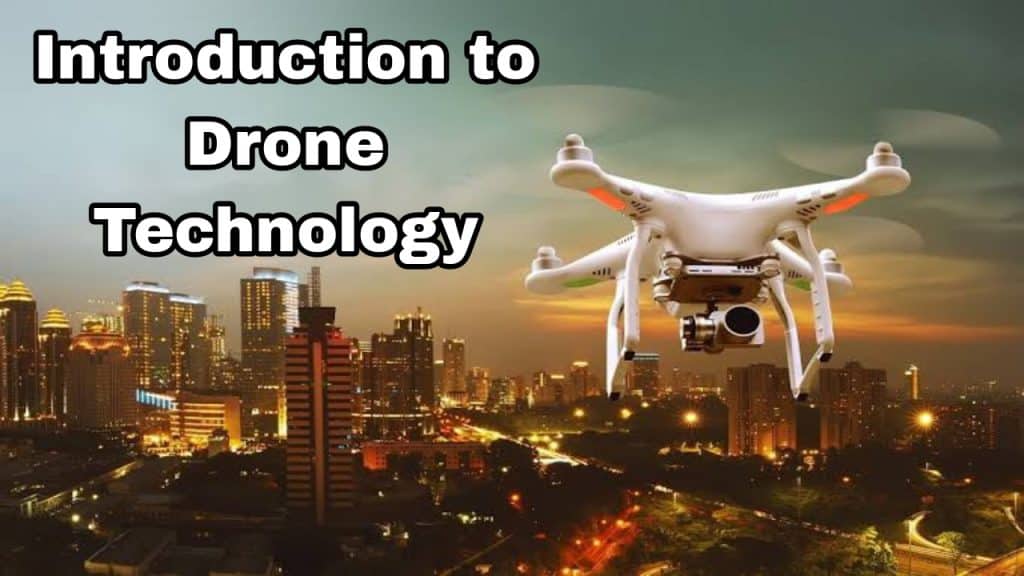
Drone technology has evolved rapidly, driven by the need for efficiency, safety, and reliability in delivery services. Central to this evolution is the integration of advanced GPS systems, allowing for precise navigation and delivery. Autopilot systems and sophisticated algorithms enable drones to navigate complex urban environments and avoid obstacles, ensuring safe and accurate deliveries.
Advancements in battery technology and payload capacity have been equally crucial. Longer battery life means drones can cover greater distances, making them viable for a wider range of delivery tasks. Improvements in payload capacity allow drones to transport a broader array of goods, from medical supplies to consumer products. These technological strides have not only enhanced the capabilities of drones but have also made them more economically viable for companies.
Benefits of Drone Delivery

One of the most significant benefits of drone delivery is the unprecedented speed and efficiency it offers. Drones can bypass traffic and other ground-based obstacles, drastically reducing delivery times. This speed is particularly beneficial for time-sensitive deliveries, such as medical supplies or perishable goods, ensuring they reach their destination quickly and in optimal condition.
Drone deliveries also have a notable environmental impact. By reducing reliance on ground transportation, drones contribute to lower carbon emissions and decreased traffic congestion. This shift towards more sustainable delivery methods aligns with growing environmental consciousness and the push for greener logistics solutions. The environmental benefits of drone delivery extend beyond reduced emissions, contributing to a broader effort to minimize the ecological footprint of the logistics industry.
Challenges and Limitations

Despite the promise of drone delivery, several challenges and limitations need addressing. Regulatory hurdles are a significant barrier, with airspace management and safety regulations varying widely across regions. Navigating these legal frameworks is crucial for the widespread adoption of drone delivery services, requiring collaboration between companies, regulators, and policymakers.
Technical challenges also pose hurdles to the implementation of drone delivery. Weather conditions, such as strong winds or heavy rain, can impact drone operations, limiting their reliability in certain climates. Navigation in densely populated urban areas presents another challenge, requiring sophisticated technology to ensure safety and accuracy. Addressing these technical and regulatory challenges is essential for the successful integration of drones into the existing delivery infrastructure.
Economic Impact of Drone Deliveries

Drone delivery systems herald a new era in cost-effectiveness for companies engaged in logistics and delivery services. By reducing the need for traditional transportation methods, drones significantly lower operational costs, including fuel, maintenance, and labor. This cost reduction is particularly beneficial for businesses operating on a large scale, where even marginal savings per delivery can accumulate to substantial financial benefits. Moreover, drones can access remote or hard-to-reach areas with ease, opening new markets and opportunities for businesses.
The economic implications of drone deliveries extend beyond the balance sheets of corporations. They have the potential to stimulate job creation in various sectors, including technology, manufacturing, and logistics. While there are concerns about drones replacing traditional delivery jobs, they are more likely to shift the job market towards new roles, such as drone operation and maintenance, airspace management, and data analysis. This shift underscores the dynamic nature of technological advancement and its ability to create new economic opportunities.
Consumer Perspective and Acceptance
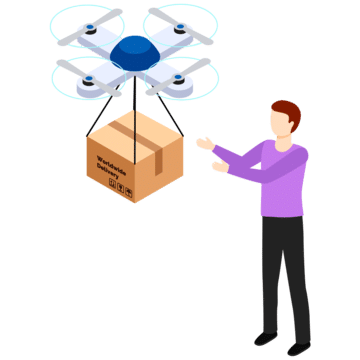
From the consumer’s standpoint, the advent of drone delivery brings a mix of anticipation and concern. The convenience offered by drone deliveries is undeniable, with faster delivery times and the potential to receive goods in locations previously inaccessible by traditional delivery methods. This convenience is likely to drive consumer demand, especially in a market where speed and efficiency are increasingly valued. However, this enthusiasm is tempered by privacy concerns, as drones operating in residential areas raise questions about surveillance and data security.
The acceptance of drone delivery by consumers will be a critical factor in its success. Public perception is shaped not only by the benefits but also by concerns over safety and noise pollution. Ensuring transparency in how drones operate, the safety measures in place, and how data is handled will be crucial in gaining public trust. As consumers become more familiar with drone deliveries and their advantages, it is likely that acceptance will grow, paving the way for widespread adoption.
The Future of Drone Deliveries
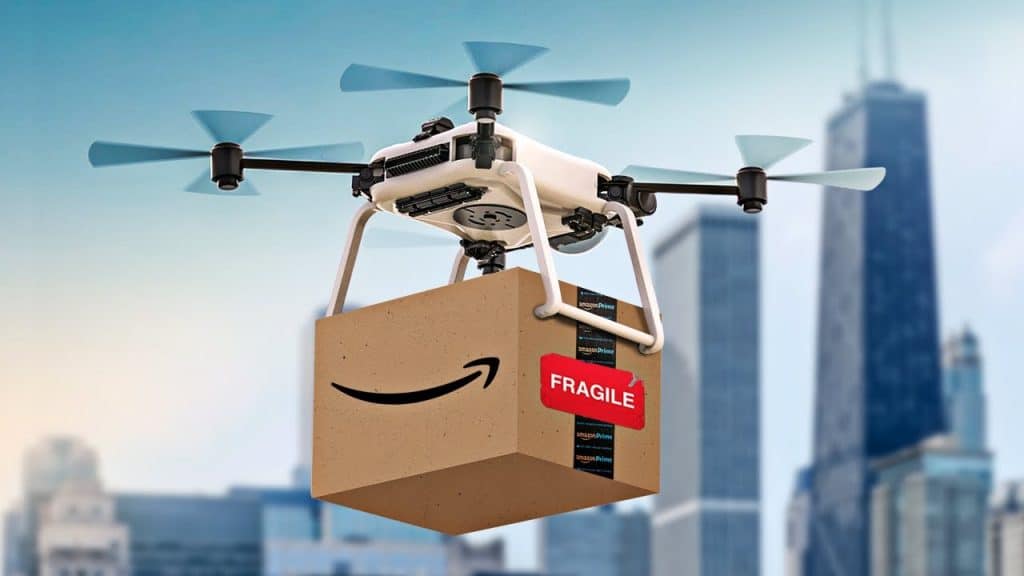
Looking ahead, the future of drone deliveries is poised for further innovation and expansion. Emerging trends include the development of more sophisticated drones capable of longer flights and carrying heavier payloads. This advancement will expand the range of goods that can be delivered, potentially transforming sectors like grocery and large-scale retail. Additionally, advancements in autonomous flight technology and AI will enhance the efficiency and safety of drone deliveries, making them more reliable and scalable.
The global expansion of drone delivery services is a likely scenario, with trials and implementations already underway in various countries. This expansion will not only transform the logistics industry but also have a broader impact on urban planning, environmental policies, and technological innovation. As regulations evolve to accommodate this new mode of delivery, it is expected that drones will become an integral part of the global delivery infrastructure, shaping the future of how goods are transported worldwide.
The Sky’s the Limit for Tomorrow’s Deliveries
The integration of drones into delivery services is not just a technological advancement but a paradigm shift in logistics. This transformation brings numerous benefits, including increased efficiency, reduced environmental impact, and new economic opportunities. However, it also presents challenges that need to be addressed, such as regulatory hurdles and consumer acceptance. The future of drone deliveries is bright, with the potential for significant global impact, shaping the way goods are transported in the years to come.