The dawn of the digital era has witnessed the remarkable evolution of chatbots, transforming them from simple scripted responders to sophisticated AI-driven assistants. These advancements have led to significant impacts across various facets of daily life, revolutionizing interactions and processes in ways previously unimagined. Chatbots are now integral in sectors ranging from customer service to personal lifestyle management, indicating a shift towards more automated, yet personalized experiences.
Contents
Understanding Chatbots

Chatbots, essentially, are software applications designed to mimic human conversation. Utilizing natural language processing and machine learning, they can interpret and respond to user queries in a natural, human-like manner. This capability allows them to be deployed in numerous environments, ranging from simple task automation to handling complex customer service queries. The backbone of modern chatbots is their ability to learn from interactions, continually improving their responses and becoming more efficient over time.
The development of chatbots has been propelled by significant technological breakthroughs. Advances in artificial intelligence, particularly in areas like natural language processing and machine learning, have enabled chatbots to understand and process human language more effectively. This has not only made interactions with chatbots more seamless but also allowed for a broader range of applications. From voice-activated assistants on smartphones to customer service chatbots on websites, the technology is becoming increasingly ubiquitous.
Customer Service Transformation
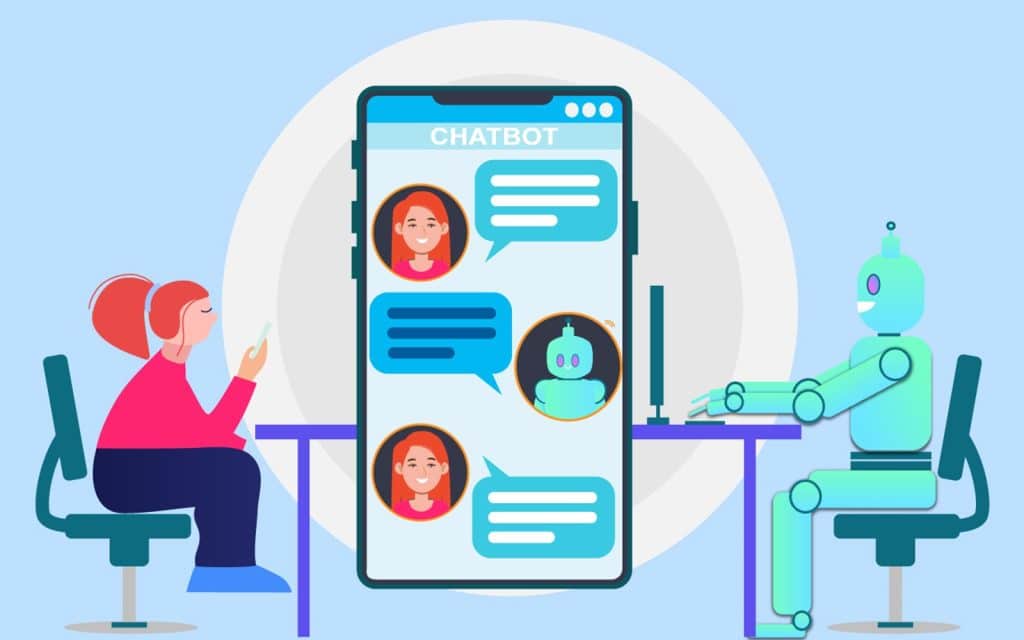
Chatbots have revolutionized the customer service landscape by providing instant, round-the-clock support. They can handle a multitude of inquiries simultaneously, reducing wait times and improving overall efficiency. This has led to increased customer satisfaction, as queries are resolved quickly and effectively. Furthermore, chatbots can gather data from interactions, which businesses can use to tailor services and improve customer experiences.
In industries like retail, banking, and hospitality, chatbots have become a crucial element in customer engagement strategies. They offer personalized recommendations, answer FAQs, and even handle transactions, enhancing the customer journey. This shift to chatbot-assisted customer service has not only streamlined operations but also allowed human employees to focus on more complex tasks, thus optimizing the workforce and resource allocation.
Chatbots In Daily Personal Life
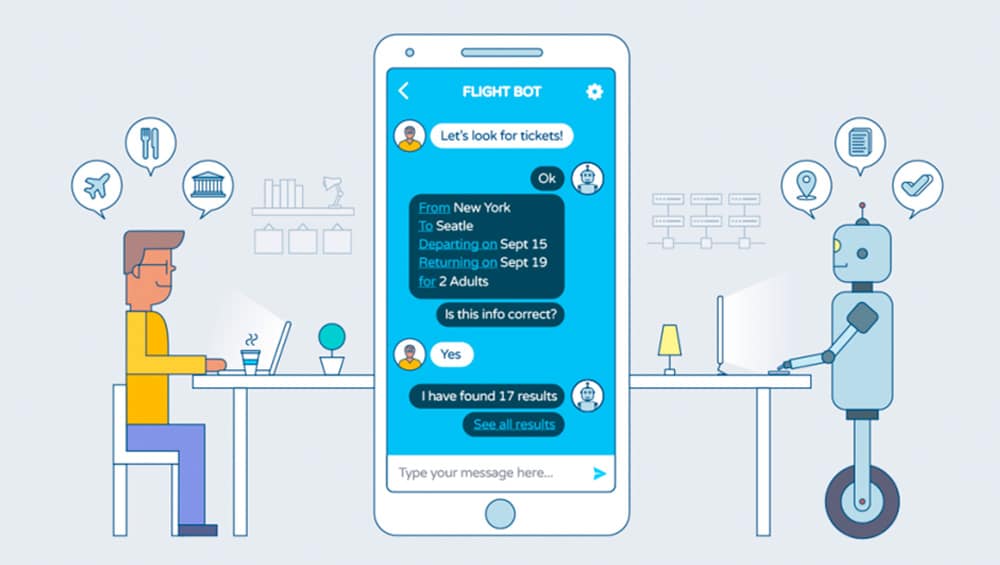
Chatbots have seamlessly integrated into the daily routines of many individuals, taking on the role of personal assistants. They help manage schedules, set reminders, and even provide weather updates or news briefings, simplifying day-to-day tasks. This convenience extends beyond mere scheduling; chatbots also assist in shopping, from helping pick out items to processing orders, thereby personalizing the shopping experience. As these virtual assistants become more advanced, they are expected to handle an even wider range of personal tasks, making daily life more efficient.
The impact of chatbots on personal productivity and lifestyle management is profound. They offer customized advice on various aspects like fitness, nutrition, and even finance management, based on user preferences and historical data. This has led to a more streamlined approach to managing personal affairs, where advice and assistance are readily available. However, this also raises questions about privacy and data security, as these chatbots handle sensitive personal information, emphasizing the need for robust security measures in chatbot design.
Business Operations And Efficiency
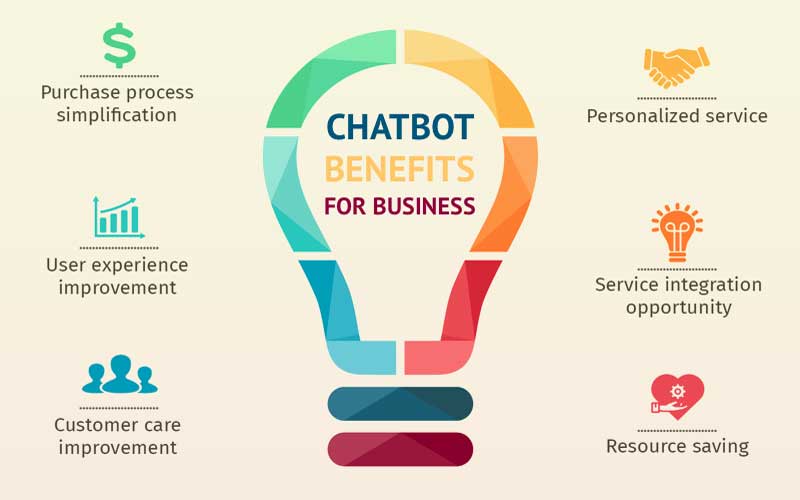
In the business world, chatbots are revolutionizing operations, making them more efficient and cost-effective. They automate routine tasks such as data entry, appointment scheduling, and customer inquiries, freeing up human resources for more complex tasks. This automation not only increases operational efficiency but also reduces the likelihood of human error. Additionally, chatbots can provide valuable insights into customer behavior and preferences, aiding in strategic decision-making.
Chatbots are increasingly being used in internal business processes as well, assisting employees with information retrieval, HR inquiries, and IT support. This internal application reduces the workload on support staff and streamlines internal communications. Furthermore, integrating chatbots into business operations is relatively low-cost and scalable, making it an attractive option for both small businesses and large corporations. This adaptability across various business sizes and sectors underscores the versatility and potential of chatbot technology.
Healthcare And Chatbots
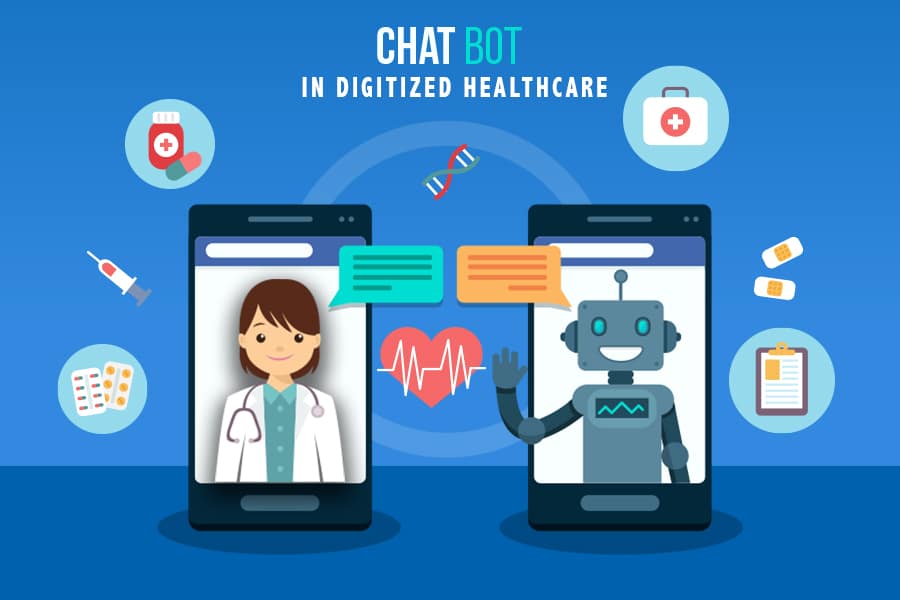
Healthcare is another sector where chatbots are making significant inroads. They offer patient support by answering general health queries, scheduling appointments, and even providing medication reminders. This enhances patient engagement and accessibility to healthcare services. Additionally, chatbots in healthcare are equipped to handle sensitive health data, adhering to privacy and compliance standards, which is crucial in maintaining patient trust.
However, using chatbots in healthcare comes with its own set of ethical considerations and challenges. Ensuring accuracy in health-related advice and maintaining patient confidentiality are paramount. There’s also the concern of over-reliance on these automated systems for health advice, which could lead to misdiagnoses or delayed medical intervention. Therefore, while chatbots offer substantial benefits in healthcare, they must be implemented thoughtfully, complementing rather than replacing human medical professionals.
Education And Learning

The educational landscape is experiencing a transformation with the integration of chatbots. They serve as learning assistants, providing students with instant responses to queries and aiding in language learning through interactive conversations. Chatbots in education personalize the learning experience, adapting to individual student’s pace and style, making education more accessible and inclusive.
Despite these benefits, there are potential downsides to the use of chatbots in education. Ensuring the accuracy of information provided and keeping the learning process engaging are crucial. Moreover, the lack of human interaction could impact the development of social skills and critical thinking abilities in students. Thus, while chatbots are valuable educational tools, they need to be used as a complement to traditional teaching methods, not a replacement.
The Future Of Chatbots

The future of chatbots appears to be filled with endless possibilities, driven by ongoing advancements in artificial intelligence and machine learning. Predictions suggest that chatbots will become more sophisticated, understanding context and emotion in conversations, leading to more natural and human-like interactions. This evolution will likely see chatbots becoming an even more integral part of daily life, offering personalized experiences that are currently unattainable.
However, this future is not without its societal and ethical implications. As chatbots become more ingrained in everyday life, concerns about privacy, data security, and the potential for misinformation grow. There is also the broader impact on employment, as the rise of automation could lead to job displacement in certain sectors. Thus, while the future of chatbots holds great promise, it also presents challenges that society must address to ensure a balanced and ethical integration of this technology.
The Bottom Line
Chatbots are reshaping various aspects of everyday life, from personal management to business operations and healthcare. Their ability to automate tasks, provide instant assistance, and offer personalized experiences has made them a valuable tool in today’s fast-paced world. As chatbot technology continues to evolve, it is poised to offer even more innovative solutions, further integrating into the fabric of daily life. However, this integration must be approached with consideration for the ethical and societal implications, ensuring that the benefits of chatbots are harnessed responsibly and inclusively.