The 5th generation of cellular technology, 5G, is revolutionizing the economy as we know it. This new technology offers faster data speeds and more reliable connections than ever before. This has implications for many industries, including transportation, health care, manufacturing, and agriculture. This article will discuss how 5G is changing the economy and how businesses can take advantage of this revolutionary technology.
What Is 5G?

The fifth generation of cellular technology, or “fifth-generation wireless” (or simply “fifth-generation”), refers to the upcoming international wireless standard that is currently developing. This new standard will succeed the current fourth-generation (or “LTE”) systems. Whereas LTE offers peak speeds of around 100 megabits per second (Mbit/s), theoretical peak speeds for fifth-generation can be as high as 20 gigabits per second (Gbit/s). In addition to increased speed, fifth-generation wireless will offer reduced latency, more reliability, and higher capacity than previous generations. 5G also has the potential to support a much higher density of connected devices than previous generations.
The first commercial deployments of fifth-generation wireless technology appeared in 2020, with South Korea and the United States leading the way. Several other countries, including China, Japan, and Australia, are investing heavily in this technology.
Improving Healthcare Processes And Diagnoses

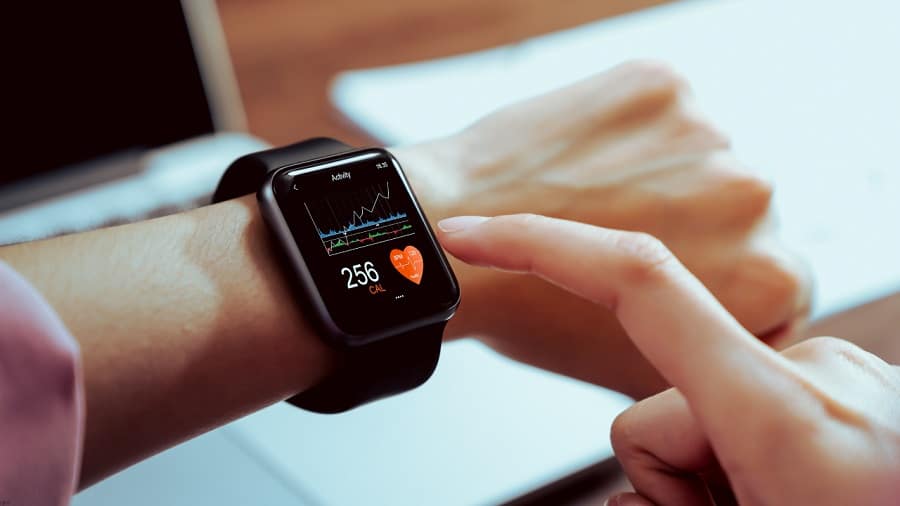
By applying IoT (Internet of Things), AI, and robotics to healthcare, 5G has established a connected healthcare ecosystem. According to experts, the disruptive technologies used in conjunction with 5G will allow for more precise diagnoses and remote patient management. For example, we may use 5G and IoT connectivity to conduct remote robotic surgery. Medical sensors powered by AR (Augmented Reality) and real-time data readings can help surgeons perform the procedure remotely.
According to current forecasts, 5G-powered healthcare applications will add USD 530 billion to the global GDP by 2030. More streamlined processes between healthcare providers and patients are possible through 5G. Telemedicine and telehealth have seen significant improvements in recent years, both in terms of efficacy and capabilities. The increased usage of 5G technology in hospitals and clinics improved the efficiency of telemedicine and telehealth during the epidemic.
The fundamental change in healthcare will bring about a new concept known as “4P” medicine: predictive, preventative, personalized, and participatory. Because 5G can provide up to 100 times the bandwidth of 4G, it will enable critical home-based patient monitoring equipment for post-acute care.
Creating Virtual Experiences In Financial Services
The introduction of 5G has sparked a financial technology revolution. According to recent research, 5G applications in financial services will contribute $85 billion to the global GDP by 2030. Banks and other financial services companies have taken a digital-first approach and moved their services to digital platforms, such as online and mobile banking.
The financial services sector has reinvented the consumer journey and generated meaningful virtual experiences by focusing on digitization. Furthermore, by utilizing 5G technology in tandem with drones, the insurance sector may keep an eye on insured properties and combat fraudulent behavior. The combined use of drones and 5g technology will streamline claims administration procedures.