Geothermal energy, a resource that taps into the Earth’s internal heat, holds enormous potential for clean, reliable power generation. Recent technological advancements in this field have expanded its range and efficiency. Enhanced Geothermal Systems (EGS) is a prime example of this. EGS drills deep into the Earth’s crust to access hot rock and uses a heat exchange fluid to create steam, powering a turbine and generating electricity. This technology makes geothermal power feasible in regions previously thought unsuitable.
Another significant innovation in geothermal technology is directly applying it to heating and cooling buildings. Ground Source Heat Pumps (GSHPs), which use stable ground or water temperatures, has become an energy-efficient alternative for temperature control in buildings for heating and cooling purposes. As technological innovations continue to expand the potential of geothermal energy, we can expect it to play an increasingly significant role in our green energy future.
Biomass Energy Innovations

Biomass energy, derived from organic materials such as plant and animal waste, presents another facet of the green energy spectrum. Advancements in biomass technology have focused on improving the conversion processes to extract more energy and reduce waste. The development of advanced biofuels, including cellulosic ethanol, is one such innovation. These fuels are derived from non-food sources like agricultural residues and other forms of waste, offering a more sustainable alternative to traditional biofuels.
In addition, gasification processes have become increasingly sophisticated. This technology converts organic or fossil fuel-based carbonaceous materials into carbon monoxide, hydrogen, and carbon dioxide. The resulting ‘syngas’ can then be used to generate electricity or as a basic chemical feedstock in the petrochemical industry. As we continue to develop and refine these innovative technologies, biomass energy promises to be a reliable component of a sustainable energy system.
Integration of Green Technologies

Integrating various green technologies is an exciting frontier in pursuing a 100% renewable energy future. Smart grids, which use digital communication technology to detect and react to local changes in usage, play a crucial role in this integration. These grids can balance the supply and demand of electricity, accommodating fluctuations in renewable energy production and thereby enhancing the overall efficiency of energy usage.
Alongside smart grids, energy storage innovations are addressing the issue of intermittent energy supply, a common challenge with renewable sources like solar and wind. Advancements in battery technology, including the development of more efficient, cheaper, and longer-lasting battery systems, are central to this solution. In addition, promising research is underway in green hydrogen, which could offer large-scale, clean energy storage and transportation solutions.
Challenges and Solutions in Green Energy Adoption
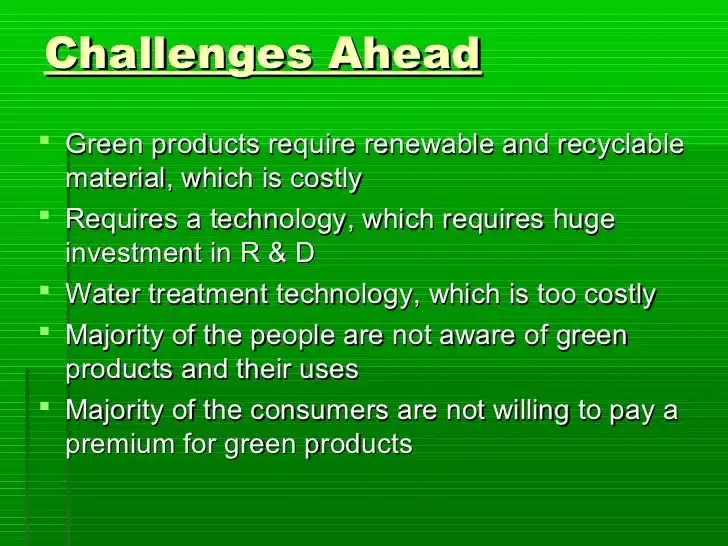
Despite the promising prospects of green energy, its adoption comes with certain challenges. High upfront costs, technological limitations, and intermittency issues can hinder the widespread adoption of green energy technologies. However, ongoing research and development are addressing these issues, bringing forward new solutions that make renewable energy more accessible and reliable.
Emerging financial models and incentives are reducing the economic barriers to green energy. Technology is also addressing scalability and storage issues. For instance, the use of AI and advanced analytics can optimize energy production, storage, and distribution, making renewable energy more reliable and efficient. Moreover, innovative solutions like microgrids enable energy independence and resilience at a community level, thus offering ways to overcome the challenges associated with integrating renewable energy into the existing power grid.
Future Perspectives of Green Energy Technologies

Looking ahead, the future of green energy technologies seems vibrant and promising. Emerging renewable energy technologies such as tidal power, which leverages the energy of ocean tides, and fusion energy, which seeks to replicate the sun’s energy generation process on Earth, are under active research and development. These could open up new avenues for green energy production.
The role of artificial intelligence and machine learning also holds immense potential in the green energy landscape. These technologies can optimize energy production, enhance grid management, predict maintenance needs, and increase the overall efficiency of renewable energy systems. While these technologies are still in their infancy, their potential to revolutionize the green energy sector is significant.
The Role of Policy in Encouraging Green Energy Innovations

Policy plays a significant role in promoting green energy innovations. Government policies and regulations that incentivize renewable energy use, fund research and development, and implement carbon pricing can drive significant growth in the green energy sector. International agreements and cooperation also hold the key to driving global green energy innovation.
Examples of successful policy-driven green initiatives abound. In countries like Germany, Denmark, and China, favorable government policies have driven substantial growth in renewable energy infrastructure. In addition, international initiatives such as the Paris Agreement have established a global framework for promoting green energy. These cases illustrate how sound policies can stimulate the development and adoption of green energy technologies, paving the way toward a sustainable energy future.
Final Reflections on Green Energy and Technology’s Role
As we reflect on the rapidly evolving landscape of green energy innovations, it’s clear that technology has played, and continues to play, a transformative role. The advancements in various green energy sectors—solar, wind, hydropower, geothermal, and biomass—demonstrate the immense potential of renewable energy sources in shaping a sustainable future. However, the journey is not without its challenges. Technological limitations, economic barriers, and policy implications all play significant roles. Yet, as we continue to push the boundaries of innovation, develop new strategies for integration, and build supportive policies, the promise of a clean, green energy future appears increasingly within reach. It is a future where technology harnesses the power of the elements, converting sun, wind, and water into the clean, renewable energy that powers our world.