As we enter an era of increased awareness of our planet’s delicate balance, green energy has moved from a fringe idea to a global imperative. The importance of renewable energy sources in mitigating the damaging effects of climate change is now a universally acknowledged fact. Technology plays an instrumental role in this transition, pushing boundaries and bringing solutions that were once deemed impossible to life. This article delves into the world of green energy, exploring its importance, the innovations in its key areas—solar, wind, and hydropower—and how technology continues to play a pivotal role in this realm.
The Importance of Green Energy

In the face of escalating climate change concerns, the importance of green energy cannot be overstated. Green energy, encompassing sources like solar, wind, and hydro, promises a cleaner, more sustainable future by drastically reducing our reliance on fossil fuels. These conventional energy sources, such as coal, oil, and gas, contribute significantly to global greenhouse gas emissions, leading to a warming planet. By making a shift towards renewable energy, we have the potential to limit global warming and avoid the catastrophic effects of climate change.
In addition to environmental benefits, green energy also provides economic advantages. With technological advancements, the cost of renewable energy has been declining, making it increasingly competitive with traditional energy sources. Green energy projects also have the potential to create numerous jobs, boosting local economies. For instance, the solar industry has been one of the economy’s fastest-growing sectors in several countries. Thus, green energy, backed by technological innovations, is not just an environmental need but also an economic opportunity.
Overview of Green Energy Technologies

Our journey towards a green future is fueled by several technologies that tap into the Earth’s renewable resources. Among these, solar, wind, hydro, geothermal, and biomass technologies stand out due to their capacity to generate substantial amounts of clean energy.
Solar energy technologies primarily focus on converting sunlight directly into electricity using photovoltaic (PV) panels. Wind energy technologies employ turbines, usually placed in wind farms, to generate power from airflow. Hydropower is the most established form of green energy and uses water flow to generate electricity. Geothermal technologies tap into the Earth’s internal heat for electricity generation, while biomass technologies rely on organic material converted into heat, electricity, or biofuels. These technologies play a vital role in our transition towards a sustainable energy future.
Solar Energy Innovations

Solar technology has been one of the most significant game-changers in the world of green energy. While the basic mechanism of converting sunlight into electricity remains consistent, numerous technological advancements have made this process more efficient and cost-effective.
The development of new materials has been crucial in enhancing solar panel efficiency. For instance, perovskite solar cells have emerged as a promising alternative to traditional silicon cells due to their superior light absorption properties and flexibility. Moreover, solar technologies also focus on bifacial designs that capture sunlight from both sides, significantly increasing energy production.
Additionally, Concentrated Solar Power (CSP) systems are gaining prominence. These systems use mirrors or lenses to concentrate a large area of sunlight onto a small area. The heat is then used to produce steam that powers an electricity-generating turbine. These innovative techniques are revolutionizing the solar industry, promising a brighter future with green energy.
Wind Energy Innovations

The ever-evolving technology within the wind energy sector has paved the way for massive improvements in harnessing wind power. Modern wind turbines have grown enormously in size and capacity compared to their predecessors. The larger rotor diameters and taller towers enable turbines to capture more wind, generating more power than ever. Moreover, the recent introduction of floating offshore wind farms allows for the placement of turbines in deeper waters with high wind speeds, thereby further increasing energy generation potential.
Another significant innovation within the wind energy sector involves digital technology. With the integration of machine learning algorithms and data analytics, it is now possible to predict wind patterns more accurately, optimize turbine performance, and improve maintenance schedules. By leveraging digital technology, wind energy systems can operate more efficiently, reducing costs and increasing power output. These technological innovations signify a robust and prosperous future for wind energy.
Hydropower Energy Innovations
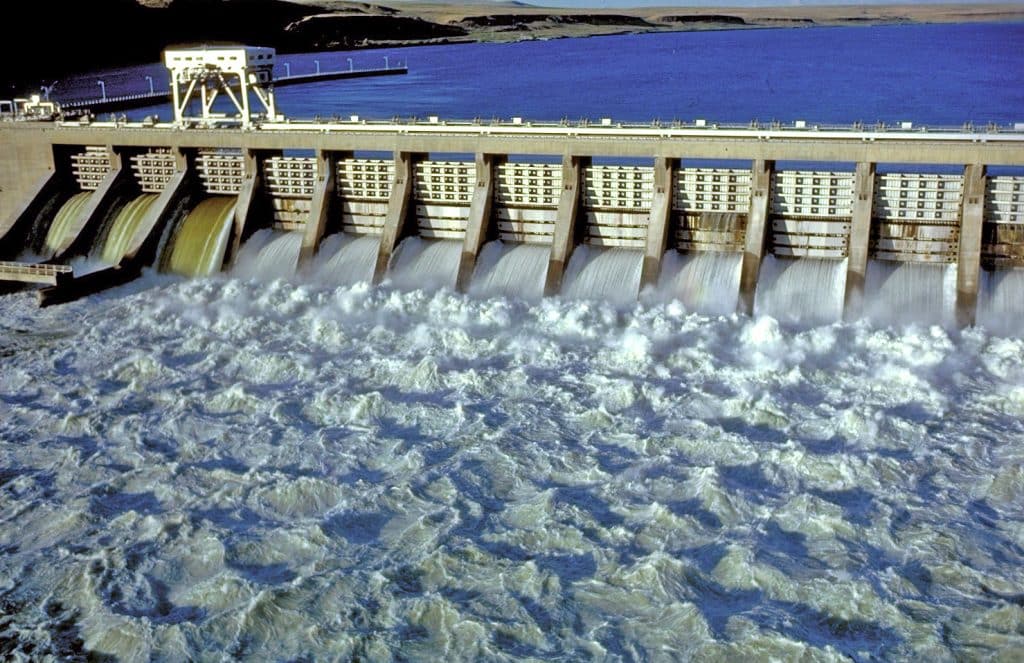
Hydropower, one of the oldest and most mature renewable energy technologies, has a long history of innovations. Yet, it continues to evolve and improve. Innovations in turbine technology, such as developing fish-friendly turbines, have made hydropower more ecologically sustainable. These newer turbine designs allow fish and other aquatic life to pass through hydropower dams safely, thus mitigating environmental concerns associated with traditional hydropower.
Another noteworthy development in the hydropower sector is the increasing focus on small-scale and ‘run-of-river’ hydropower systems. Unlike traditional large-scale dams, these systems have minimal environmental impact and are easier to install and operate. In addition, advancements in hydrokinetic technology, which generates power from free-flowing water without the need for a dam, are providing new ways to tap into the energy potential of our rivers and oceans. Such advances indicate that despite its age, hydropower is still a critical player in the green energy sector.
Geothermal Energy Innovations