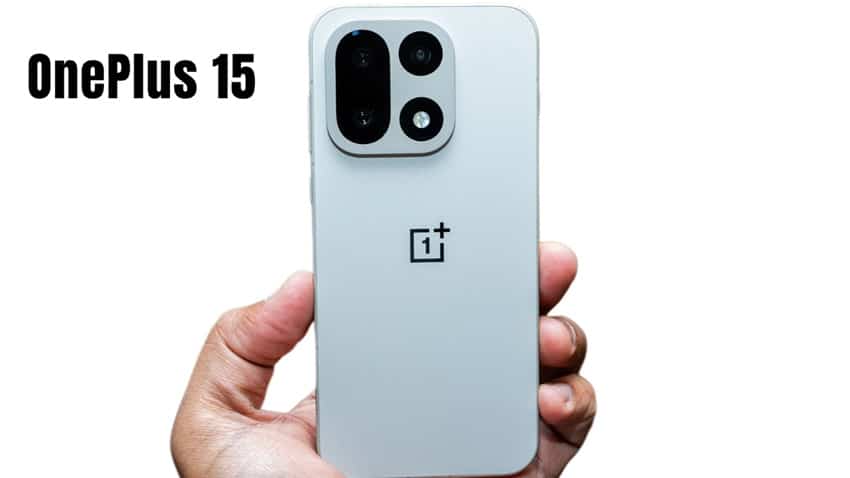
Every day new technological advance is displacing another everyday object. For example, remember when people used a landline telephone to talk to each other? Now you can send a text or call on your cell phone. And who needs maps anymore when you have GPS navigation? Almost everything in life is changing. And this article will look at some objects technology is replacing and discuss the advantages and disadvantages of each replacement.
The Rise Of Technological Advancements
Over the past few centuries, there has been an incredible rise in technological advancements. What once took days or weeks to accomplish can now be done in seconds. This has drastically changed the way people live, work, and communicate. You currently have access to information and people that were once out of reach. You can now connect with others instantly, regardless of location. And You can now accomplish tasks that were once impossible. But if these advances seem to be happening a lot faster these days, it is because they are! The biggest reason behind this is that larger companies are no longer looking to profit by driving technological advancements. Instead, people who want to impact the world and change how things work for the better are driving them. There is widespread access to open-source code, allowing individuals from all backgrounds and skill levels to get involved in tech projects and make significant changes to everyday life.
Landline Telephones

It’s hard to believe that there was a time when the only way to communicate with someone who wasn’t in the same room as you was to use a landline telephone. Today, landlines are all but obsolete, replaced by a myriad of different technologies that allow you to stay connected no matter where you are. One of the most popular is the cellular phone, which enables users to make and receive calls anywhere they have cell service. But cell phones are just one technological advance that has impacted how people communicate. However, some may see a downside to this technological advancement because they increase their reliance on particular objects. While cell phones have made it easier to stay connected with others, they can also be a source of distraction and cause you to miss out on important moments that you might otherwise savor if you weren’t constantly glued to your screen.
Phonebooks
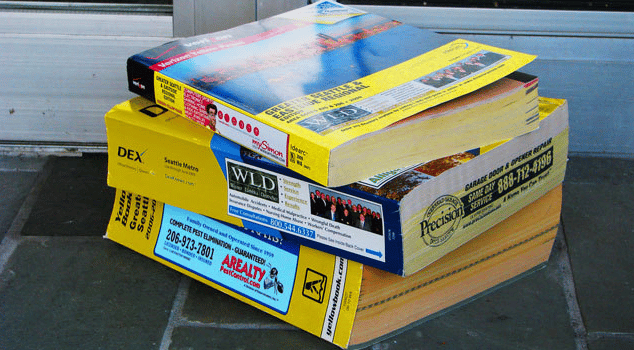
The ever-changing landscape of technology has led to the gradual obsolescence of the phonebook. A few decades ago, the phonebook was an essential tool for finding contact information for businesses and individuals. However, the rise of the internet and the ubiquity of smartphones have made it increasingly easy to find this same information without opening a physical book. Today, many rely on search engines and online directories to find the phone numbers and addresses they need. As a result, phone books have become progressively less common, and it is now rare to find one in most homes. While there are still some holdouts who cling to their paper copies, it seems clear that the days of the phonebook are numbered. Those still holding on to the old-fashioned way of finding contact information argue that it is easier to browse through a phonebook than to search for specific information online. But as more people switch to digital directories, this argument will likely become less convincing.