Contents
Cryptocurrencies: Beyond Bitcoin

The cryptocurrency landscape is vast and extends well beyond the well-known Bitcoin. These digital currencies represent a radical shift in the concept of money, offering a decentralized form of currency that operates independently of traditional banking systems. Cryptocurrencies like Ethereum, Ripple, and Litecoin have introduced diverse functionalities, ranging from smart contracts to faster cross-border transactions. This diversity challenges the traditional financial models and opens up new avenues for investment and transaction methods.
However, the integration of cryptocurrencies into mainstream finance is fraught with challenges. Volatility, regulatory concerns, and security issues are significant hurdles that need addressing. Despite these challenges, the potential of cryptocurrencies to offer secure, transparent, and efficient transactions is undeniable. They are increasingly being explored for their utility in various sectors, including remittances and online transactions. The future of cryptocurrencies in FinTech hinges on balancing innovation with stability and security.
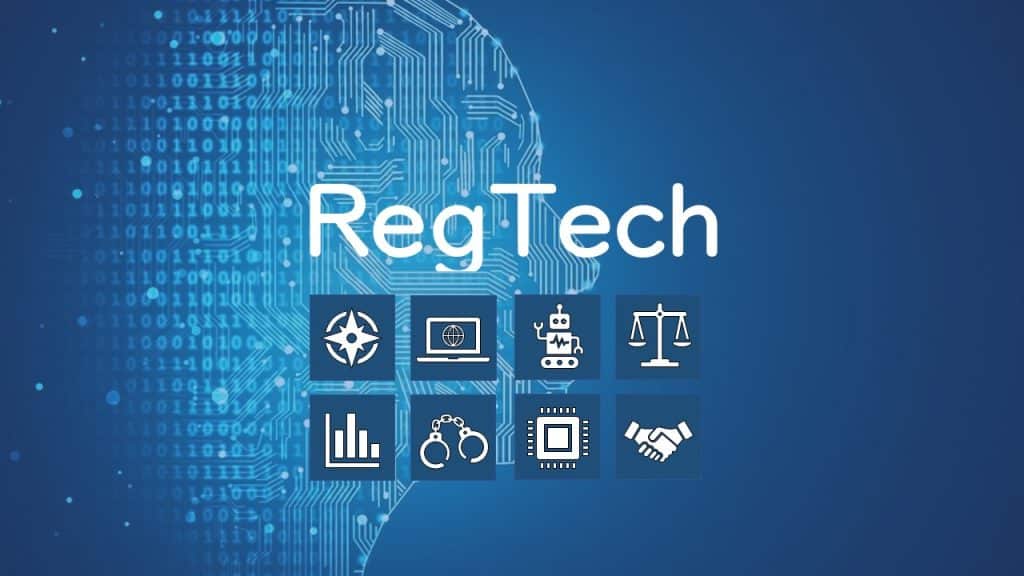
Regulatory Technology, commonly known as RegTech, is becoming increasingly crucial in the FinTech space. It represents a suite of technologies designed to assist financial institutions in managing regulatory compliance efficiently. The growing complexity of financial regulations has made compliance a challenging and costly affair. RegTech solutions leverage technologies like AI, machine learning, and big data analytics to simplify and streamline the compliance process, making it more accurate and less resource-intensive.
The impact of RegTech extends beyond mere compliance. It plays a pivotal role in risk management, fraud detection, and identity management. By automating and enhancing the accuracy of compliance-related tasks, RegTech allows financial institutions to focus more on innovation and customer service. The adaptability and scalability of RegTech solutions are key in a rapidly evolving regulatory landscape, ensuring that financial institutions can swiftly respond to new regulatory demands.
InsurTech: Revolutionizing Insurance

InsurTech, the application of Technology to the insurance sector, is transforming the way insurance products are designed, distributed, and consumed. This innovation is not just about digitizing existing processes; it’s about reimagining insurance from a customer-centric perspective. InsurTech startups are introducing new models like on-demand insurance and peer-to-peer coverage, which offer more flexibility and personalization than traditional insurance products. These models are particularly appealing to the digital-savvy generation, who demand convenience and customization.
The implications of InsurTech for insurers and policyholders are profound. For insurers, Technology like AI and IoT (Internet of Things) enables more accurate risk assessment and pricing, leading to more efficient operations and potentially lower costs. For policyholders, it means more transparent, affordable, and user-friendly insurance options. Despite the challenges of integrating new technologies and disrupting established practices, InsurTech is poised to redefine the insurance landscape, making it more responsive to the needs of the modern consumer.
Neobanks: Redefining Traditional Banking

Neobanks represent a new wave in the banking sector, operating exclusively online without traditional physical branch networks. These digital banks are redefining the banking experience, offering user-friendly interfaces, lower fees, and innovative features that appeal to tech-savvy consumers. Unlike traditional banks, neobanks are built from the ground up with digital Technology, allowing for greater agility and a focus on customer experience. They cater to a generation that prefers online transactions and values convenience and simplicity in financial services.
The rise of neobanks is indicative of a broader shift in consumer preferences and banking practices. They challenge traditional banks by offering more transparent fee structures, faster services, and personalized financial products. However, neobanks also face challenges, including building trust with consumers and navigating complex financial regulations. As they continue to grow, neobanks are not just competing with traditional banks but are also pushing the entire banking industry towards greater innovation and customer-centricity.
Embrace the Future of FinTech
As you witness the remarkable evolution of FinTech, it’s clear that these disruptive innovations are not just fleeting trends but pivotal forces reshaping the financial landscape. From blockchain to neobanks, these advancements are democratizing finance, enhancing security, and introducing unprecedented levels of convenience and efficiency. As consumers, businesses, and financial professionals, it’s crucial to stay informed and adapt to these changes. Embracing these innovations will not only keep us ahead in the financial game but also ensure we are part of a more inclusive and efficient financial future.