Contents
The SuperCruise Experience: A Double-Edged Sword
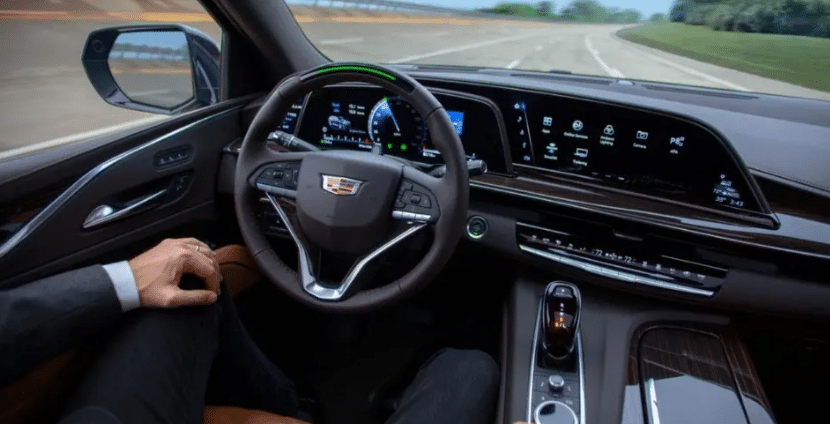
Similarly, General Motors’ SuperCruise has its set of issues. While the system has been praised for its overall performance, certain limitations have been identified. The most significant among these is the system’s inability to operate in complex urban environments, limiting its usability.
Additionally, there have been reports of SuperCruise misjudging road conditions or failing to keep the vehicle within the lane. These issues remind us that while self-driving technology holds great promise, it is still in a stage of continuous development and refinement.
Cybersecurity Threats in Self-Driving Vehicles
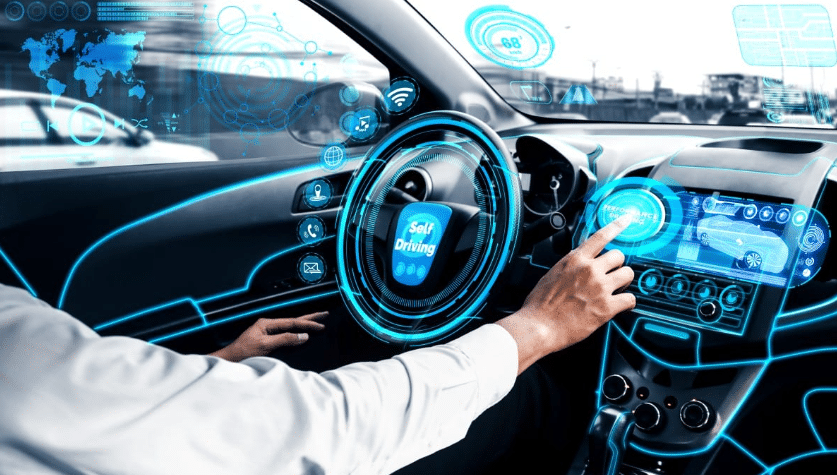
Transitioning to the realm of cybersecurity, the rise of self-driving vehicles opens a new frontier for potential cyberattacks. With vehicles becoming increasingly connected, they could be susceptible to hacking attempts, posing significant safety risks. For instance, hackers could theoretically take control of a self-driving vehicle’s steering or braking systems, leading to potentially disastrous outcomes.
Moreover, data privacy is another significant concern. Self-driving vehicles collect vast amounts of data to operate effectively. Ensuring this information is securely stored and managed is crucial, not only to protect users’ privacy but also to maintain the public’s trust in self-driving technology.
The Ethical Dilemma: Decision-Making In Critical Situations
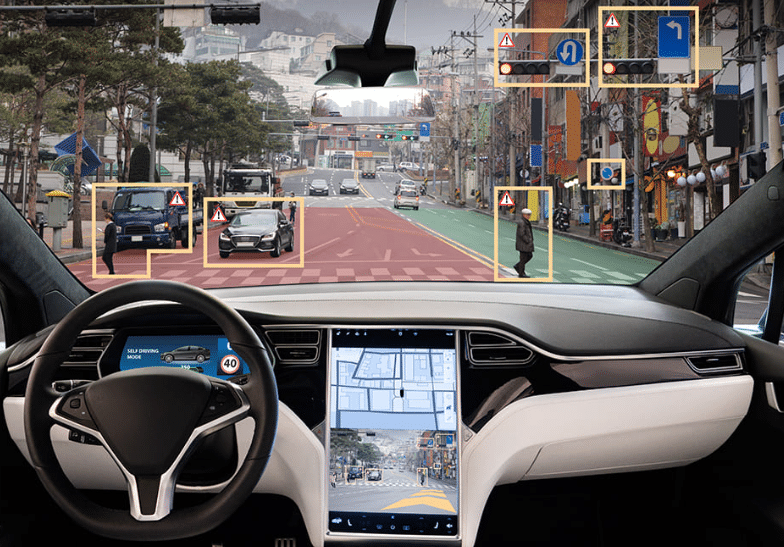
The next topic brings us into the realm of ethics. The development of self-driving vehicles has sparked a considerable debate about the moral implications of programming machines to make life-or-death decisions. In an unavoidable crash scenario, how should an autonomous vehicle be programmed to react? Should it prioritize the safety of its passengers, pedestrians, or oncoming traffic?
These are not easy questions to answer, and they highlight a significant challenge in the development and deployment of self-driving vehicles. While these scenarios might be rare, their potential consequences make them a crucial area for discussion and regulation.
Regulatory Concerns Over Self-Driving Vehicles
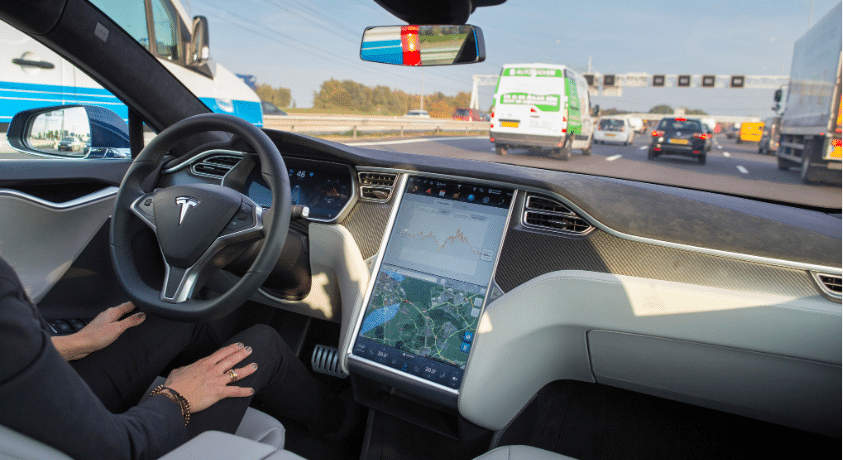
This leads to the final point – the need for comprehensive and robust regulations. As self-driving technology continues to evolve, it is essential that regulations keep pace to ensure safety and accountability. However, creating such regulations is no easy task, given the technical complexity of self-driving systems and the variety of situations they must handle.
Moreover, global consistency in regulations is another major challenge. With different countries adopting varying approaches to self-driving vehicles, achieving a uniform regulatory framework may be an uphill battle. Nevertheless, it’s a battle worth fighting, considering the potential impact of these vehicles on global transportation.
The Bottom Line
In conclusion, while self-driving vehicles offer tremendous potential for safer, more efficient transportation, it’s clear that significant challenges and dangers lie ahead. Companies like Tesla, Waymo, BlueCruise, and SuperCruise are pioneering this technology, but with their innovations come potential risks and ethical dilemmas. As you continue to navigate this exciting frontier, it is vital that you approach it with a critical eye, ensuring that safety and ethics are not compromised in the pursuit of progress. As the old saying goes, “With great power comes great responsibility,” and this couldn’t be more true for the world of self-driving vehicles.