Contents
Neglecting To Back Up Data Regularly

The importance of backing up data cannot be overstated in the realm of cyber attack preparedness. Regular backups act as a safety net, ensuring that in the event of a ransomware attack or data breach, the recovery process is possible without capitulating to the demands of cybercriminals. Ransomware, in particular, relies on the victim’s desperation to regain access to their data, but with current backups, this leverage is lost. A robust backup strategy includes not only regular intervals but also multiple formats and locations, such as cloud services and physical drives.
Despite the clear benefits, many still overlook this critical step, either due to overconfidence in their security measures or the mistaken belief that backups are a cumbersome and time-consuming process. The reality is that modern solutions have made backups both straightforward and automatic. The impact of data loss can be devastating, ranging from financial loss to irreparable damage to one’s reputation. Hence, integrating regular backups into your cybersecurity protocol is a shield against the potentially ruinous aftermath of cyber attacks.
Disregarding Mobile Device Security
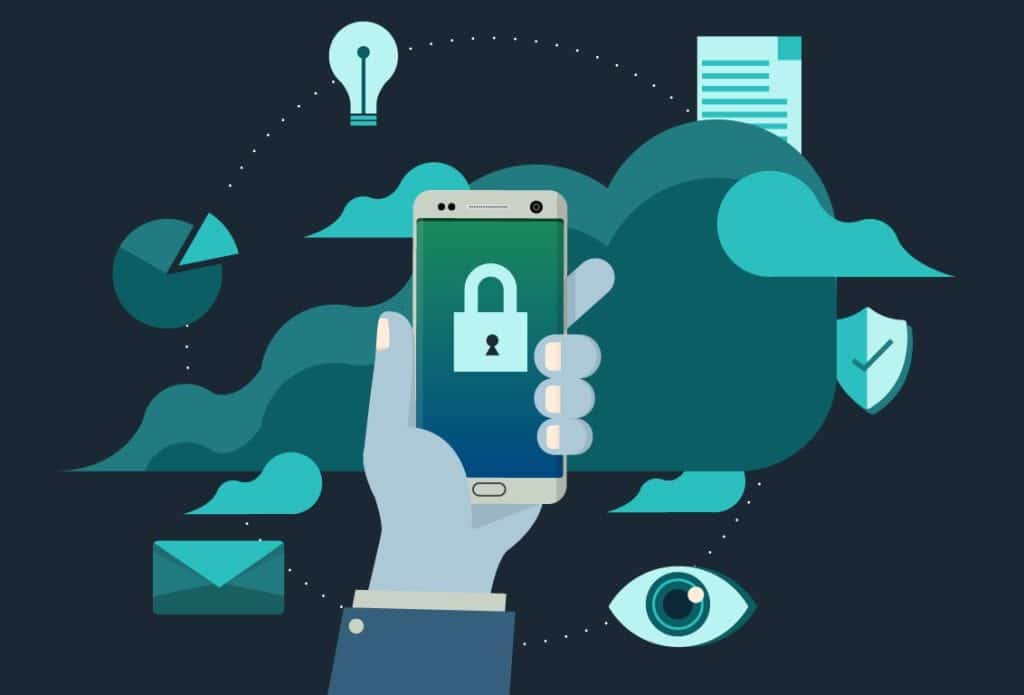
Mobile devices are often overlooked in cybersecurity plans despite being integral to personal and professional life. The misconception that these devices are inherently secure can lead to complacency, neglecting necessary precautions like installing security software or avoiding unsecured Wi-Fi for sensitive activities. Mobile devices contain vast amounts of personal and corporate data, making them prime targets for cybercriminals, and their security should be as stringent as any other device.
The risks associated with mobile devices are sometimes not fully appreciated. Users may not realize that mobile phishing attacks are as common and dangerous as desktop variants. The convenience of mobile access to company resources often overshadows the implementation of robust security measures. Strong security policies, encryption, secure connections, and regular updates are essential to mitigate the risks associated with mobile device usage.
Using Unsecured Networks For Sensitive Transactions
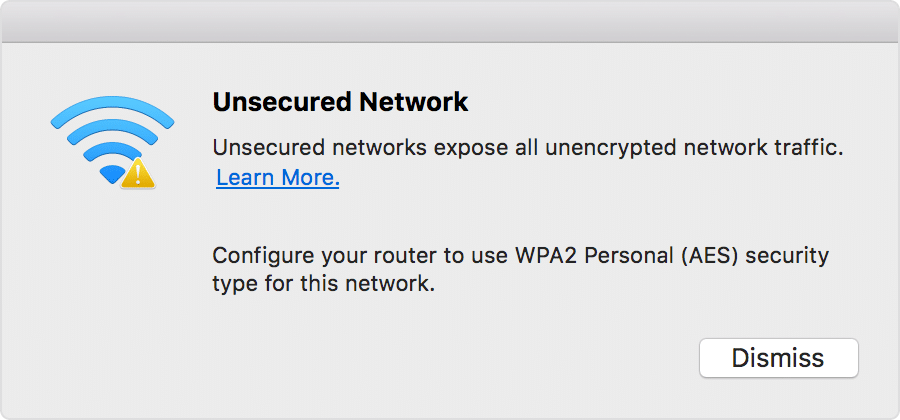
Utilizing unsecured networks for sensitive transactions is a gamble with high stakes. Public Wi-Fi networks, often unencrypted, are hotspots for data interception by cybercriminals. Conducting business or sharing personal information on these networks can lead to significant security breaches. The allure of convenience should not overshadow the critical need for secure, encrypted connections when handling sensitive data.
The ease with which data can be intercepted on unsecured networks is frequently underestimated. Users conducting transactions or accessing corporate networks remotely may inadvertently expose sensitive data to cyber threats. Alternatives like VPNs or personal hotspots offer more secure channels for remote work and should be used in favor of public Wi-Fi whenever possible. Prioritizing network security is essential in safeguarding data against unauthorized access.
Failing To Plan For Incidents

Without a personal plan for cybersecurity incidents, individuals leave themselves open to the chaos that follows a cyber attack. A structured approach to responding to personal data breaches or malware infections is crucial. It should include immediate steps to contain the damage, methods to remove the threat, and strategies to recover any compromised data. This level of preparedness can significantly reduce the stress and potential harm caused by cyber incidents.
Many individuals operate under the assumption that cyber attacks are a remote risk, best left for businesses to worry about. This mindset can lead to a lack of preparedness, which only amplifies the turmoil in the event of an attack. A personal incident response plan might involve understanding contact points for reporting fraud, steps to secure accounts, and ways to restore systems. By adopting a proactive stance, one can navigate through cyber incidents with confidence and resilience.
Take Action To Secure Your Digital Life!
In the digital age, vigilance is your greatest ally. This guide has illuminated the pitfalls that can undermine your cybersecurity efforts. Remember, proactive measures and a keen awareness of what not to do are just as crucial as any protective software. Take a moment to assess your cyber habits, implement the strategies discussed, and ensure you are not leaving yourself vulnerable to the ever-present threat of cyber attacks. Your digital safety is in your hands; secure it!