In an era where almost every aspect of life is connected to the internet, secure browsing has never been more crucial. From online shopping and banking to social networking and remote work, the web is a treasure trove of both opportunities and risks. Cyber threats like malware, phishing, and identity theft are real concerns that can have devastating consequences. This post is designed to be your comprehensive resource for understanding and implementing secure browsing practices. It will cover everything from understanding the risks involved to choosing the proper security settings and tools.
Understanding The Risks

The first step to secure browsing is understanding what you’re up against. The internet is rife with various types of threats, including malware, phishing scams, and Man-in-the-Middle attacks. Malware can infect your system, slowing it down or stealing your data. Phishing scams trick you into revealing personal information, while Man-in-the-Middle attacks intercept data between you and the websites you visit.
Understanding the risks is not just about knowing the types of threats; it’s also about recognizing the real-world consequences. Falling victim to these threats can lead to identity theft, financial loss, and even legal troubles. For instance, if your credit card information is stolen, you could find yourself in a financial mess that takes years to resolve. Moreover, unsecured networks and outdated software can serve as vulnerable entry points for these threats, making it essential to keep everything up-to-date.
Importance Of A Secure Connection
When you’re browsing the internet, the type of connection you’re using can make a significant difference in your security. HTTPS, or HyperText Transfer Protocol Secure, is the secure version of HTTP, the protocol over which data is sent between your browser and the website you’re connected to. Unlike HTTP, HTTPS encrypts the data, making it difficult for unauthorized parties to decipher it.
The benefits of using HTTPS are numerous. First and foremost, it provides an extra layer of security by encrypting the data transferred between you and the website. This encryption is crucial for keeping sensitive information like login credentials and credit card numbers safe. Additionally, HTTPS ensures data integrity, meaning the data cannot be modified or corrupted during transfer without being detected. To ensure you’re using a secure connection, always look for “https://” in the URL and check for a padlock symbol in your browser’s address bar.
Virtual Private Networks (VPNs)
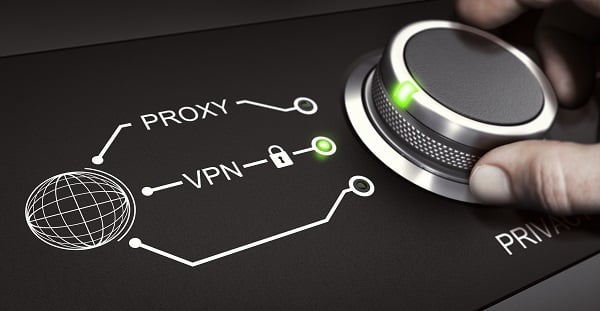
A Virtual Private Network, or VPN, is another tool that can significantly enhance your online security. Essentially, a VPN routes your internet connection through a private server, effectively hiding your IP address and encrypting all the data sent or received. This makes it much harder for anyone, from hackers to government agencies, to track your online activities.
The reasons for using a VPN go beyond just security. A VPN also allows you to maintain anonymity online, which is particularly useful if you’re concerned about privacy. Additionally, VPNs can help you access content that may be restricted in your geographical location by making it appear as though you’re browsing from a different place. When choosing a VPN service, consider factors like speed, the number of available servers, and, most importantly, the provider’s commitment to user privacy.