Contents
Spotting and Avoiding Online Scams
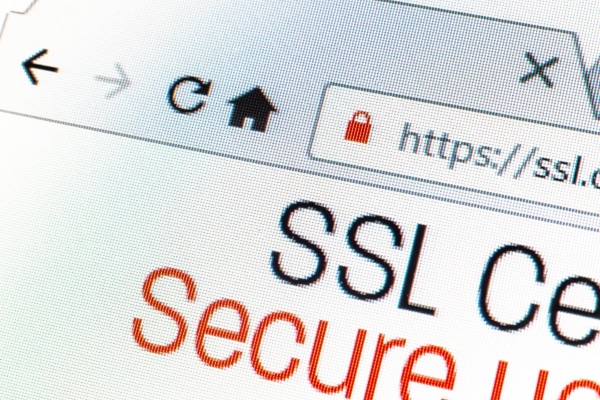
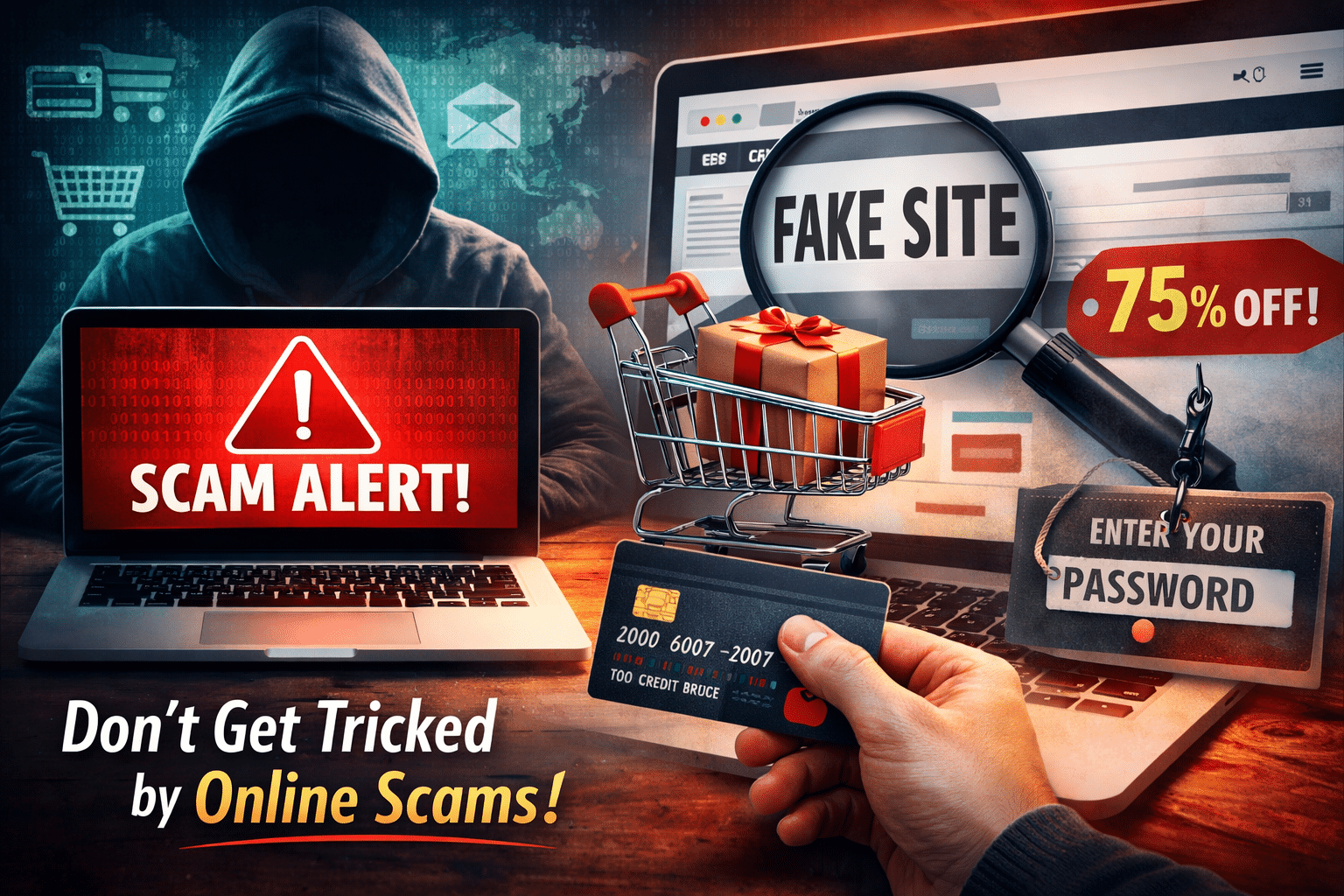
Online scams have become more sophisticated, making it difficult for shoppers to distinguish legitimate websites from fraudulent ones. One of the most effective ways to avoid falling victim to scams is by checking whether a website uses HTTPS encryption, indicated by the padlock icon in the browser’s address bar. Fraudulent e-commerce websites often mimic real online stores, using stolen images and fake customer reviews to lure unsuspecting buyers. Scammers also take advantage of social media ads, promising deep discounts to trick shoppers into entering their payment details on a fake checkout page.
To avoid scams, shoppers should verify website legitimacy by reading independent customer reviews on trusted platforms rather than relying on testimonials displayed on the site itself. If a deal seems too good to be true, it often is—deeply discounted luxury items or high-demand products sold at unusually low prices can indicate a scam. Checking for valid contact information, such as a physical address and customer support details, can help determine whether a site is legitimate. Additionally, avoiding links sent via unsolicited emails or text messages prevents users from falling into phishing traps designed to steal financial information.
Best Practices to Keep Your Bank Details Safe Online

Taking proactive steps to protect bank details can significantly reduce the risk of financial fraud. One of the most effective measures is using strong, unique passwords for each shopping site and enabling two-factor authentication (2FA) when available. Many people make the mistake of reusing the same password across multiple accounts, making it easier for hackers to gain access if one site experiences a data breach. Regularly updating passwords and using a password manager to store credentials securely can enhance online security.
Shoppers should also be cautious about saving payment details on e-commerce platforms, as stored information can be compromised in a cyberattack. Using virtual credit cards—temporary card numbers that expire after a transaction—adds an extra layer of security when shopping online. Monitoring bank statements and credit card transactions frequently allows users to detect unauthorized purchases early and report them immediately. Finally, using a secure network connection rather than public Wi-Fi when making online transactions prevents hackers from intercepting sensitive payment information.
What to Do If Your Bank Details Are Compromised

Discovering that bank details have been stolen can be alarming, but taking immediate action can help minimize financial damage. The first step is to contact the bank or credit card provider to report the fraudulent transaction and request a card freeze or replacement. Many financial institutions have fraud protection policies in place that allow customers to dispute unauthorized charges and recover lost funds. In cases where banking credentials have been compromised, updating login details and enabling additional security measures such as 2FA is crucial.
Monitoring credit reports and bank statements for further suspicious activity can help detect ongoing fraud attempts. If personal data was stolen in a data breach, consumers may consider signing up for credit monitoring services to receive alerts on unauthorized account openings. Reporting fraud to cybercrime authorities, such as the Federal Trade Commission (FTC) or local law enforcement, can also aid in preventing further damage. Taking these steps promptly can reduce the impact of financial fraud and help secure personal banking information against future threats.
Protecting Your Finances in the Digital Age
Online shopping offers unmatched convenience, but it also comes with risks that consumers must actively guard against. Cybercriminals are constantly developing new ways to steal bank details, from phishing scams to data breaches and fraudulent websites. Understanding these threats and adopting best practices—such as using strong passwords, enabling two-factor authentication, and avoiding suspicious websites—can significantly reduce the chances of falling victim to fraud. Staying vigilant and regularly monitoring financial transactions ensures early detection of unauthorized activity. By taking proactive security measures, online shoppers can enjoy the benefits of digital transactions while keeping their personal and financial information safe.