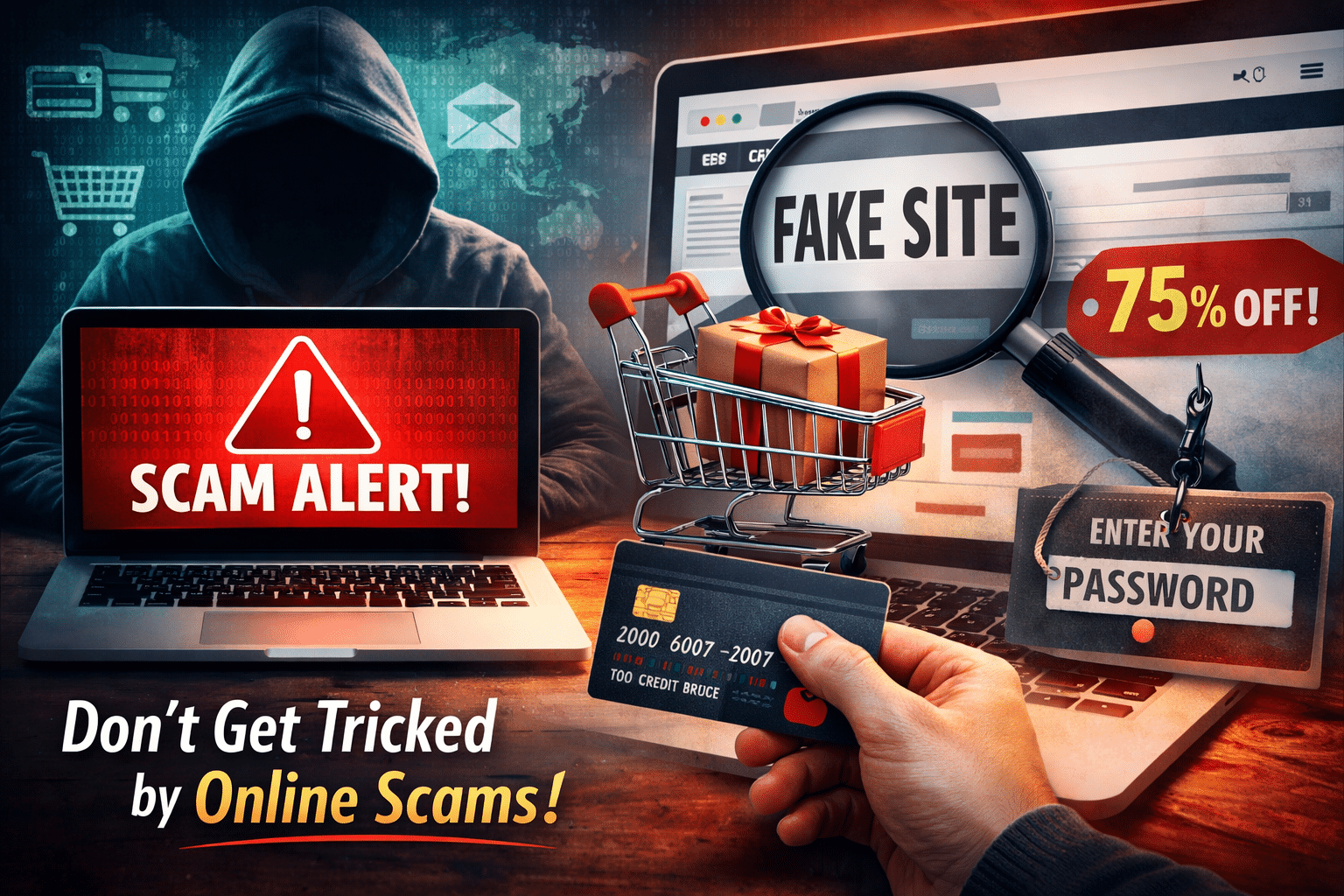
Online shopping has made purchasing products more convenient than ever, but with this convenience comes significant risks. Every transaction made on the internet exposes shoppers to potential cyber threats, including identity theft, financial fraud, and data breaches. Cybercriminals are constantly evolving their tactics to steal bank details, often using phishing scams, malware, or fake websites designed to appear legitimate. Even major retailers are not immune to hacks, putting millions of customers at risk. Understanding the most common online shopping dangers and learning how to protect bank details is crucial in an era where digital transactions dominate consumer behavior.
Online Shopping Puts Your Bank Details at Risk
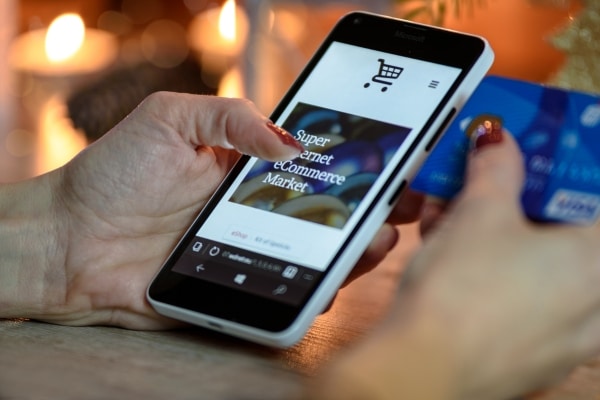
With the rise of digital commerce, cybercriminals have more opportunities than ever to exploit shoppers. Every time a purchase is made online, sensitive financial details such as credit card numbers, expiration dates, and CVV codes are transmitted across the internet. If a website lacks proper security measures, this data can be intercepted by hackers, leading to fraudulent transactions. Additionally, many consumers unknowingly expose themselves to risk by using weak passwords, saving their payment details on unsecured platforms, or shopping on public Wi-Fi networks without protection.
Several common threats make online shopping a prime target for financial fraud. Phishing scams, where fake emails or websites trick users into entering their banking details, remain a significant issue. Hackers also use malware and keyloggers—malicious software that records keystrokes—to steal login credentials and payment information. Data breaches at major retailers and e-commerce sites frequently expose customer payment details to cybercriminals who sell stolen data on the dark web. Fraudulent e-commerce websites designed to look like legitimate stores further increase the risks, tricking unsuspecting consumers into entering payment information that gets stolen instantly.
The Rise of Online Payment Fraud
Online payment fraud has been increasing at an alarming rate, affecting both individual consumers and businesses alike. In recent years, cybercriminals have developed more sophisticated techniques to exploit vulnerabilities in digital payment systems. According to fraud reports, billions of dollars are lost annually due to online shopping scams and unauthorized transactions. As more people shift to digital payments, hackers target weak security points in e-commerce platforms, payment gateways, and even mobile wallets. Many fraud attempts go undetected until it’s too late, leaving victims struggling to recover their funds.
One of the most common types of fraud is Card-Not-Present (CNP) fraud, where criminals use stolen credit card information to make online purchases. Unlike physical card fraud, where a stolen card can be reported and blocked quickly, CNP fraud is harder to trace and stop in real-time. Identity theft is another growing concern, as hackers gather personal and financial information to open fraudulent accounts or take over existing ones. Additionally, malware, trojans, and keyloggers allow cybercriminals to steal banking credentials directly from a user’s device. As technology advances, so do the methods criminals use to bypass security measures, making it essential for consumers to stay informed and cautious.
How Secure Are Popular Payment Methods?

Consumers use various payment methods when shopping online, but not all offer the same level of security. Credit cards, debit cards, digital wallets, and even cryptocurrency each come with their own risks and fraud protection measures. Credit cards generally provide better security features, such as fraud alerts and chargeback options, making them a safer choice compared to debit cards, which directly access a user’s bank account. Many banks also offer virtual credit cards—temporary card numbers that expire after use—to reduce the risk of fraud. However, these tools are only effective if consumers take additional precautions, such as enabling two-factor authentication and monitoring transactions regularly.
Digital wallets, such as PayPal, Apple Pay, and Google Pay, use encryption and tokenization to enhance security. These services do not directly share bank details with merchants, reducing the risk of data theft. Cryptocurrency transactions, while offering anonymity, are less protected in cases of fraud, as they are irreversible. The increasing popularity of Buy Now, Pay Later (BNPL) services also introduces security concerns, as third-party providers may not have the same fraud prevention measures as traditional banks. Understanding the strengths and weaknesses of each payment method can help shoppers make safer financial decisions when purchasing online.