App Availability and Quality

Regarding app availability and quality, Android, and iOS boast extensive app libraries catering to virtually every user’s needs. The Google Play and Apple App Store are teeming with millions of apps, from productivity tools and games to lifestyle and education applications. However, iOS often gets the upper hand regarding app quality and exclusivity. Developers prioritize iOS due to its lucrative user base, leading to many apps and games being released on the App Store first.
Furthermore, Apple’s stringent app review process ensures higher quality and security standards. While Android offers a broader range of apps, including those that allow for more customization and control over the device, it sometimes faces challenges with app consistency and security.
Performance and Hardware

Performance is a key consideration for users, and both Android and iOS offer devices that cater to a wide range of performance needs. iOS devices, particularly the latest iPhone models, are renowned for their fast processors and optimization, providing a smooth and efficient user experience. Apple’s hardware and software integration ensures that iOS runs seamlessly, maximizing the performance of their devices. On the other hand, Android devices come in a wider variety of hardware configurations, offering high-end options for power users and more affordable models for those on a budget. High-end Android smartphones boast powerful processors and large amounts of RAM, rivaling the performance of top-tier iOS devices.
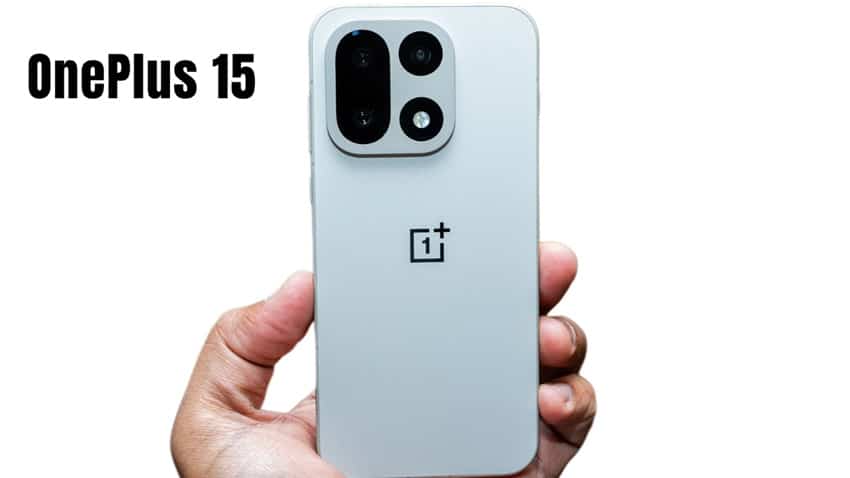
However, the diversity in Android hardware can also lead to variability in performance across different devices. With manufacturers like Samsung, Google, and OnePlus, Android users can choose a device that fits their performance needs and budget constraints. This variety ensures an Android device for every user, from those seeking the ultimate gaming experience to individuals needing a reliable smartphone for everyday use.
Battery Life and Charging

Battery life is a crucial aspect of the user experience, affecting how long a device can be used before recharging. Android devices typically offer a range of battery life options, with some models featuring large batteries that can last more than a day on a single charge. Android’s open platform also allows more aggressive battery management apps and settings to extend battery life further. In contrast, iOS devices are optimized for efficiency, with Apple’s software optimizations working to prolong battery life even on devices with smaller batteries.
Furthermore, both platforms have embraced fast and wireless charging technologies, although the availability and speed of these features can vary significantly between Android manufacturers and iPhone models. Ultimately, the choice between Android and iOS may come down to specific needs for battery life and charging preferences, with both platforms offering compelling options.
Cost-effectiveness and Value

When evaluating the cost-effectiveness and value of Android and iOS devices, it’s essential to consider the initial purchase price and the overall value over the device’s lifespan. Android offers various devices at various prices, from budget-friendly models to premium smartphones. This variety enables users to find a device that fits their budget without compromising essential features. On the other hand, iOS devices, particularly iPhones, are generally priced higher, reflecting Apple’s premium branding and the high-quality materials used in their construction.
However, iPhones often maintain their value better over time, offering higher resale values and longer support in terms of software updates. This longevity can make iOS devices a more cost-effective choice in the long run for users who prioritize device lifespan and support over initial cost savings.
The Bottom Line
Choosing between Android and iOS involves weighing various factors, from ecosystem integration and customization capabilities to security, app availability, and cost-effectiveness. Android offers unparalleled flexibility and a wide range of device options, appealing to users who prioritize customization and variety. In contrast, iOS provides a cohesive, user-friendly experience with timely updates and a focus on security and privacy, suited for users seeking simplicity and reliability. Ultimately, the decision hinges on individual preferences, requirements, and lifestyle.