In today’s rapidly evolving smartphone market, choosing between Google Pixel and Samsung Galaxy can feel like navigating a labyrinth of endless specs and features. Each brand boasts its unique strengths, from software and camera capabilities to design and overall value. This post dives deep into the intricacies of both, aiming to arm you with the knowledge to make an informed decision that aligns with your preferences and needs. By comparing the software ecosystem, camera quality, hardware performance, and design and build quality, you’ll gain clarity on which smartphone ecosystem might suit you best, ensuring your next phone is not just a device but a companion tailored to your lifestyle.
Contents
Understanding the Software Ecosystem
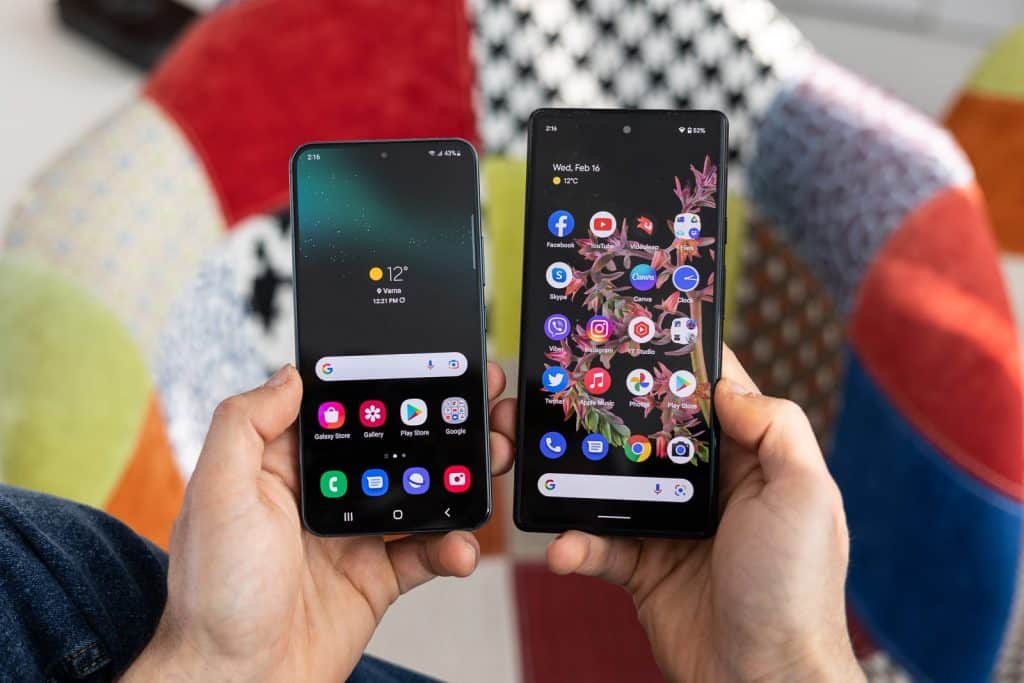
Google Pixel devices offer a pure Android experience, which means users receive software updates and security patches as soon as Google releases them. This immediacy ensures Pixel users are always at the forefront of Android features and security, providing a clean, bloatware-free interface that is both fast and user-friendly. The minimalistic approach to software design emphasizes functionality and efficiency, appealing to users who value a straightforward, no-frills experience.
On the other hand, Samsung Galaxy smartphones come with the One UI overlay atop Android, offering a customized experience filled with additional features, apps, and personalization options not found in stock Android. Samsung has made significant strides in reducing bloatware and enhancing the intuitiveness of its interface, making One UI one of the most user-friendly custom skins available. Despite a slightly delayed update timeline compared to Google, Samsung’s commitment to improving its software update process means users still enjoy timely access to new Android features and security improvements.
Camera Capabilities: A Deep Dive
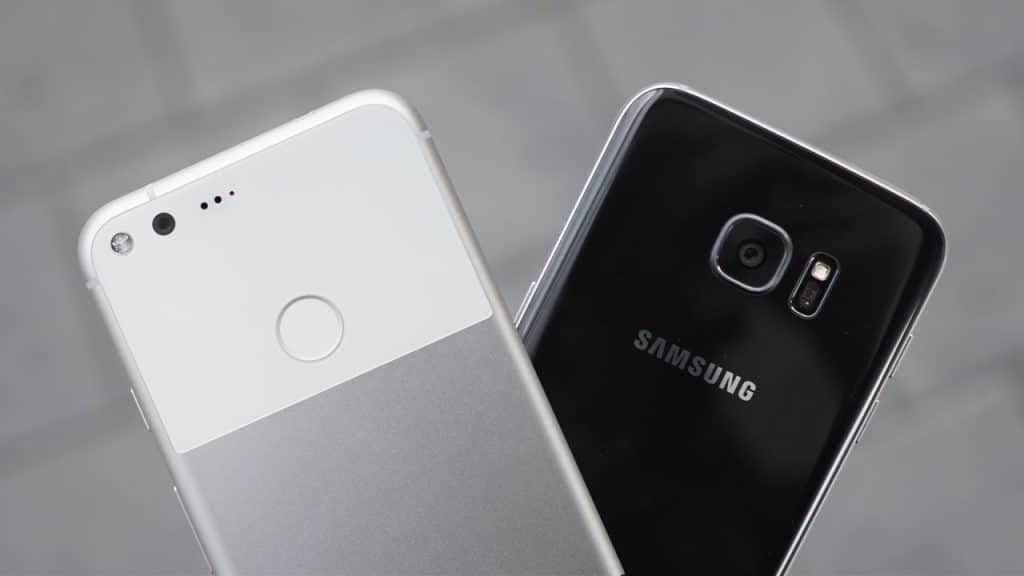
Google Pixel phones have set a high bar for mobile photography, primarily through their reliance on computational photography. This technique allows Pixels to capture stunning images, especially in low light conditions, without necessarily having the most advanced hardware. Google’s software algorithms optimize each shot, ensuring that even with a single lens, Pixel phones can outperform competitors in various scenarios. The emphasis on software rather than hardware for image quality makes Pixels ideal for photography enthusiasts who value the ability to capture professional-grade photos without carrying multiple lenses.
Samsung Galaxy devices, conversely, offer a hardware-centric approach to photography. With a suite of lenses on most flagship models, including wide, ultra-wide, and telephoto, Samsung provides users with the versatility to shoot in almost any situation. The Galaxy line’s camera software is equally robust, featuring a wide array of modes and settings to tweak images and videos to the user’s content. For those who prefer having a variety of photographic tools at their disposal, Samsung’s approach offers a compelling package that encourages creative exploration.
Hardware and Performance Analysis

The Google Pixel series may not always feature the cutting-edge hardware found in some competitors. Still, Google’s optimization of its software with the available hardware ensures that Pixel phones offer smooth and responsive performance. Whether it’s daily tasks or more intensive applications, Pixels are designed to handle users’ needs efficiently. This balance between hardware and software optimization means that Pixel devices provide a consistently reliable experience, even if they might not lead in raw specs.
Samsung Galaxy smartphones, particularly the S and Note series, are often at the forefront of mobile technology, boasting some of the most powerful hardware specifications in the market. This focus on high-performance components ensures that Galaxy devices offer exceptional speed and responsiveness, capable of handling multitasking, gaming, and high-resolution video playback with ease. For tech enthusiasts and power users who prioritize performance above all else, Samsung’s flagship offerings present an enticing choice.
Design and Build Quality Considerations
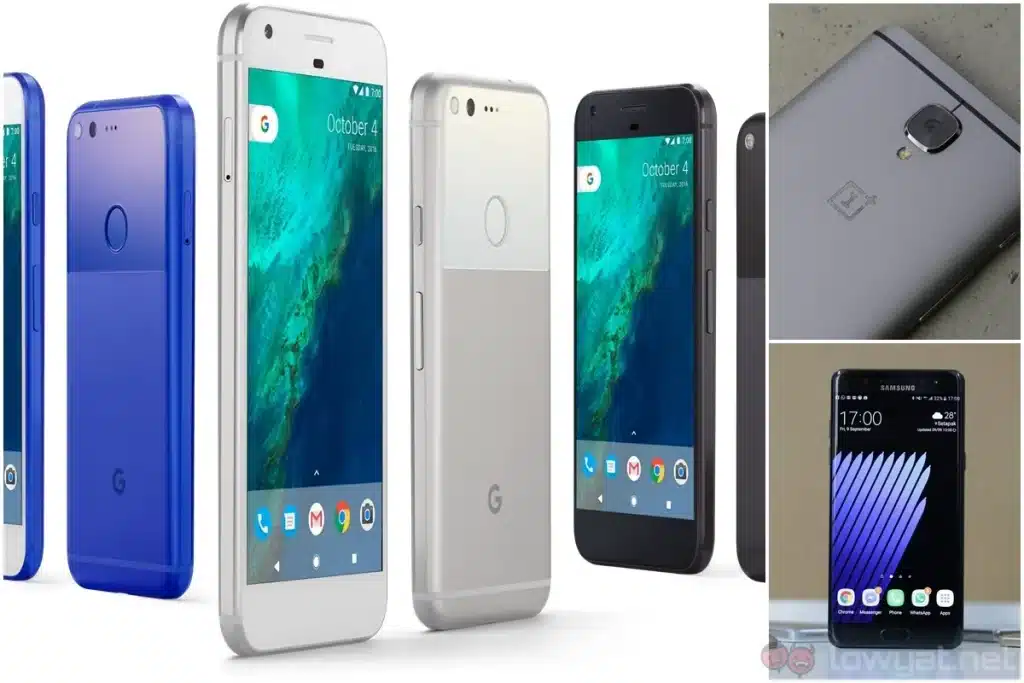
Google Pixel phones are known for their distinctive design, which often combines practicality with a touch of elegance. From the contrasting colors of the Pixel 2 to the refined glass and metal construction of later models, Pixels stand out in a sea of smartphones. Beyond aesthetics, Google places a high emphasis on build quality and durability, ensuring that Pixel phones not only look good but are also built to last. This commitment to design and quality appeals to users looking for a device that balances form with function.
Samsung Galaxy smartphones push the boundaries of design and build quality, featuring sleek glass bodies, curved displays, and metal frames that exude premium craftsmanship. The incorporation of water and dust resistance across many Galaxy models further enhances their appeal, offering users peace of mind in addition to style. Samsung’s design philosophy often leads to devices that are not only visually striking but also comfortable to hold and use, making them a favorite among users who prioritize both aesthetics and ergonomics in their smartphone choice.
Pricing and Value for Money

Google Pixel smartphones are often praised for their competitive pricing, especially within the mid-range market via the A-series. These devices balance cost with performance, offering many of the flagship features at a more accessible price point. The approach allows users who prioritize software updates, camera quality, and a clean Android experience to access these benefits without the premium price tag typically associated with high-end smartphones. Consequently, Pixel phones are frequently seen as offering excellent value for money, making them an attractive option for budget-conscious consumers who do not wish to compromise on quality.
In contrast, Samsung Galaxy devices span a broad spectrum of price points, from entry-level models to high-end flagships. This range ensures that there’s a Galaxy phone for every budget, but it also means that the top-tier models come with a premium price. Samsung’s flagship phones incorporate cutting-edge technology and features, justifying their higher cost for users who demand the best performance, display, and camera capabilities. For those who are willing to invest in the higher-end market, Samsung offers devices that are both powerful and feature-rich, reflecting their value in advanced technology and versatility.
Ecosystem and Compatibility
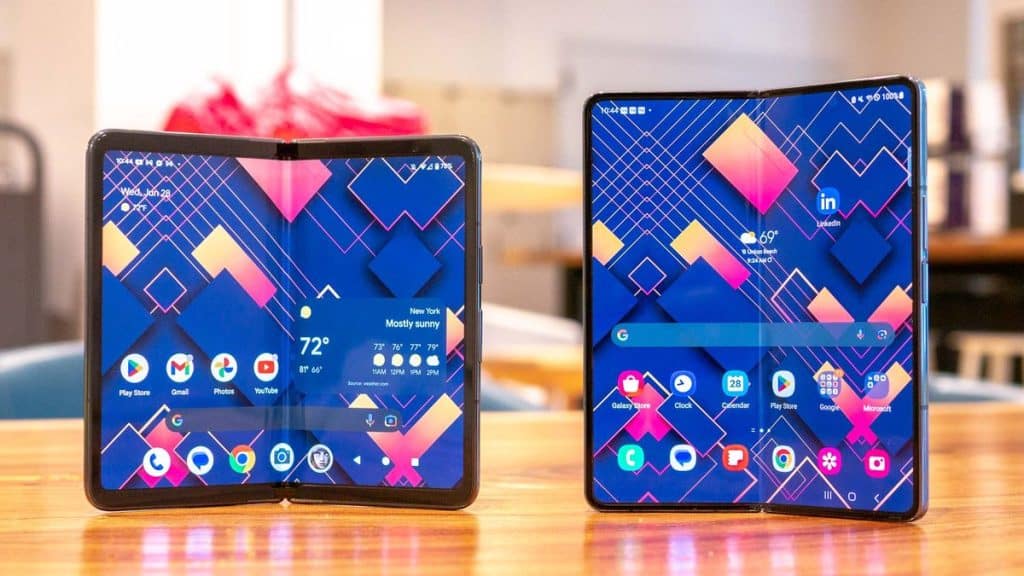
The Google Pixel line benefits significantly from its seamless integration with Google’s ecosystem, including services like Google Assistant, Google Photos, and Google Drive. This integration enhances the user experience, providing a cohesive and interconnected digital life. For users deeply embedded in Google’s ecosystem, a Pixel phone extends the functionality of these services, offering features like screen calls and live captions that leverage Google’s AI capabilities. The result is a smartphone experience that is not only about the hardware but also about how the device works within the broader context of a user’s digital life, making Pixel phones particularly appealing to those who rely heavily on Google services.
Samsung Galaxy smartphones excel in creating a unified ecosystem, particularly for users who own other Samsung devices, such as tablets, laptops, and smartwatches. The connectivity between devices, facilitated by Samsung’s One UI and services like Samsung Health, Samsung DeX, and SmartThings, provides a smooth and integrated user experience. For consumers invested in the Samsung ecosystem, this inter-device harmony enhances productivity and convenience, allowing for features like easy file transfers, synchronized notifications, and a unified interface across devices. Samsung’s commitment to creating an interconnected ecosystem makes its smartphones an attractive option for users looking for a comprehensive and cohesive tech experience.
Making the Choice: Personal Needs and Preferences
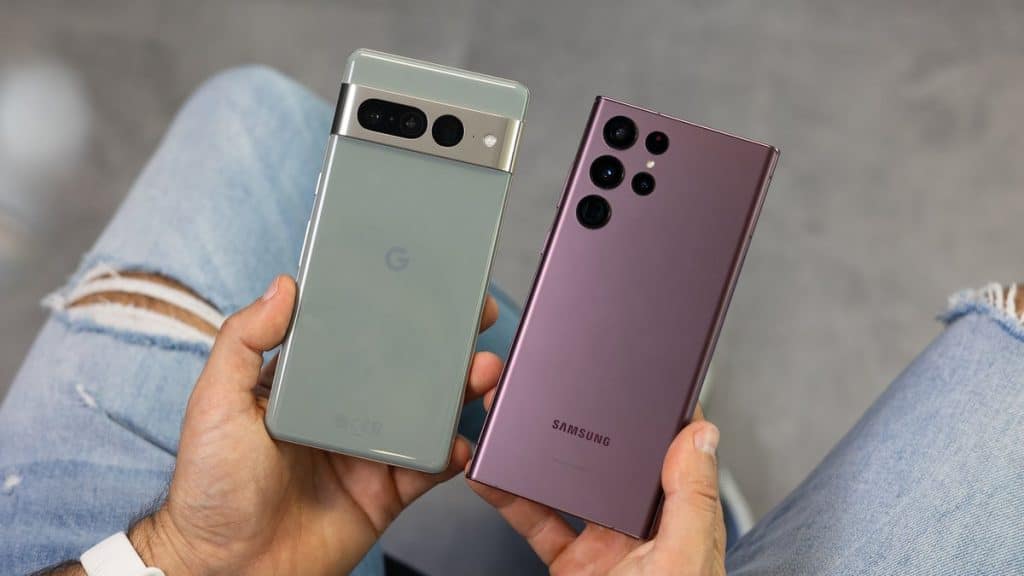
When considering a new smartphone, it’s crucial to reflect on what features matter most to you. Do you value a clean and straightforward software experience with timely updates, or do you prefer a device with a broad range of features and customization options? Google Pixel phones appeal to users who prioritize software purity and photography, offering a streamlined experience that focuses on performance and camera quality. On the other hand, Samsung Galaxy devices are suited to those who seek versatility and a wide selection of features, from the expansive hardware options to the comprehensive Samsung ecosystem.
Another essential factor to consider is how the device fits into your lifestyle. Are you a tech enthusiast who craves the latest advancements, or are you looking for a reliable smartphone that covers the basics? Your budget also plays a significant role in the decision-making process. Google’s Pixel line, with its range of price points, makes cutting-edge technology accessible without breaking the bank. Meanwhile, Samsung’s diverse portfolio, including its premium flagships, caters to users looking for the pinnacle of smartphone technology, regardless of cost. Ultimately, choosing between a Google Pixel and a Samsung Galaxy comes down to a balance of personal preferences, lifestyle needs, and budget constraints.
Unlock Your Best Mobile Experience
Deciding between a Google Pixel and a Samsung Galaxy boils down to understanding your personal needs, preferences, and the unique value each device brings to your life. With the insights provided, you’re better equipped to navigate this choice, ensuring that your next smartphone enhances your digital experience in ways that matter most to you. Dive into the world of smartphones with confidence, and select the companion that promises to meet your expectations and elevate your daily tech journey.