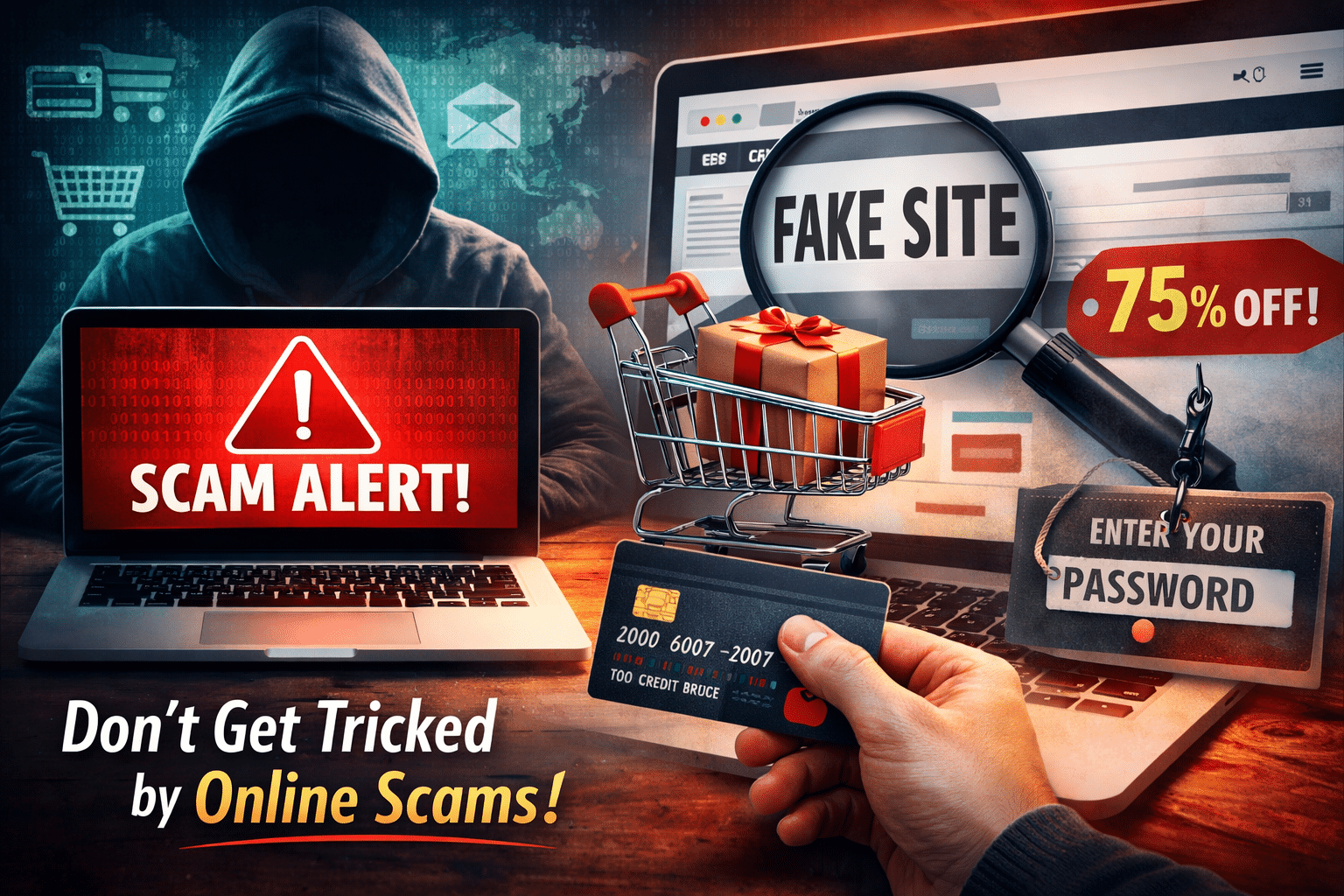
In today’s increasingly digital age, online security has become not only important but indispensable. Whether you are shopping online, engaging on social media, or even conducting business transactions, your personal and financial information is constantly being transmitted over the internet. Cyber threats, however, have evolved alongside these digital advancements, posing significant risks to your online security. This post will provide you with an in-depth understanding of online threats and guide you through practical ways to bolster your online security.
Contents
What You Need To Know About Online Threats

Online threats, or cyber threats, are potential dangers that can compromise the security of your online activities and personal information. They come in many forms, including phishing scams, malware attacks, and data breaches, each uniquely crafted to steal sensitive data or disrupt digital life. Understanding these threats is the first step toward safeguarding your online presence.
Phishing scams trick individuals into revealing sensitive data, such as usernames and passwords, by impersonating a trustworthy entity. Malware, which includes viruses, worms, and ransomware, is malicious software designed to damage or unauthorized access to a computer system. Data breaches occur when confidential data is accessed or stolen from a system without authorization. Knowing how these threats work enables you to build robust defenses against them.
Importance Of Strong Passwords

Your passwords serve as the first line of defense against cyber-attacks. Yet, many people underestimate the importance of strong passwords, often opting for ones that are easy to remember but equally easy for hackers to guess. Using weak or repetitive passwords across multiple platforms puts your online security at risk.
To enhance your password security, consider incorporating a mix of uppercase and lowercase letters, numbers, and special characters. Avoid using easily guessable information such as birthdays, names, or common words. Also, consider using a password manager, which can generate and store complex passwords for you. Change your passwords regularly and refrain from using the same password for multiple accounts.
Utilizing Two-Factor Authentication
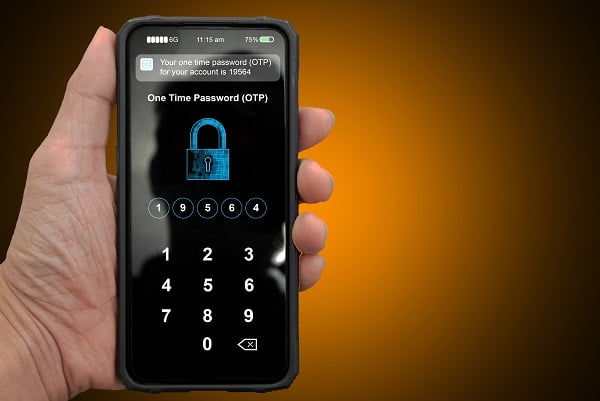
Two-factor authentication (2FA) adds an extra layer of security to your online accounts. It requires two types of information before granting access: something you know (like a password) and something you have (like your phone). This means that even if someone knows your password, they would still need the second ‘factor’ to access your account.
Most online platforms offer 2FA as an option in their security settings. It may take the form of a text message containing a unique code sent to your phone or an authentication app that generates a time-sensitive code. Implementing 2FA can significantly decrease the likelihood of unauthorized access to your accounts.
Safe Web Browsing Practices

Secure web browsing is a crucial aspect of maintaining your online security. Understanding the difference between HTTP and HTTPS can help ensure your data is being transmitted securely. HTTPS, denoted by the lock symbol in the address bar, encrypts the data between your browser and the website, protecting it from being intercepted by hackers.
Virtual Private Networks, or VPNs, can also enhance secure browsing. A VPN encrypts your internet connection, making your online activities private and preventing third parties from tracking your activities or stealing your information. They are especially useful when using public Wi-Fi networks, which are often less secure.
Phishing Attacks And How To Avoid Them
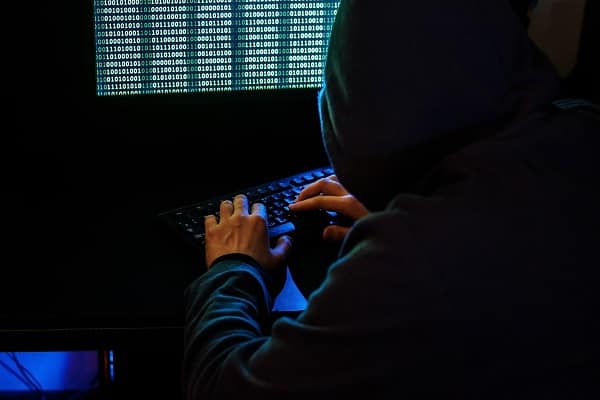
Phishing attacks are a common online threat where cybercriminals impersonate a legitimate organization to trick individuals into disclosing sensitive information. Typically, these attacks arrive in the form of deceptive emails or text messages that seem urgent or alarming. They may ask for personal information, prompt you to click on a suspicious link, or download an attachment.
To avoid falling victim to phishing attacks, always verify the source of communication before clicking on any links or sharing personal information. Be wary of communications that solicit immediate action or ask for your personal information. Also, remember that reputable companies typically don’t ask for sensitive data via email or text. You can also install anti-phishing tools offered by the most popular browsers to further protect yourself.