Second Screen Features Add a New Layer

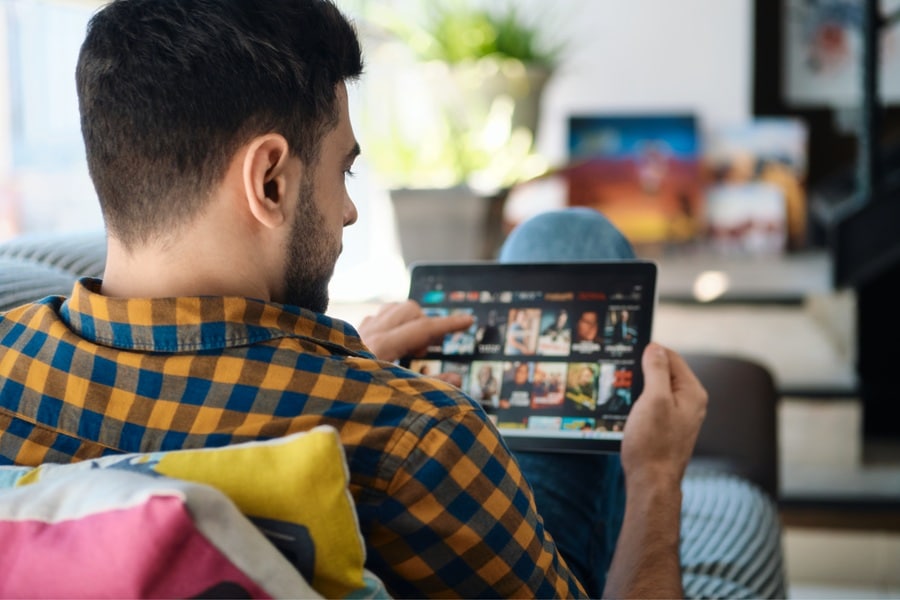
Second screen technology allows you to sync your smartphone or tablet with your TV for added functionality while you watch. Whether it’s live sports stats, actor bios, or social media feeds related to the show, the second screen creates a more immersive experience. It can also be used to cast content directly from your phone or control the TV remotely without interrupting what’s playing. These features turn passive viewing into an interactive activity.
Some apps are specifically designed to work with second screen functions, offering extras like behind-the-scenes footage or live polls. This added layer of content gives viewers more control and deeper engagement with what they’re watching. It’s especially popular for events like awards shows, reality competitions, or sports broadcasts. Second screen features blur the line between traditional TV and digital interaction, making the whole experience feel richer and more connected.
Gesture and Motion Controls Offer a Glimpse into the Future

Gesture and motion control are still new but already showing signs of how TVs will work in the years to come. Some models let you wave your hand to change the channel or raise your arm to adjust the volume, removing the need for any remote at all. This type of control feels futuristic and can be useful when voice commands aren’t ideal—like in a noisy room. It also adds an element of fun and novelty to everyday viewing.
This technology is already used in gaming systems and is gradually making its way into mainstream televisions. Over time, it’s likely to become more accurate, responsive, and widely available. As gesture control improves, it could be paired with facial recognition or even augmented reality to offer new types of interaction. While it’s not yet standard in every home, gesture-based control signals where the future of television is headed—touch-free, intuitive, and highly interactive.
The Future of TV Is Already Here
The way people watch TV is evolving fast, and these features are only the beginning of a more immersive, convenient, and interactive experience. As technology continues to advance, televisions are becoming smarter, more connected, and deeply personalized to fit individual needs. Whether you’re streaming, speaking commands, or waving your hand to control what’s on screen, the future of television is all about putting you in control. It’s not just about watching anymore—it’s about engaging with every frame in a whole new way.