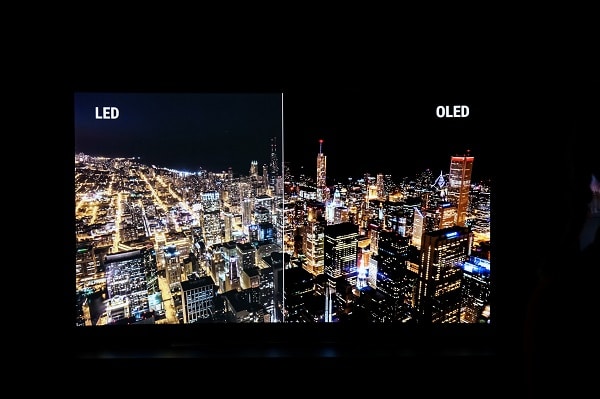
High Dynamic Range (HDR) Brings Content to Life

High Dynamic Range, or HDR, works behind the scenes to make every image on your screen more vibrant and real. It enhances the range between light and dark, allowing you to see more detail in shadows and highlights. Bright skies look natural without being washed out, and dark scenes don’t lose important visual cues. This makes everything from nature documentaries to fast-paced action films more immersive.
There are different types of HDR, like HDR10 and Dolby Vision, but they all aim to improve clarity and color. Most streaming platforms now support HDR content, so the benefits are easy to access without needing extra effort. Once you start watching in HDR, going back to standard display feels flat and dull. The difference is subtle at first, but soon, it becomes something you’ll always look for in a new TV.
Built-In Streaming Apps for Seamless Entertainment

Today’s Smart TVs come with streaming apps already installed, so you don’t need a separate device to access your favorite shows. Platforms like Netflix, Hulu, Disney+, and YouTube are available directly from the home screen, letting you jump into content instantly. This setup reduces clutter around the TV and simplifies your overall experience. Instead of juggling remotes and HDMI inputs, everything is right where you need it.
Software updates often expand what your TV can do, adding new apps or improving performance over time. Some TVs even let you customize your interface, putting your most-watched apps front and center. The convenience goes beyond just watching—it makes switching between services feel smooth and effortless. With everything built in, your television becomes the complete hub for all your entertainment needs.
Hands-Free Control with Voice Assistants

Voice assistants have changed the way people interact with their TVs, making traditional remotes feel outdated. With built-in options like Alexa, Google Assistant, or Siri, you can search for shows, adjust the volume, or even turn the TV off—all by speaking. This hands-free control is fast, intuitive, and especially helpful for those who may have trouble using standard remotes. It’s also convenient when you’re busy cooking, cleaning, or simply don’t want to move from the couch.
These voice features also go beyond TV controls, letting you check the weather, control smart home devices, or set reminders. Many systems can recognize different users and tailor responses based on their preferences. This adds another level of personalization to the viewing experience, making the TV feel more like a responsive assistant than just a screen. As voice technology improves, the interaction becomes more natural and seamless with each generation.