Contents
Myth 4 – iPhones Are Bad for Your Health
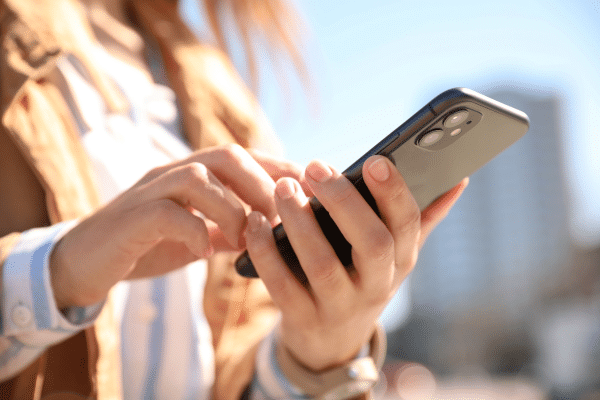
Concerns about the health implications of using smartphones are not uncommon, and iPhones are often at the center of such discussions. However, iPhones are designed with safety in mind. Apple ensures that all its devices comply with global radiation standards and often feature lower SAR (specific absorption rate) values compared to other smartphones.
Moreover, Apple provides numerous health-oriented features, such as the Health app, which helps users monitor their well-being, proving its dedication to users’ health and safety.
Myth 5 – iPhones Lack Compatibility with Non-Apple Products
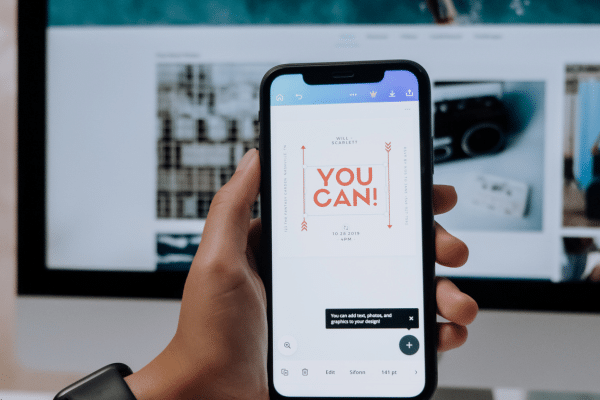
It’s widely believed that iPhones function best within the confines of Apple’s ecosystem. While Apple products are indeed optimized to work seamlessly with each other, recent developments have seen improvements in cross-platform compatibility. For example, Apple has expanded iCloud services to Windows and has made its music and TV services available on non-Apple devices.
This move towards openness not only enhances user convenience but also signifies a shift towards more inclusive technology practices, ensuring that users can enjoy Apple’s innovations regardless of their device preferences.
Myth 6 – iPhones Are Not Secure

Security is a paramount concern for all smartphone users, and the myth that iPhones are less secure persists. However, Apple places a high emphasis on security and privacy, as evidenced by its end-to-end encryption of data on iMessage and FaceTime, as well as strict privacy policies that limit data sharing with third parties.
Apple’s approach to security is holistic, encompassing hardware and software to protect user information. This robust security framework supports the ethical handling of personal data, aligning with the values of privacy-conscious users who prioritize integrity and confidentiality.
Myth 7 – iPhones Are Difficult to Repair

Finally, the notion that iPhones are difficult to repair contributes to the perception of planned obsolescence. However, Apple has taken steps to address this by expanding its Independent Repair Provider program, which certifies third-party repair shops to offer genuine parts, tools, and training. This initiative not only extends the life of iPhones but also supports a more sustainable consumption model by discouraging waste.
The availability of more repair options enhances user autonomy and supports a circular economy, promoting sustainability.
Embracing the Truth – A Clearer Picture of iPhone Use
By debunking these common myths, this article aims to provide a clearer perspective on the use of iPhones. Understanding the true environmental, economic, and technological impact of our choices allows us to make more informed decisions. As technology continues to evolve, staying informed is essential.