Light Field Display Holograms
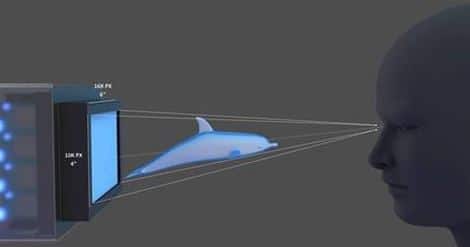
If, as a child, you have been to museums, then you must be familiar with these kinds of holograms. But with time, these too have evolved and become more and more advanced and innovative. Now scientists have created machines like the Holo player, which use LCD screen advancements giving 32 different views of an image to predetermined directions at equal time frames. This activity gives rise to light, which creates a scene of similar physical volume to the real one. When paired with a depth-sensing camera, the viewer can interact with the holographic image, just like they can interact with their touch screens or even a real object.
Holograms- Fan type
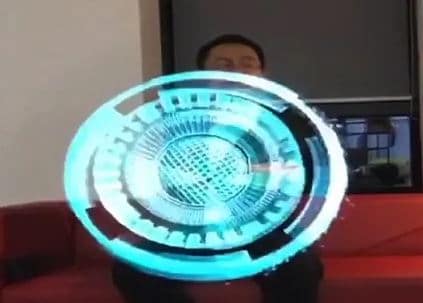
While visiting a theme park or at a huge event, you may have seen the prototype of this technology. These types of hologram can switch colors in milliseconds. The illusion occurs from RGB lights that merge with small propellers. These can create an image with a 3d effect when spun at accurate and monitored speeds. The Hypervsn Wall, a revolutionary new technology, has taken this technique to a new level. It has successfully created full 3D holographic HD images, which are over three meters tall and give an impression as if floating in thin air. The most incredible thing about this was that they had only used 65 watts of electric power.
The 3D Volumetric Technology
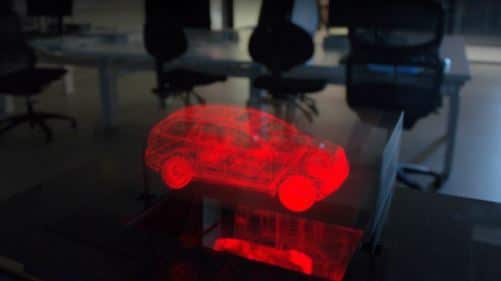
In all of the modern-day Holographic Technologies, this is probably the coolest. The volumetric holograms use the highly optimized volume supplying engine, and ultra-high-speed digital light engine projects nearly half a billion light points every second to a volumetric space. On a high- speed reciprocating screen, hundreds of an image’s cross-section project in a synchronized manner. When these light photons hit this screen, they get diffused and, as a result, create a cross-sectional physical image in the physical space at the correct place. Our eyes are tricked when seeing this optical illusion where all the layers blend into one 3D image in real-time. There is no need to wear any special 3D glasses for this, making it unique and exciting.
Conclusion
In the future, we are bound to see more holograms in our daily lives. It will be interesting to see the development of holographic technology and augmented reality and what businesses will adopt these types of technology. The holographic displays listed above are only a few of what this industry has to offer. The best way to create holograms is still to be determined, but hopefully, soon, consumers can have this technology in their homes.